If you want to see a more traditional side of the city, this Old Dubai guide to Al Fahidi, Al Seef, and Dubai Creek walks you through the areas that show what Dubai looked like before the skyline, mega-malls, and record-breaking attractions. This part of the city feels more lived-in, more local, and much slower-paced—and it’s one of the easiest ways to add balance to a Dubai itinerary.
These neighborhoods all sit along or near the creek, which means you can explore them together without overplanning. You’ll walk historic lanes, browse busy markets, and move between areas the same way locals still do today.
The Al Fahidi Historical Neighborhood is one of the best places to understand what Dubai looked like before modern development took over. The area is made up of restored traditional wind-tower houses, known locally as barjeel houses, which were designed to naturally cool homes long before air conditioning existed.
Walking through the narrow lanes feels like stepping back in time. Everything is sand-colored and understated, with quiet courtyards, art spaces, small museums, cafés, and local shops tucked throughout. It’s calm, walkable, and easy to explore at your own pace.
If you’re driving, there’s underground parking nearby, which makes visiting much easier than trying to find street parking in the surrounding area. I highly recommend starting here early in the morning. It’s quieter, easier to park, and much better for photos. Later in the day—especially after work hours or on weekends—this area gets busy as locals come to shop, meet friends, and hang out. The energy is great, but the crowds are noticeable.
One of the best ways to continue from here is by walking toward the creek and heading to the nearby abra station. It’s a natural transition that connects history with everyday life in the city.
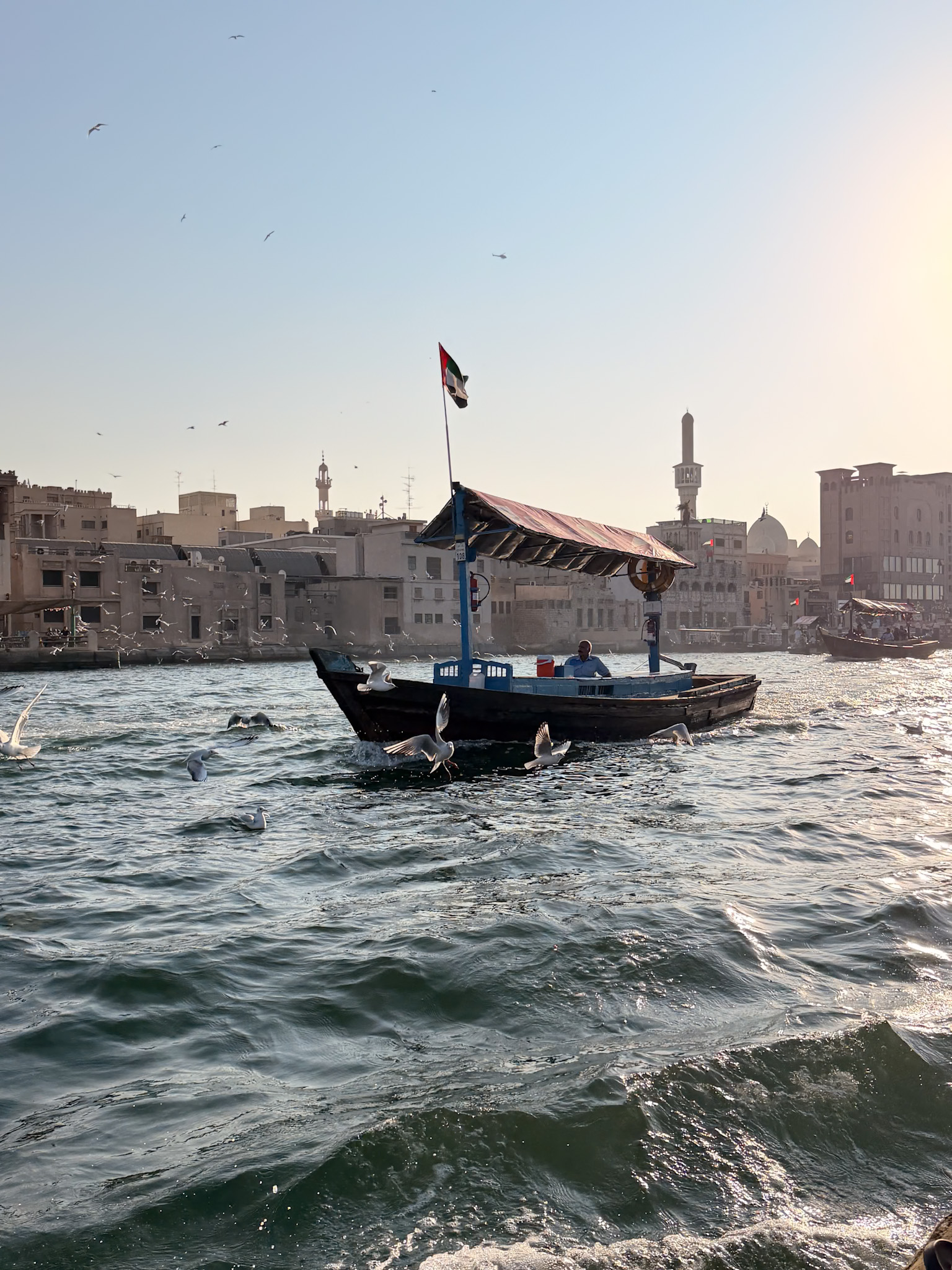
Dubai Creek is the backbone of old Dubai and one of the most important historic areas in the city. Long before luxury hotels and artificial islands, this waterway was where trade, fishing, and transportation happened—and it’s still active today.
Taking an abra across Dubai Creek is one of the simplest and most authentic experiences you can have in this part of the city. These small wooden boats have been used for decades to ferry people back and forth, and they’re still a daily form of transportation for locals.
The ride is quick, inexpensive, and gives you a very different perspective compared to modern Dubai. You’re moving through the city at water level, watching daily life unfold on both sides of the creek. It’s practical, efficient, and surprisingly memorable.
If you want all the exact details—where to catch it, parking tips, and the best times to go—see my full guide to Abra Ride on Dubai Creek: Everything You Need to Know.
Al Seef is a waterfront area along Dubai Creek that blends traditional-style architecture with modern cafés, shops, and restaurants. It’s designed to feel like a restored historic district, with wind towers, narrow walkways, and weathered textures—while still being clean, organized, and very visitor-friendly.
This is a great place to wander without a strict plan. You’ll find souvenir shops, clothing stores, traditional items (including affordable abayas and dresses), and plenty of cafés and casual restaurants. It’s especially nice if you want to slow down after sightseeing or pair it with Al Fahidi or an abra ride.
Al Seef gets busier in the evenings and on weekends when locals come out to shop, eat, and socialize. That energy can be fun, but if you want fewer people and better photos, earlier in the day is the way to go. At night, the area lights up beautifully and feels very atmospheric along the creek.
If you want to stay nearby, searching for hotels near Dubai Creek makes it easy to compare locations that keep you close to all of these areas without long drives. You can find hotels here.
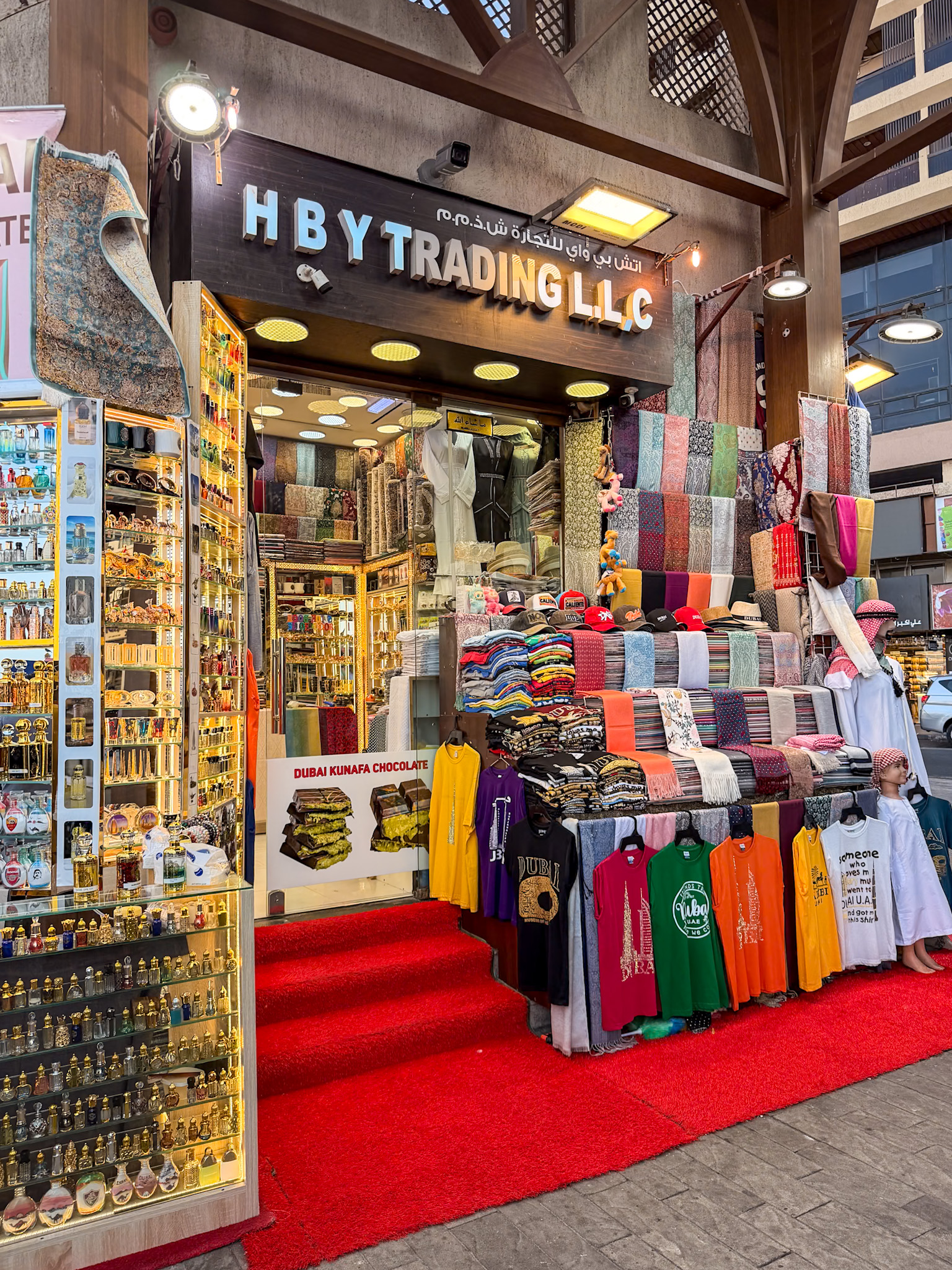
Old Baladiya Street is busy, local, and full of character. This is one of the main shopping streets in old Dubai, packed with small businesses, local shops, and markets lined up back-to-back. If you’re looking for authentic shopping and good deals, this is the place.
It’s also a great spot to buy a traditional mosque outfit without paying tourist prices. There are endless options, and prices are much better than in malls. One standout stop is Damt Dar Almadani Trading LLC—they have an excellent selection, and their camel milk tea is so good I brought a whole bag home with me.
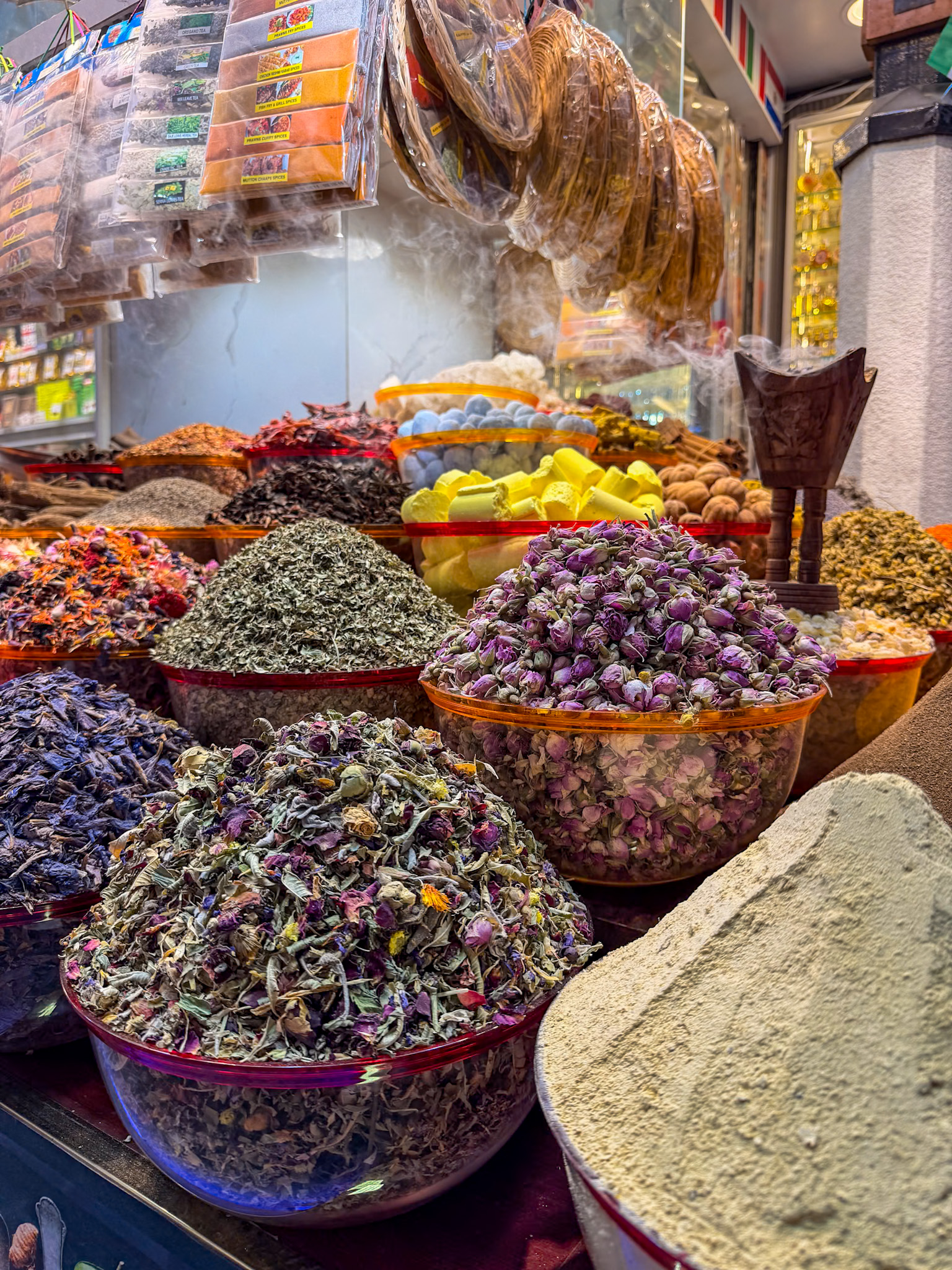
If you have room in your suitcase, the local honey is worth picking up. Don’t skip the chocolate-coated dates with walnut centers, the biscuit chocolates with almond centers, or the fruit tea. The tea smells incredible and is made from a special green leaf tea known for its health benefits.
You’ll also find gold and spice markets nearby. For gold jewelry, head toward the Deira Gold Souk, where you’ll see countless shops with competitive pricing. It’s a great place to browse—just plan to compare prices and take your time.
If shopping is high on your list, learn more in my post about the Best Souvenirs to Buy in Dubai.
Al Fahidi, Dubai Creek, Al Seef, and Old Baladiya Street all work well together and can easily be explored in half a day. Starting early makes everything smoother—parking is easier, crowds are lighter, and the experience feels more relaxed.
If you’re coming from another part of the city, renting a car helps keep the timing flexible. Discover Cars is the easiest way to compare rental options without jumping between multiple sites.
This side of Dubai is best enjoyed slowly. Walk the lanes, browse the markets, take the abra, and let the day unfold naturally. It’s a side of the city that feels grounded, practical, and very real—exactly what makes it worth visiting.

Let’s talk about when to actually book that Dubai trip you’ve been pinning for two years. I get asked this constantly, so here’s the honest breakdown: October through April is your window. Anything outside that and you’re basically touring in a sauna!
October and November give you warm days and cooler nights, which is basically the sweet spot for wandering around without melting. December through February is peak season: gorgeous weather. March and April are the quiet insider pick, right before summer heat shows up and ruins everyone’s plans.
Saving this for later? That’s what it’s here for. Full breakdown linked in bio.

If you’re chasing energy, beaches, nightlife, and nonstop luxury, Dubai takes the crown. If you’re craving culture, iconic architecture, and meaningful landmarks at a slower pace, Abu Dhabi shines.🤍
My advice? Base yourself in Dubai and do Abu Dhabi as a day trip! The perfect balance of excitement and culture in the UAE.
Want the full breakdown? Check out my Dubai and Abu Dhabi guide for tips, itineraries, and must-sees!
I do not like seafood. 🐟 So when I booked a tasting menu at a restaurant built around aquarium walls at Atlantis The Palm, I was nervous.
Ossiano sits underwater fish gliding past the whole meal, moody lighting, the kind of room that makes you lower your voice without meaning to. It’s not cheap, and it’s not trying to be. You’re paying for the entire experience.
Here’s the honest part: they have a vegetarian tasting menu, and I assumed it would be an afterthought. It ended up in my top five meals of all time. Course after course, the same care and precision as the seafood-forward menu everyone comes for. They even swapped in a steak for the main and it still felt cohesive with everything around it.
By course four you’re full. They bring out three more breads anyway. I ate all of it. No regrets.
Small detail that stuck with me my dress was black, so they swapped my napkin from white to black without me asking. That’s the kind of thing that tells you everything about a place.
Full breakdown of the menu, the vegetarian option, and what to expect linked in bio.
Dubai is all skyline until you drive an hour into the dunes and it goes completely silent. Bab Al Shams was that shift for us: slower, quieter, more intentional than anything we did in the city.
If you want nightlife or walkable everything, this isn’t your stop. But if you want a night that feels like a reset, it delivers, polished service, food I’m still thinking about, and a setting that never tries too hard.
Full review (and whether it’s worth adding to your Dubai itinerary) is linked in bio. 🏜️
I flew @emirates economy to Dubai fully expecting to just survive the flight. We booked seats by the exit row — @bradplummer1 got the legroom (he’s 6’7”), I got a normal seat right next to him, and it saved us money over booking two extra-legroom seats. Smart trick if you’re traveling with someone who needs the extra space and you don’t.
The food alone earned this post. Warm chicken, a Waldorf salad that actually tasted fresh, real butter on the roll, and a breakfast spread that put most airport brunches to shame. Add in the twinkling-star cabin lighting once dinner wrapped, and it felt less like a flight and more like the trip had already started.
Not everything was perfect — the wifi didn’t work for me at all, so if you’re planning to get work done in the air, download what you need beforehand. But that was the only miss in an otherwise excellent long haul.
If you’ve got Emirates lounge access in Dubai, use it. Showers, buffets, quiet corners to nap it makes the layover feel like a reset instead of a slog.
Full review seats, food, lounge, and the wifi situation is on the blog. Link in bio. ✈️

Follow @travelwithwendyplummer for Beautiful Beach Destinations, City Guides, Foodie Spots, and Luxury Hotel Recommendations.