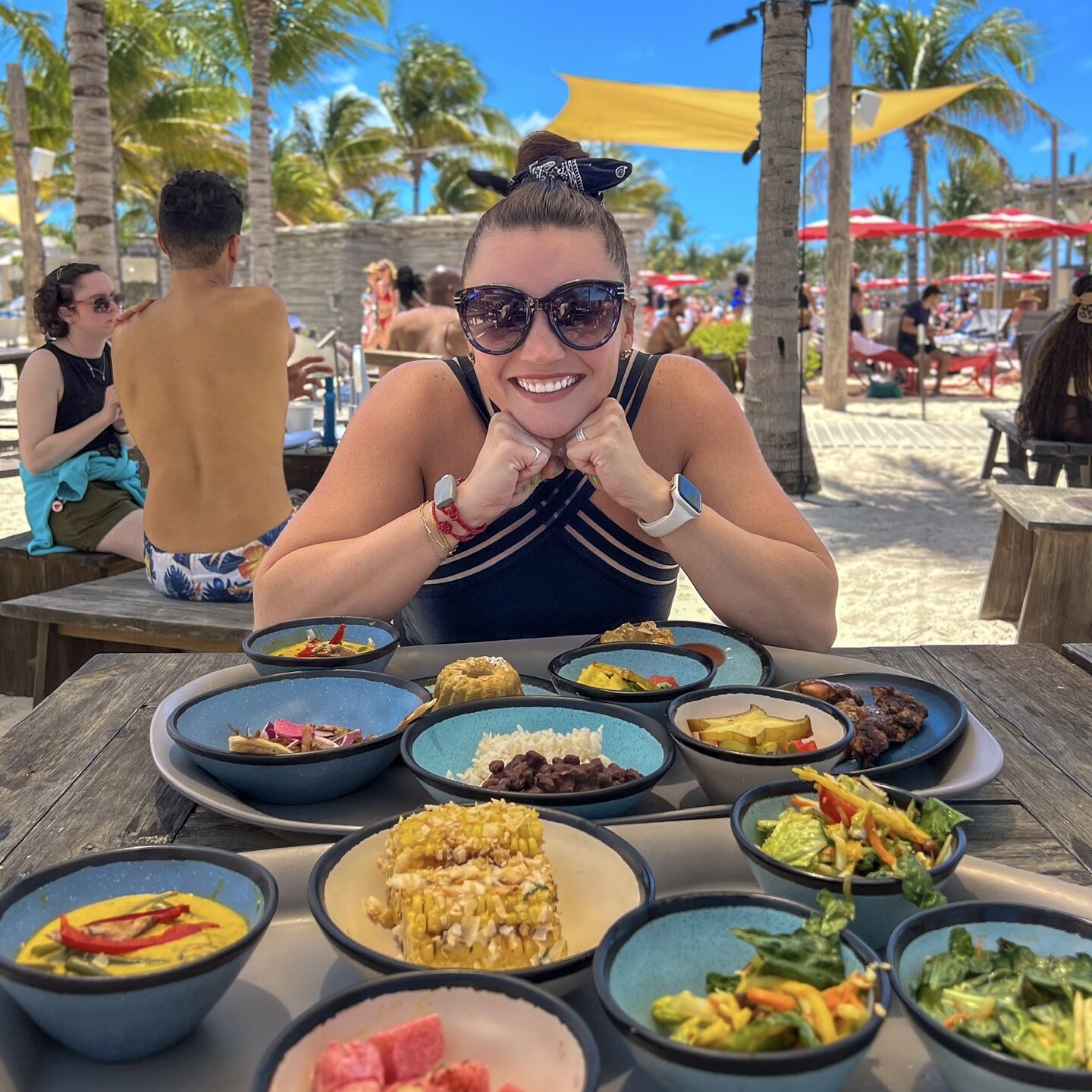

The best time for Middle East travel is generally October through April, when temperatures are warm but manageable.
October–November: Warm days, cooler nights, perfect for sightseeing
December–February: Peak season with pleasant weather (and higher prices)
March–April: Ideal shoulder season before summer heat kicks in
Summer months (May–September) bring extreme heat in many destinations, making outdoor sightseeing challenging—but it can work if you plan around early mornings, evenings, and indoor attractions.
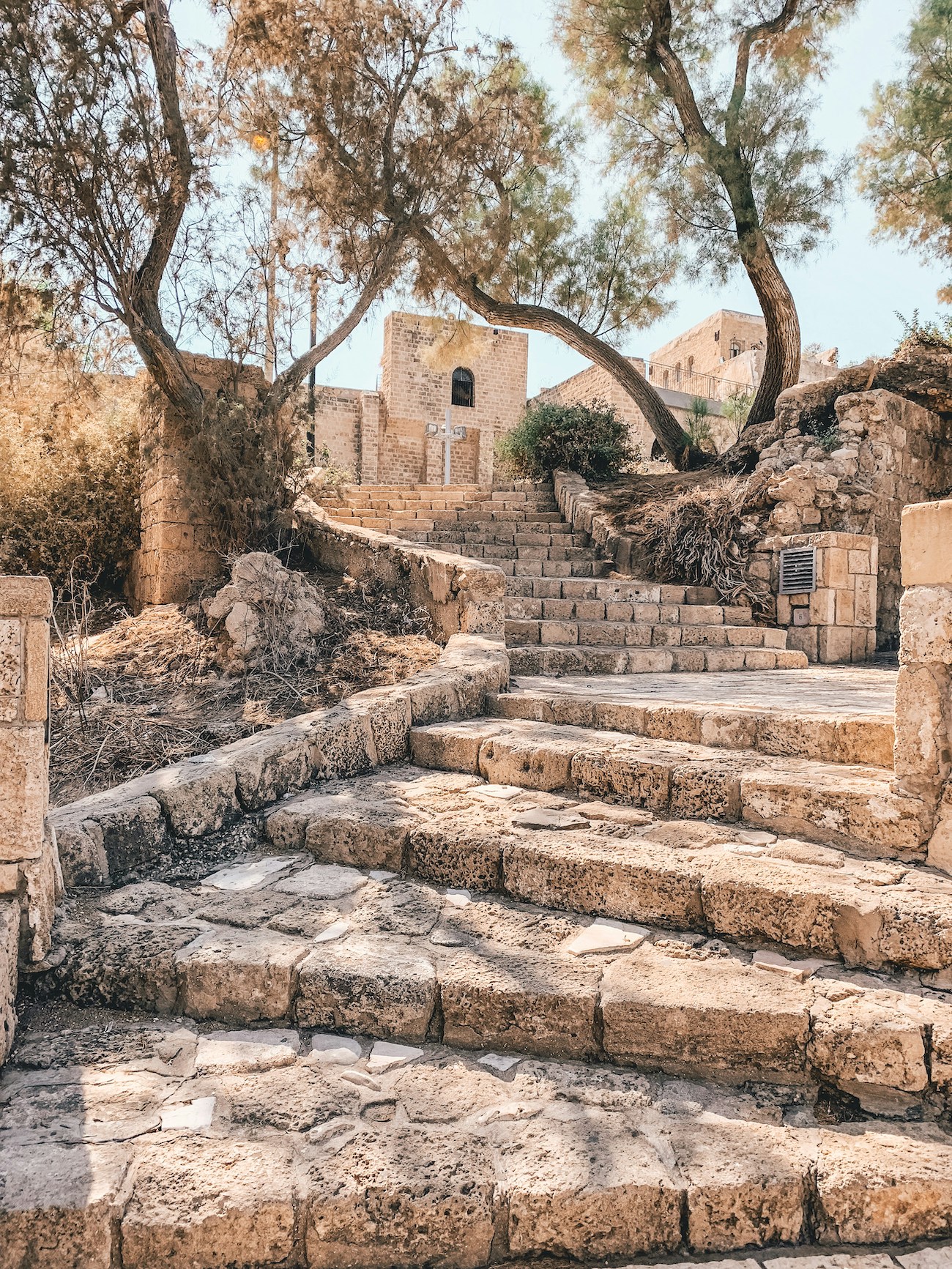
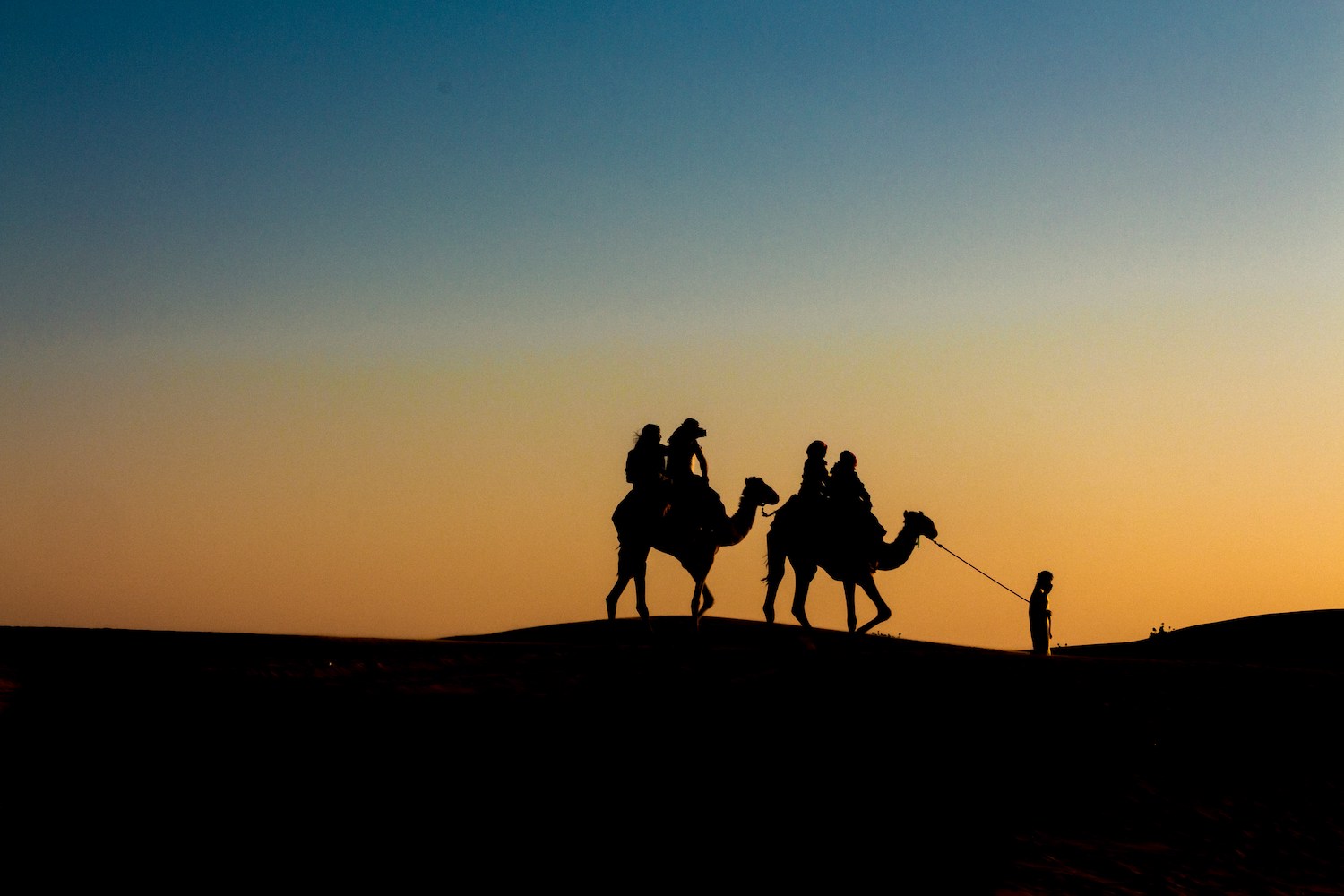
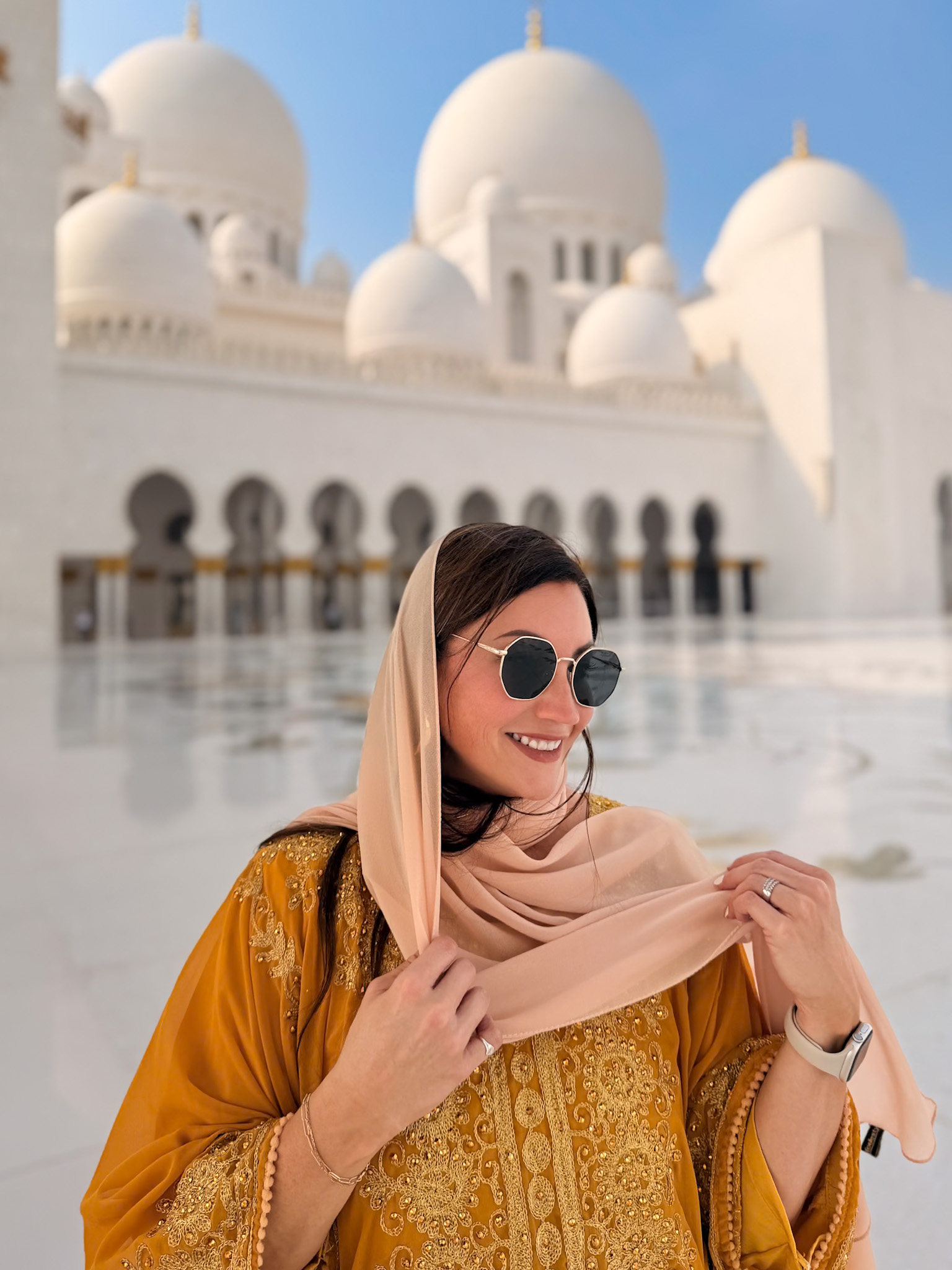
No two trips look the same when it comes to Middle East travel, but these experiences are must-dos:
Explore world-famous skylines and architectural icons
Wander traditional souks filled with spices, textiles, and gold
Take a desert safari with dune bashing, camel rides, and sunset views
Visit ancient archaeological sites and UNESCO World Heritage landmarks
Relax at luxury resorts, beach clubs, or spa retreats
Experience local food—from street snacks to fine dining
This is a region where history, adventure, and luxury coexist beautifully.
Getting started with Middle East travel is easier than many people expect. Major international airports serve as global hubs with nonstop flights from North America, Europe, Asia, and beyond.
Most travelers arrive via large international airlines offering excellent service and connections. Long-haul flights are common, but airport infrastructure and comfort are top-tier across much of the region.
Entry requirements for Middle East travel vary by country and passport, but most destinations require:
A passport valid for at least 6 months
Proof of onward or return travel
Visa on arrival, e-visa, or visa-free entry depending on nationality
Always double-check visa requirements before booking, as rules can change quickly.
Once you arrive, Middle East travel logistics are generally straightforward:
Ride-share apps and taxis are widely available
Public transportation is clean and efficient in major cities
Renting a car is easy for road trips and desert regions
Private drivers are affordable and common for sightseeing days
Navigation is simple, signage is often bilingual, and English is widely spoken in tourist areas.
A few things to know before planning Middle East travel:
Dress modestly in cultural or religious areas
Be respectful during prayer times and religious holidays
Alcohol laws vary by country—know the rules
Stay hydrated, especially in warmer months
Cash is useful for markets, but cards are widely accepted
The region is far more welcoming, safe, and traveler-friendly than many first-timers expect.
Make Dynamic
Make Dynamic
Make Dynamic
Make Dynamic
“Outside Terminal 3” is not a pickup location at PHX.
Before your driver pulls in, text them four things: your terminal, north or south side, door number, and inner or outer curb. Grab your bags first, then call them in. Drivers can wait free in the cell phone lot instead of circling. Getting through security is easy; getting picked up is the hard part.
Save this for your Phoenix trip ✈️

Come for the architecture, stay for the view.
The Chapel of the Holy Cross has been built into Sedona’s red rocks since 1956. The outside overlooks get busy, but inside is quiet, with huge windows framing the rocks. It’s free, takes 30-45 minutes, and has a paved, wheelchair-accessible ramp. Make sure to bring water in summer.
Save this for your trip planning!
Order it well done. Trust me.🍑🍕
Peach & Pancetta Pizza at Hideaway House in Sedona: roasted peaches, salty pancetta, ricotta, basil, extra-crispy crust. Split the house salad, grab a prickly pear lemonade, and get a patio table facing the red rocks. Skip the bread if you want room for another slice.
Save this for your Sedona trip✈️
Pack your bags, Denver is not just a mountain layover. RiNo alone can eat a full day between the murals, food, and bars. Skip the concert and hit Red Rocks midday instead, you’ll basically have it to yourself. Golden’s a 30-minute trip if you want a change of pace, and if food drives your travel like it does mine, Denver Central Market and BRUTØ deserve real time on the calendar. Give it three days minimum, four if you’re eating your way through it. Save this.
Stayed at The Maven in Denver’s Dairy Block and the location alone sold me, walking distance to Union Station and most of downtown, string lights right outside at night. The room was spacious and quiet, even had a swing in it. Real talk though, there’s a $28 daily resort fee and parking isn’t cheap, valet ran us $59 a day. Bed was a little firm, but that’s the only complaint I’ve got. Save this before you book.

Follow @travelwithwendyplummer for Beautiful Beach Destinations, City Guides, Foodie Spots, and Luxury Hotel Recommendations.