

The best time to visit Greece is May through June or September through early October, when temperatures are generally comfortable, major attractions are less crowded, and most seasonal island businesses are operating.
Spring (March–May): Temperatures gradually warm up, wildflowers appear, and popular archaeological sites are easier to explore without intense heat. May is especially good for sightseeing, although the sea can still be quite chilly.
Summer (June–August): Expect hot weather, busy beaches, and peak tourist crowds, particularly in Athens, Santorini, and Mykonos. July and August are typically the hottest and most expensive months, with temperatures in Athens sometimes exceeding 95°F.
Fall (September–November): September is one of my favorite times to visit Greece. The sea is still warm from summer, restaurants and tours are operating, and crowds generally start thinning out. October can also be excellent, although some island businesses begin closing for the season.
Winter (December–February): Athens and mainland destinations remain active year-round, but many island hotels, restaurants, and tours close or operate reduced schedules. Expect cooler temperatures, rain, and fewer ferry connections.
My recommendation: Visit in September if you want a combination of beach time, sightseeing, and warm weather without dealing with the absolute peak of summer tourism.

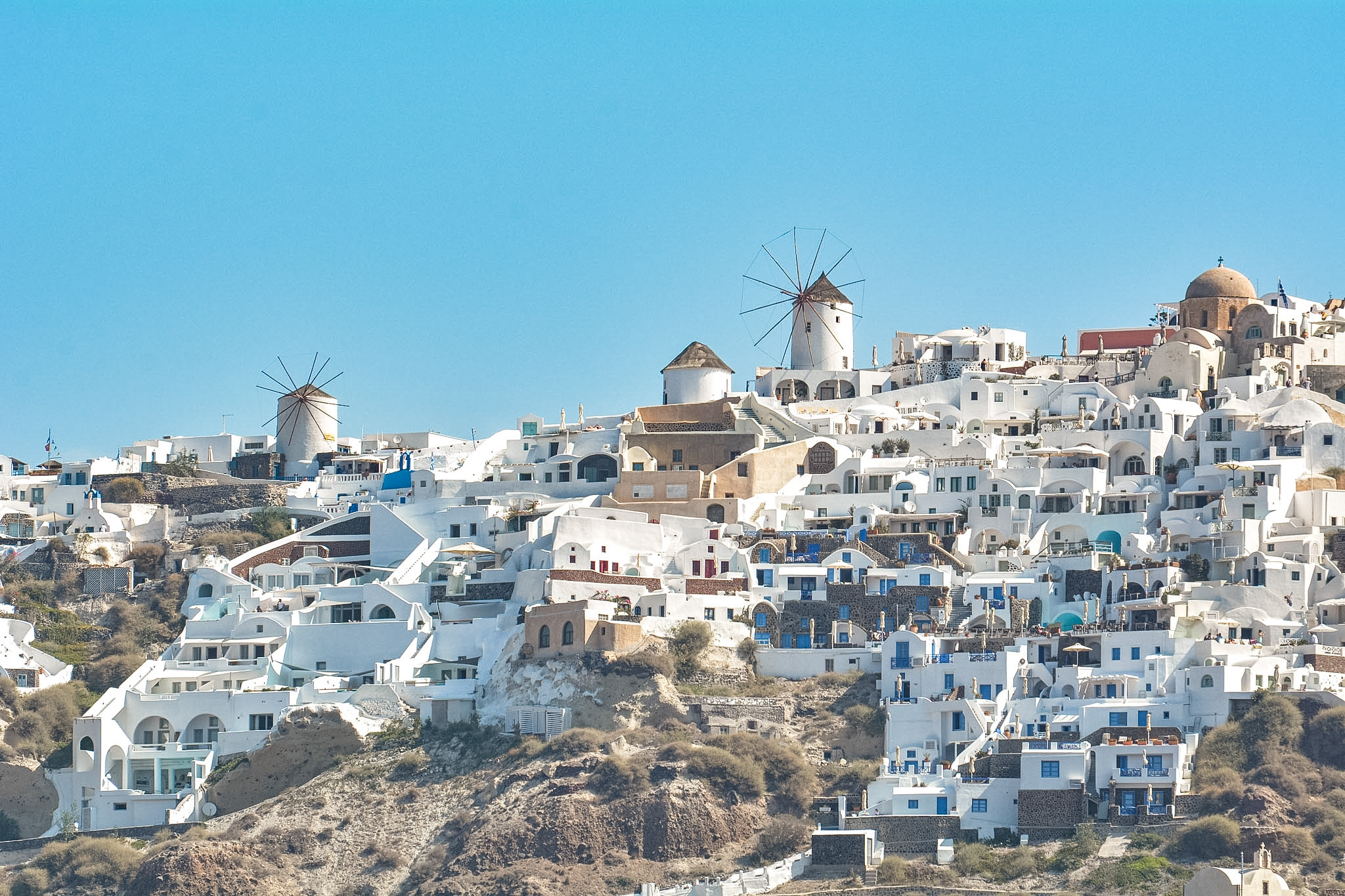
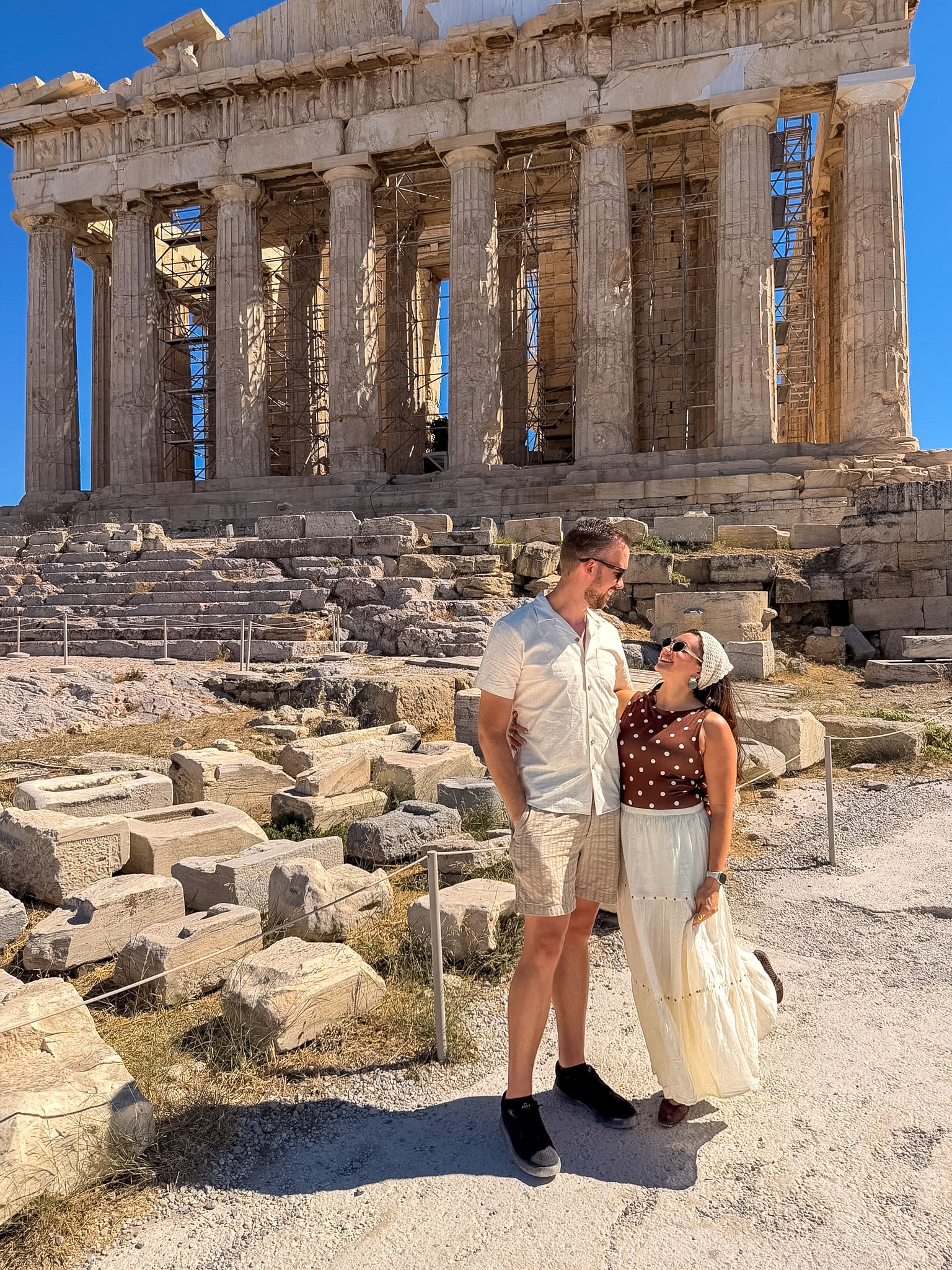
There’s a LOT to see in Greece, and trying to squeeze Athens, several islands, and the mainland into one short trip can quickly turn into a transportation marathon. These are some of the best experiences to prioritize.
Most international travelers arrive in Greece by plane, with Athens serving as the country’s primary international gateway. Depending on your itinerary, flying directly to an island or another mainland city may save considerable travel time.
Athens International Airport (ATH): The main airport for Greece and generally the best arrival point for travelers visiting Athens, exploring the mainland, or connecting to the Greek islands. The airport is approximately 20 miles east of central Athens and is connected to the city by metro, suburban railway, buses, and taxis.
Santorini International Airport (JTR): Convenient for travelers heading directly to Santorini. The airport receives domestic flights from Athens and seasonal international flights from several European cities.
Heraklion International Airport (HER): One of the main gateways to Crete, especially for travelers exploring the central and eastern portions of the island.
Thessaloniki Airport (SKG): A good option for visiting northern Greece, including Thessaloniki, Halkidiki, and surrounding mainland destinations.
Mykonos International Airport (JMK): Serves Mykonos with flights from Athens and seasonal connections to European destinations.
My recommendation: For a trip combining Athens and Santorini, consider flying into one destination and departing from the other if flight schedules and prices make sense. It can eliminate unnecessary backtracking and give you more time to actually enjoy Greece.
Getting around Greece depends heavily on whether you’re visiting Athens, exploring the mainland, or traveling between islands. There’s no single transportation option that works best everywhere.
Domestic Flights: Flying is often the fastest way to travel between Athens and larger islands such as Santorini, Crete, and Mykonos. Many flights take approximately 45–60 minutes, although airport transfers and check-in add to your total travel time.
Ferries: Ferries connect mainland ports with the Greek islands and provide transportation between many islands. Routes, schedules, and travel times vary significantly by season. High-speed ferries are quicker but can be more affected by rough seas.
Rental Cars: Renting a car is especially useful for exploring larger islands, mainland destinations, and places outside the main tourist areas. We rented a car in Santorini, which gave us the flexibility to explore villages, beaches, and viewpoints without relying on organized tours. Just be prepared for narrow roads, limited parking, and some interesting driving situations.
Public Transportation: Athens has a metro, buses, trams, and suburban rail connections, making it relatively easy to explore without a car. On islands, public buses connect major towns and popular attractions, but schedules may be limited outside peak season.
Taxis and Private Transfers: Taxis are convenient for airport transfers and shorter journeys, although prices can add up quickly on popular islands. Arrange transfers ahead of time when arriving during busy travel periods.
Walking: Many historic neighborhoods and island villages are best explored on foot. Expect uneven pavement, cobblestones, steep hills, and stairs, especially in Santorini.
My recommendation: Skip the rental car in central Athens, but consider one for island exploration if you want to visit smaller villages and less accessible beaches. Also, avoid scheduling tight connections between ferries and international flights. Weather delays can happen, and missing a flight is not the souvenir you want.
A few practical details can make traveling around Greece considerably easier, especially if you’re visiting multiple destinations.
One final tip: Don’t underestimate how long it takes to move between destinations. Between airport transfers, ferries, winding island roads, and those endless Santorini stairs, travel days can eat up more time than expected. I recommend spending at least a few nights in each destination rather than constantly packing and unpacking.
A café, bakery, market, and wine shop all in one Phoenix stop 🍊
At La Grande Orange, order the crepes first, they’re the thing I’d go back for. The chicken salad sandwich is perfect if someone wants lunch while you’re still on breakfast, and the red velvet mini cupcake and a chai latte round it out. The sea salt chocolate chip cookie is heartier than gooey, so it’s best for dunkers. It’s counter service with easy parking, and the market has quirky gifts you won’t find elsewhere. Leave time to browse, because you’ll stay longer than planned.
Save this for your Phoenix trip ☀️

“Outside Terminal 3” is not a pickup location at PHX.
Before your driver pulls in, text them four things: your terminal, north or south side, door number, and inner or outer curb. Grab your bags first, then call them in. Drivers can wait free in the cell phone lot instead of circling. Getting through security is easy; getting picked up is the hard part.
Save this for your Phoenix trip ✈️
Come for the architecture, stay for the view.
The Chapel of the Holy Cross has been built into Sedona’s red rocks since 1956. The outside overlooks get busy, but inside is quiet, with huge windows framing the rocks. It’s free, takes 30-45 minutes, and has a paved, wheelchair-accessible ramp. Make sure to bring water in summer.
Save this for your trip planning!
Order it well done. Trust me.🍑🍕
Peach & Pancetta Pizza at Hideaway House in Sedona: roasted peaches, salty pancetta, ricotta, basil, extra-crispy crust. Split the house salad, grab a prickly pear lemonade, and get a patio table facing the red rocks. Skip the bread if you want room for another slice.
Save this for your Sedona trip✈️
Pack your bags, Denver is not just a mountain layover. RiNo alone can eat a full day between the murals, food, and bars. Skip the concert and hit Red Rocks midday instead, you’ll basically have it to yourself. Golden’s a 30-minute trip if you want a change of pace, and if food drives your travel like it does mine, Denver Central Market and BRUTØ deserve real time on the calendar. Give it three days minimum, four if you’re eating your way through it. Save this.

Follow @travelwithwendyplummer for Beautiful Beach Destinations, City Guides, Foodie Spots, and Luxury Hotel Recommendations.