
Spring (April–June) and fall (September–October) are the most balanced times to visit. You get moderate weather, manageable crowds, and better pricing compared to peak summer.
Summer (July–August) is the busiest and hottest time. Cities can feel crowded and slow-moving, especially in places like Rome and Florence. Coastal areas are popular, but you’ll need reservations well in advance.
Winter (November–March) is quieter and more affordable, especially in cities. Northern regions are colder, and some coastal or rural areas slow down significantly, but major cities stay active.
Explore Rome’s historic sites, including the Colosseum, Roman Forum, and Vatican City. These are spread out but walkable with planning.
Walk through Florence’s historic center, focusing on the Duomo, Ponte Vecchio, and nearby museums. Everything is relatively close together.
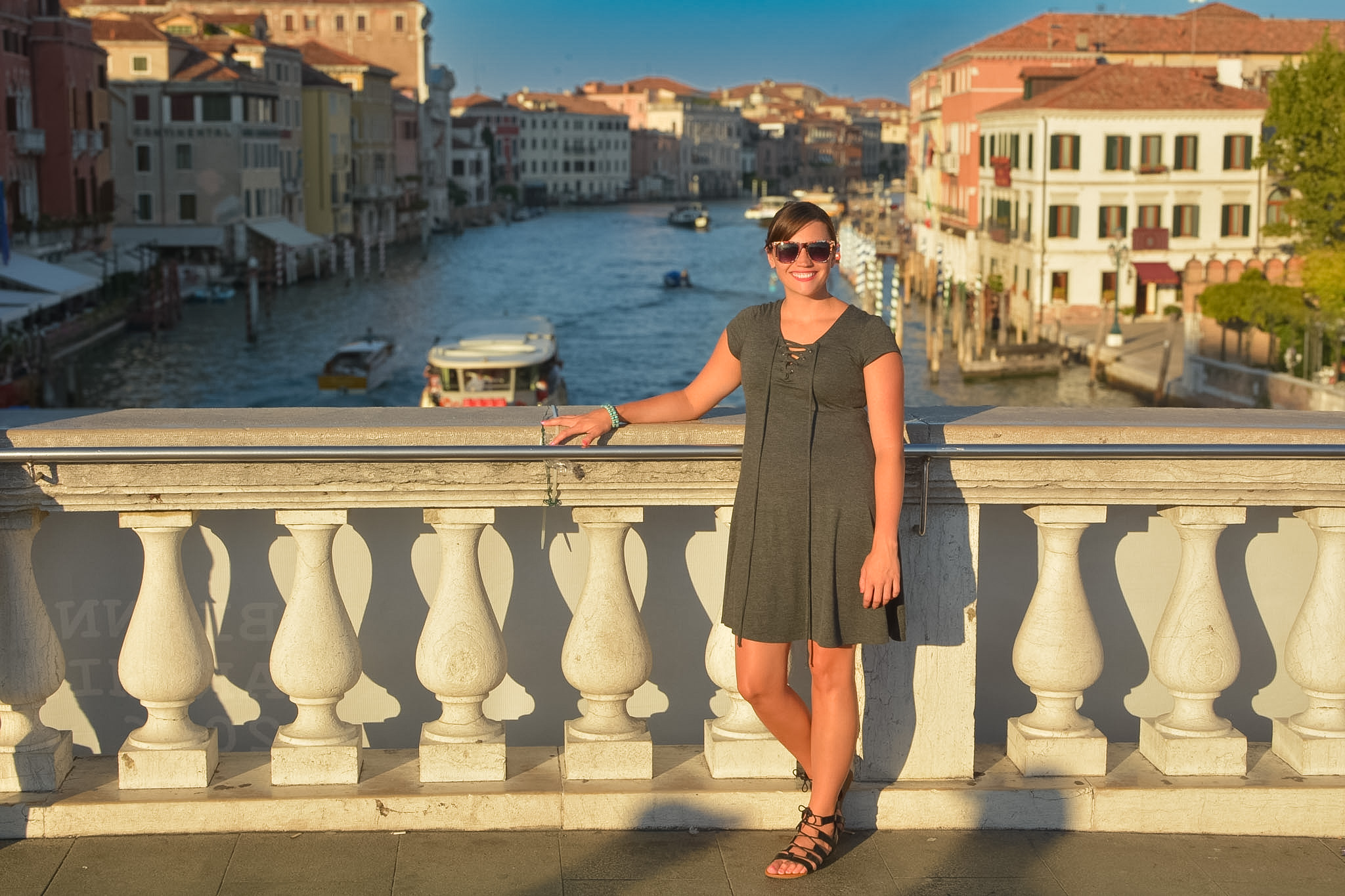
Visit Venice’s canals and neighborhoods, moving between major landmarks like St. Mark’s Square and quieter areas on foot.
Take a train between major cities. High-speed trains connect places like Rome, Florence, Milan, and Venice efficiently and are often easier than flying.
Drive through Tuscany or the countryside to access smaller towns, vineyards, and local restaurants that aren’t connected by train.
Visit the Amalfi Coast for coastal views, but plan for slower travel times due to narrow roads and traffic.
Explore Lake Como or Lake Garda for a different landscape—more structured, less crowded than major cities (depending on timing), and easier to navigate.
Italy has several major international airports, and the best one depends on your itinerary.
Direct flights from the U.S. are widely available to Rome and Milan, with seasonal routes to Venice.
If you’re visiting multiple regions, it’s often easier to fly into one city and out of another instead of looping back.
Trains are the most efficient way to travel between major cities. High-speed trains are reliable, comfortable, and reduce the need for a car.
Within cities, walking is often the easiest option, especially in historic centers where driving is restricted.
Public transportation (buses, trams, metro) is available in larger cities like Rome and Milan, though it can be slower than walking in dense areas.
Renting a car is useful for rural regions like Tuscany or for exploring smaller towns that aren’t well connected by train. It’s less practical in major cities due to traffic, restricted zones, and parking limitations.
Power Outlets
Type C, F, and L plugs — bring a universal adapter
Time Zone
Central European Time (CET), 6 hours ahead of Eastern Time
Tipping
Not required in the same way as the U.S. Service is often included, but rounding up or leaving small cash is common
Dining Schedule
Lunch is typically 12:30–2:30 PM, dinner usually starts around 7:30–8:00 PM. Restaurants may close between meals
Water
Tap water is safe to drink, and public fountains are common in cities like Rome
Dress Codes
More structured than in the U.S., especially in cities and restaurants. Comfortable but put-together works best
Reservations
Recommended for restaurants, trains, and major attractions—especially during peak season
“Outside Terminal 3” is not a pickup location at PHX.
Before your driver pulls in, text them four things: your terminal, north or south side, door number, and inner or outer curb. Grab your bags first, then call them in. Drivers can wait free in the cell phone lot instead of circling. Getting through security is easy; getting picked up is the hard part.
Save this for your Phoenix trip ✈️

Come for the architecture, stay for the view.
The Chapel of the Holy Cross has been built into Sedona’s red rocks since 1956. The outside overlooks get busy, but inside is quiet, with huge windows framing the rocks. It’s free, takes 30-45 minutes, and has a paved, wheelchair-accessible ramp. Make sure to bring water in summer.
Save this for your trip planning!
Order it well done. Trust me.🍑🍕
Peach & Pancetta Pizza at Hideaway House in Sedona: roasted peaches, salty pancetta, ricotta, basil, extra-crispy crust. Split the house salad, grab a prickly pear lemonade, and get a patio table facing the red rocks. Skip the bread if you want room for another slice.
Save this for your Sedona trip✈️
Pack your bags, Denver is not just a mountain layover. RiNo alone can eat a full day between the murals, food, and bars. Skip the concert and hit Red Rocks midday instead, you’ll basically have it to yourself. Golden’s a 30-minute trip if you want a change of pace, and if food drives your travel like it does mine, Denver Central Market and BRUTØ deserve real time on the calendar. Give it three days minimum, four if you’re eating your way through it. Save this.
Stayed at The Maven in Denver’s Dairy Block and the location alone sold me, walking distance to Union Station and most of downtown, string lights right outside at night. The room was spacious and quiet, even had a swing in it. Real talk though, there’s a $28 daily resort fee and parking isn’t cheap, valet ran us $59 a day. Bed was a little firm, but that’s the only complaint I’ve got. Save this before you book.

Follow @travelwithwendyplummer for Beautiful Beach Destinations, City Guides, Foodie Spots, and Luxury Hotel Recommendations.