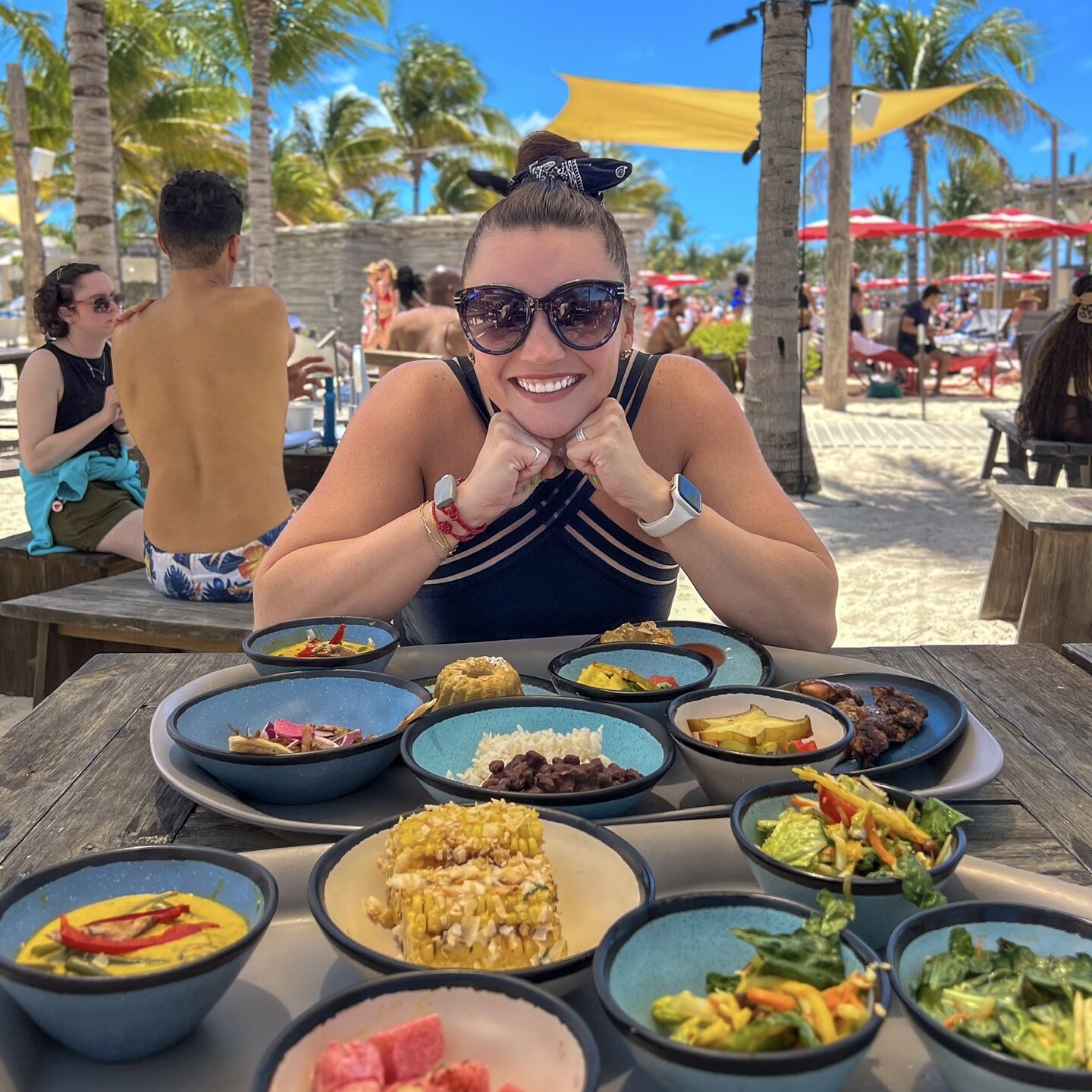
Visiting Idaho City hot springs was one of the highlights of our time in the area and such a good balance to all the eating, wandering, and exploring we packed into the trip. Idaho City is already a slower-paced mountain town, and adding a soak makes it feel like a true reset—especially if you’re coming from Boise and want something relaxing without a ton of effort.
We ended up visiting a mix of spa-style and more natural soaking spots, and each one offered a completely different experience. This guide walks through exactly what to expect at the main Idaho City hot springs, how they compare to nearby options, and how to plan your visit so it’s smooth instead of confusing.
If you’re planning a full stay, this pairs well with my Idaho City Guide: What to Do, Where to Eat & Where to Stay, which lays out restaurants, hotels, and how to structure your time.
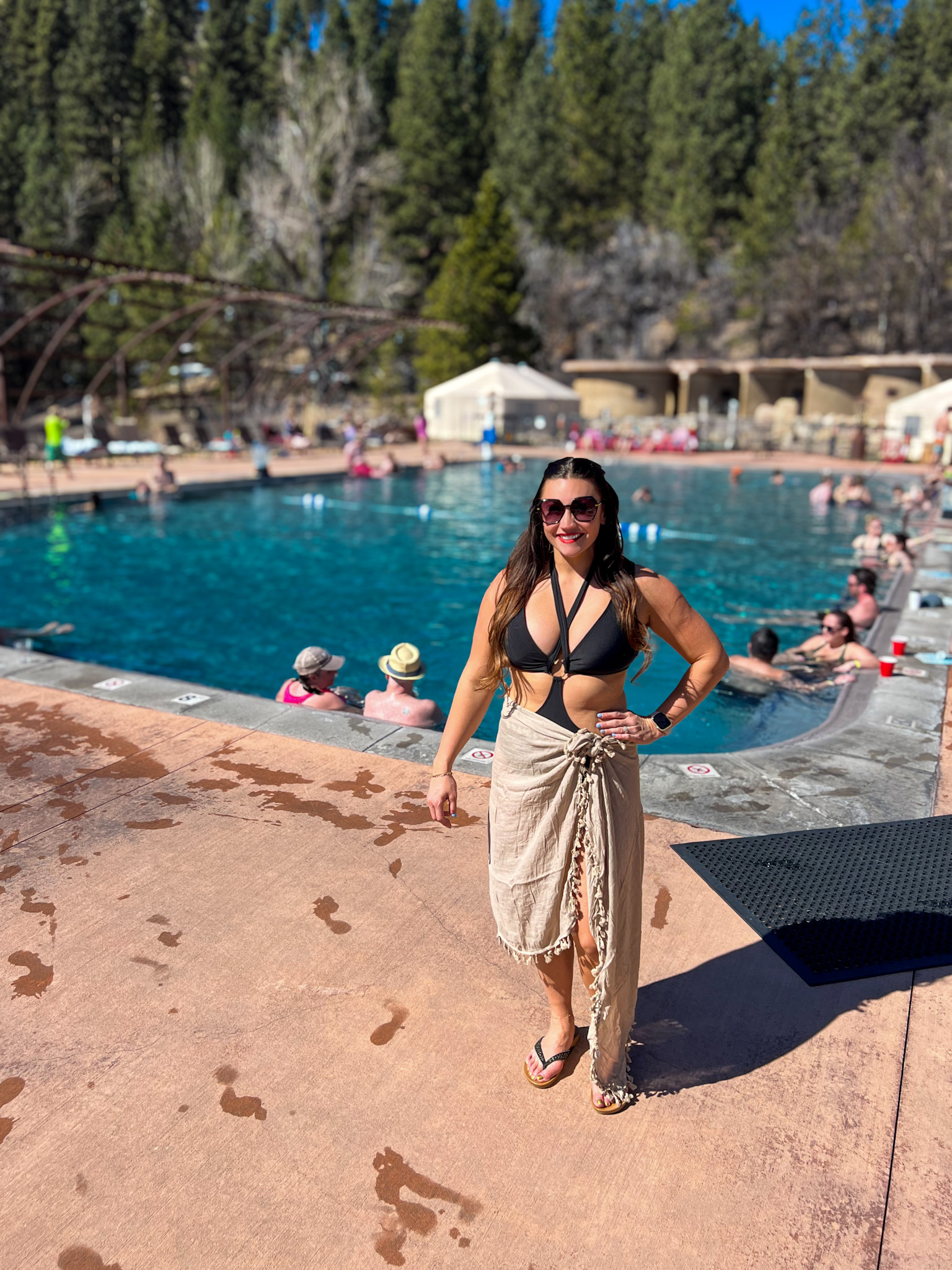
If you want the most polished and predictable Idaho City hot springs experience, start with The Springs.
This is not a rugged, backcountry soak. The Springs feels like a mountain retreat with spa energy. There’s a large communal soaking pool, a hot tub, and private tubs you can reserve by the hour if you want something quieter or more secluded. Everything is fed by natural geothermal water, and the temperature is consistently warm and relaxing.
Visits are reservation-only and run in timed sessions, which keeps it from ever feeling crowded. There’s also a steam room and the option to order food and drinks while you soak—an underrated perk if you want to fully settle in.
It’s about a 45-minute scenic drive from Boise, which makes it an easy half-day trip or a great addition if you’re staying overnight in Idaho City. If you want the full breakdown on what it’s like, what to book, and whether private tubs are worth it, see my full review of The Springs Idaho City Hot Springs: What to Expect & How to Plan Your Visit.
If you’re staying nearby, browsing hotels near Idaho City here makes planning much easier since everything stays close and low-stress.
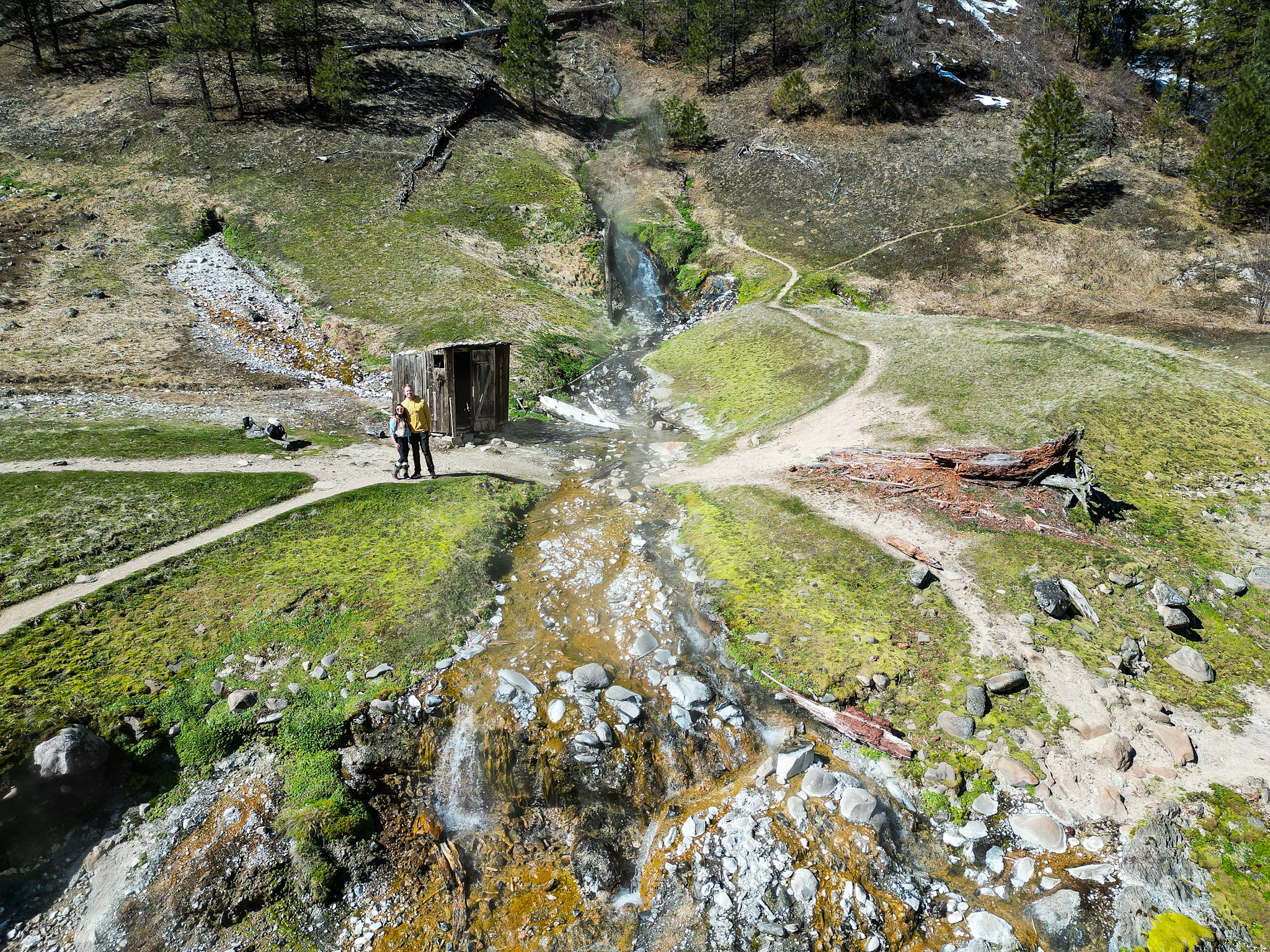
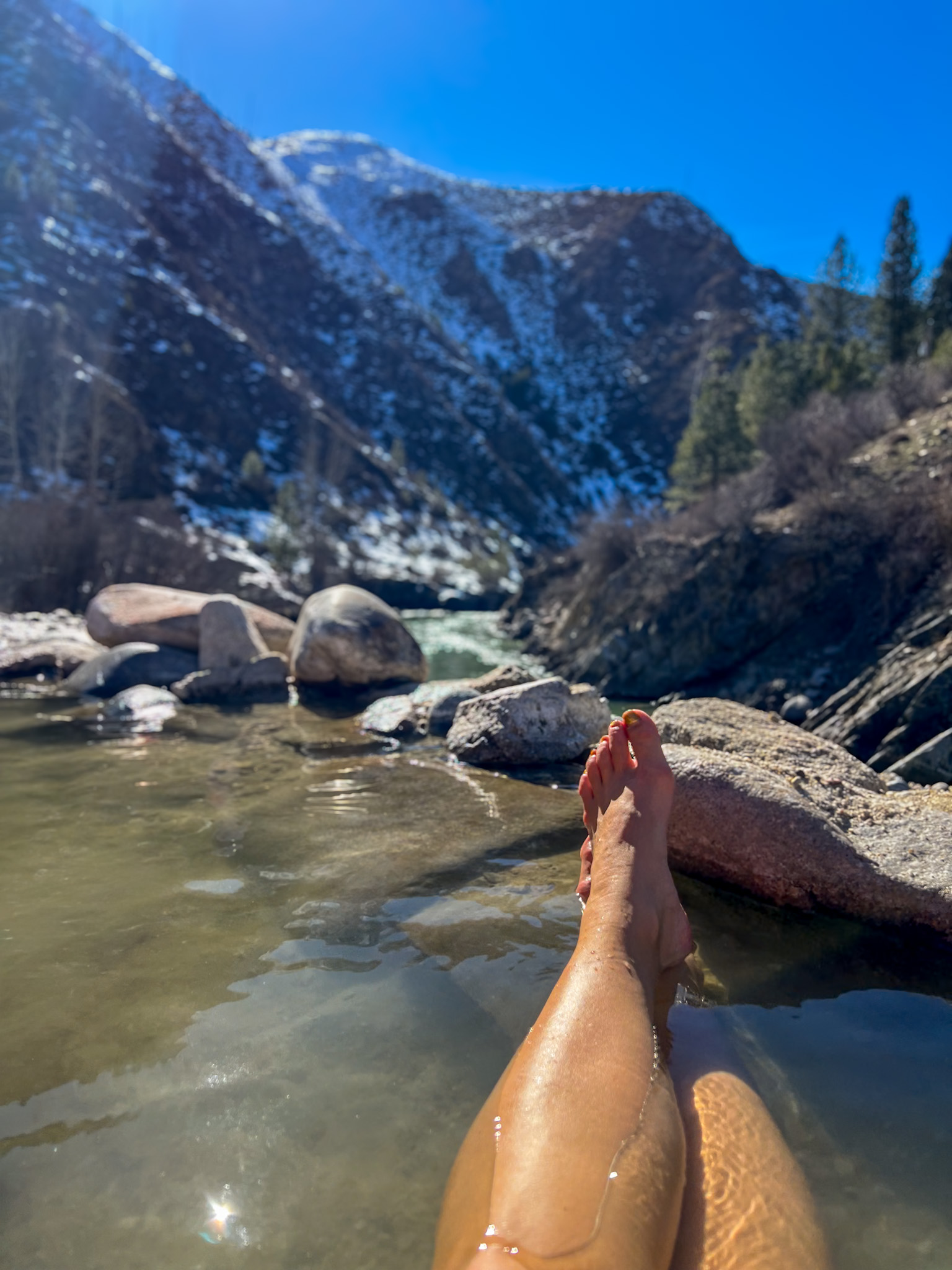
Bonneville is for people who want their Idaho City hot springs experience to feel wild, quiet, and earned.
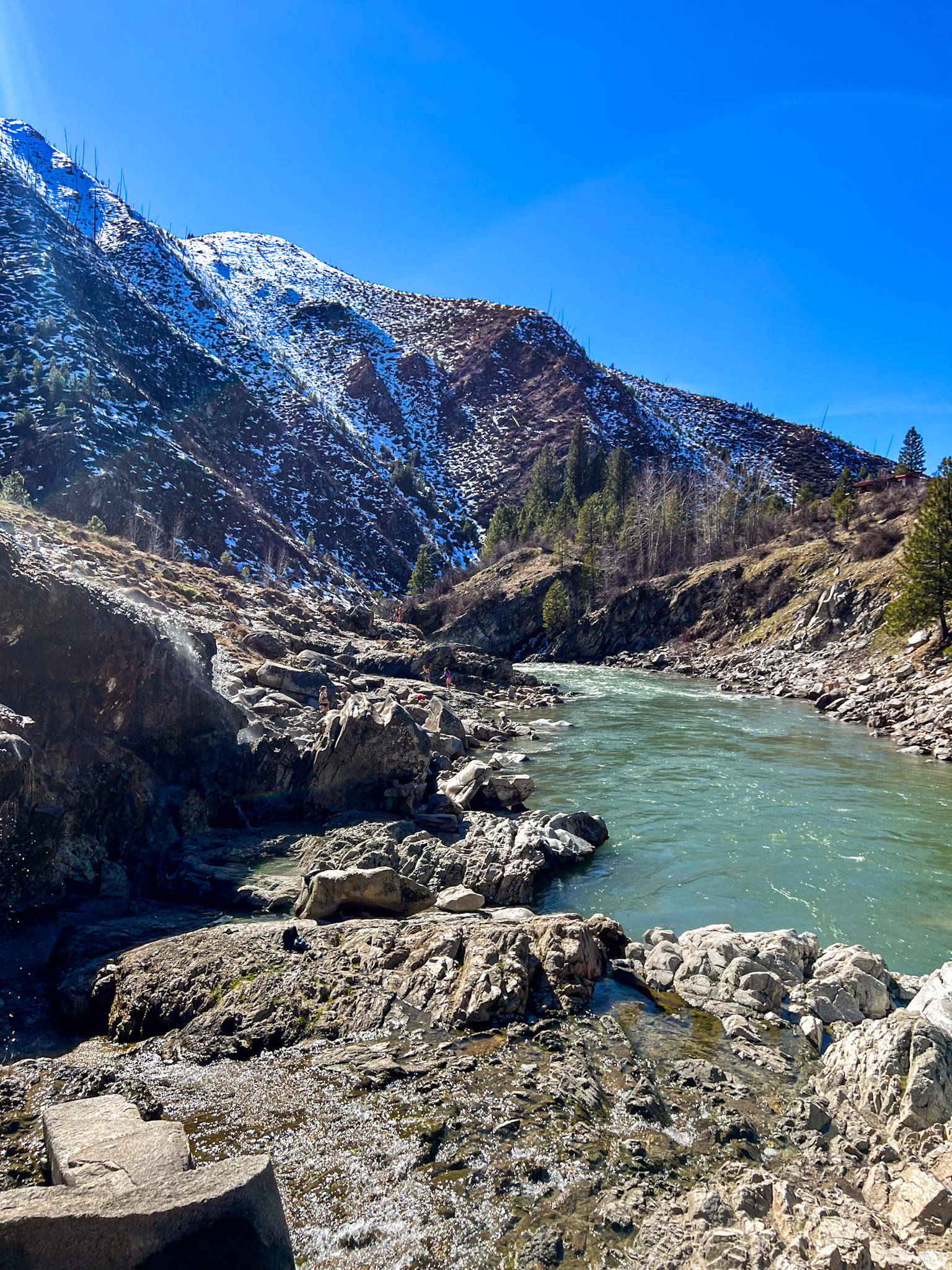
This is a natural, undeveloped hot springs right along the river, and access depends heavily on the season. In summer or when there’s no snow, you can usually park close and walk less than half a mile. In winter or early spring, road and campground closures can mean longer walks and a little confusion—but it’s still worth it.
Facilities are extremely limited. There’s a very rustic changing booth and nothing else. No bathrooms, no food, and spotty cell service. What you get instead are small natural pools, waterfalls, and incredible river views in every direction.
Some pools are extremely hot, especially if there’s no cold river water flowing in. People move rocks to balance the temperature, and once it’s mixed properly, it’s incredibly relaxing. Crowds tend to be minimal compared to other Idaho City hot springs, which makes it feel peaceful and secluded.
If you want all the access details, parking notes, and what to bring so you’re not caught off guard, learn more in my post about Bonneville Hot Springs Idaho: A Scenic & Secluded Soak Near Boise.
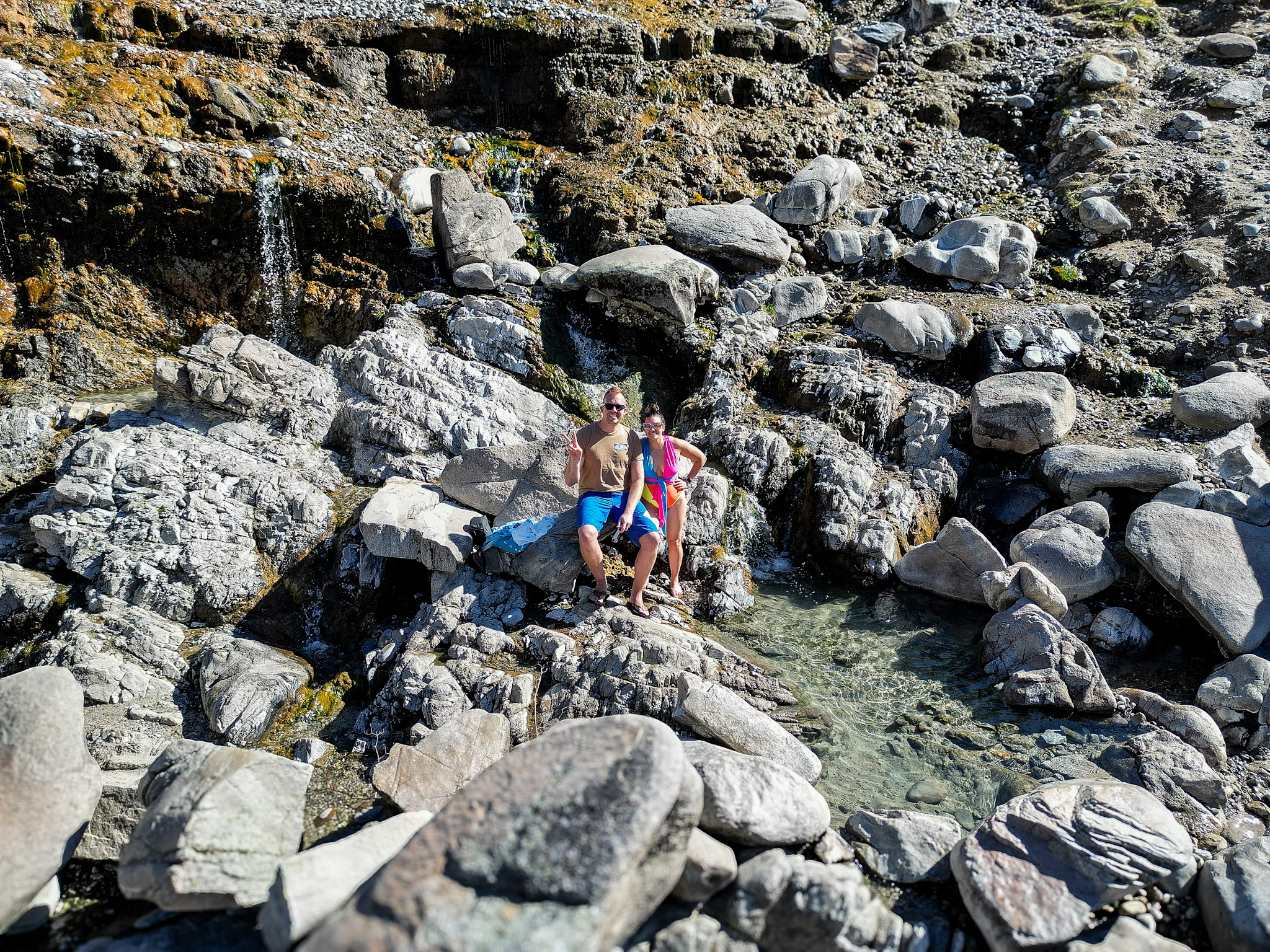
Kirkham Hot Springs is only about 20 minutes from Bonneville, but the experience is completely different.
There’s very little hiking involved—the parking lot is right by the springs—making it one of the most accessible Idaho City hot springs. That said, the rocks are slippery, water shoes are highly recommended, and there are steep stairs with small steps to reach many of the pools.
This is the busiest of the three. When we visited, there were roughly 50 people, but the pools are spread out enough that it never felt chaotic—just more social.
What makes Kirkham stand out is variety. There are multiple pools at different temperatures and a hot springs waterfall, which is always a fun bonus. Some pools are very hot, others are just right, depending on how the water mixes.
The top pool was my favorite. It sits above a canyon overlooking the river and feels surprisingly peaceful despite the crowds below. If you’re deciding whether the crowds are worth it, check out my full take in Kirkham Hot Springs Idaho: A Popular Hot Springs Near Boise (Worth the Crowds?).
Here’s the quick decision guide:
Choose The Springs if you want a clean, calm, spa-style soak with reservations and amenities
Choose Bonneville if you want scenic, secluded, and completely rustic with a little adventure
Choose Kirkham if you want variety, easy access, and don’t mind sharing the experience
If you have time, combining more than one gives you the best overall Idaho City hot springs experience.
Having a car makes all of this much easier, especially since conditions can change quickly. We found renting a car gave us flexibility to adjust plans, and and rented using Discover Cars helped with mountain-friendly choices.
If you’re basing yourself in Boise and doing Idaho City as a day trip, check out my guide on Where to Stay in Boise: Best Areas & Hotels for a First-Time Visit to make sure your location actually makes these drives easy.

Pack your bags: Bryson City is your next fall trip. Save this now. ✈️
Ride the Great Smoky Mountains Railroad through peak color, eat your way down Main Street, and end the day in a luxury yurt. Three days here and you won’t want to leave.

Haywood Smokehouse is the BBQ spot that ruins you for every other BBQ spot. Lean brisket so tender it doesn’t need the fat, fried pork ribs you won’t find anywhere else, and don’t sleep on the banana pudding for dessert.
Save this before your next Waynesville or Dillsboro trip 🍖🔥
Booked this Bryson City yurt for the ‘ber months and it’s already my top fall pick this year. 🍂
The Junaluska Yurt sleeps six but feels more like a stylish cabin than a yurt, two real queen bedrooms with actual doors, a full kitchen, and a private bathroom with a walk-in shower. Check-in is just a door code texted to your phone, no lobby, no waiting.
The real win is outside: wraparound porch, private fire pit, free firewood, a gas grill, and Smoky Mountain sunsets that stop you mid-sentence, picture all of that with October color on the ridgeline. Heads up, the last stretch in is a gravel road, so skip the low-profile rental, and there’s no restaurant onsite, you’re minutes from Bryson City, Dillsboro, and Sylva for dinner.
Two to three nights is the sweet spot. (We actually stayed in the dead of winter and it was still stunning, fall just takes it up a notch.) Full review linked in bio.
Italian food felt like the last thing I expected to find in the middle of the Appalachian Mountains... until I sat down at Ilda in Sylva.🍝
They call it Italian-Appalachian, and that’s not just a tagline. Homemade pasta, craft cocktails, local ingredients pulled straight from the mountains around it, this is the kind of meal that makes you forget you’re two hours from the nearest city. It’s cozy, it’s a little upscale, and it is not a walk-in kind of place, call ahead, because tables go fast on weekends.
It’s not cheap, and it’s not trying to be. But if you’re already making the trip out to Sylva, this is the one reservation worth planning your day around.
Full write-up, including what to order, link in bio.
Booked my fall cabin before September even started, and I’m not sorry about it. 🍂
These are the stays that make you actually want the cold to hurry up fireplaces, mountain views, the kind of porch you don’t leave. Not every one of these is going to fit every trip, but if a cozy fall getaway is on your radar, this is the roundup to start with.

Follow @travelwithwendyplummer for Beautiful Beach Destinations, City Guides, Foodie Spots, and Luxury Hotel Recommendations.