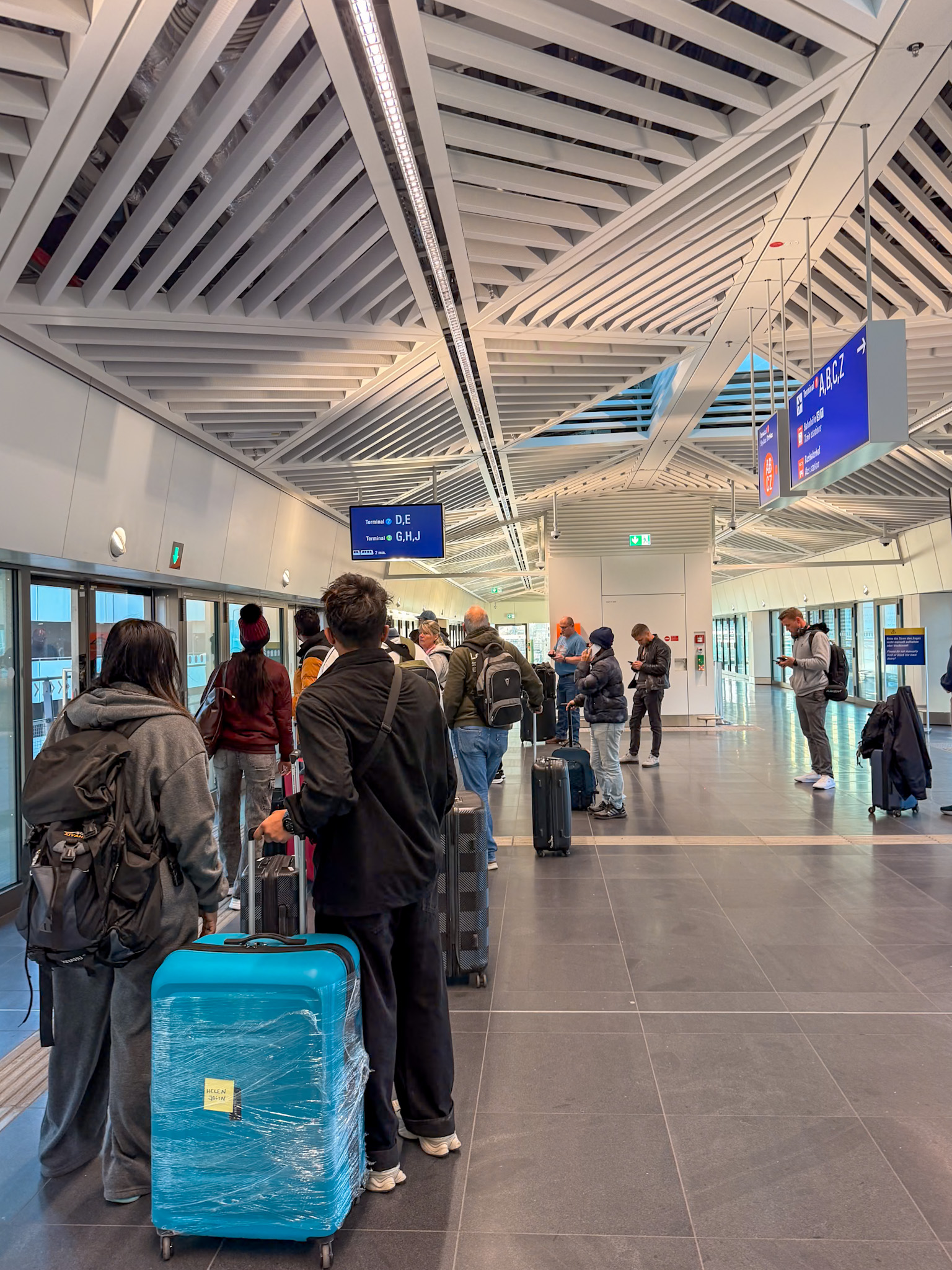

Spring (April–June)
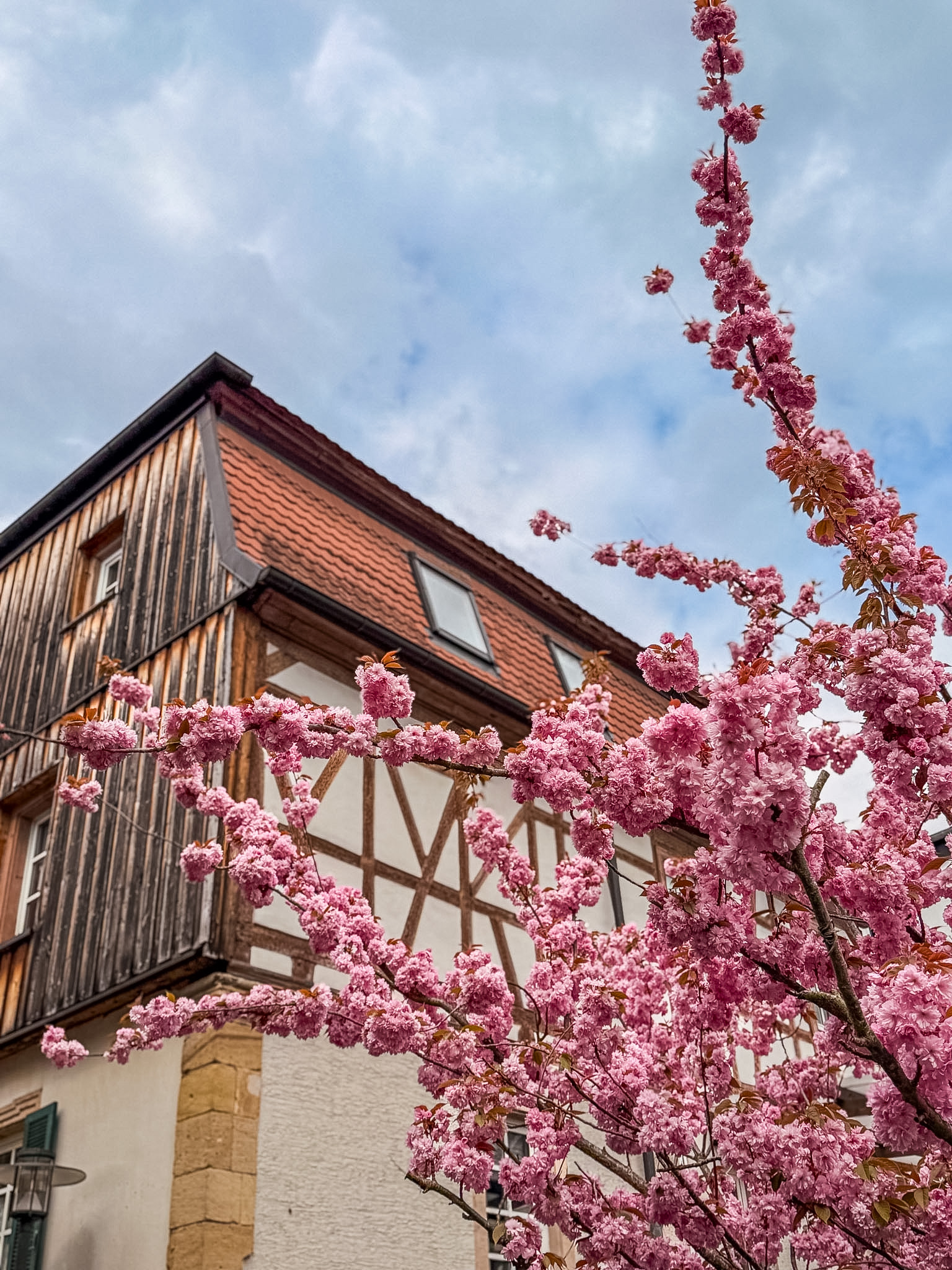
Mild temperatures and fewer crowds. Cities start to feel more active again, and outdoor areas open up. Good time for walking-heavy trips without peak crowds.
Summer (July–August)
Warmest weather and busiest season. Long daylight hours make it easy to fit a lot into each day. Popular areas and trains can get crowded, especially in Munich and along the Rhine.
Fall (September–October)
One of the best times to visit. Cooler weather, smaller crowds, and seasonal events like Oktoberfest in Munich. Good balance of activity and comfort.
Winter (November–March)
Colder, but Christmas market season (late November–December) is a major draw. Cities feel quieter outside of holiday weeks, and indoor activities become the focus.
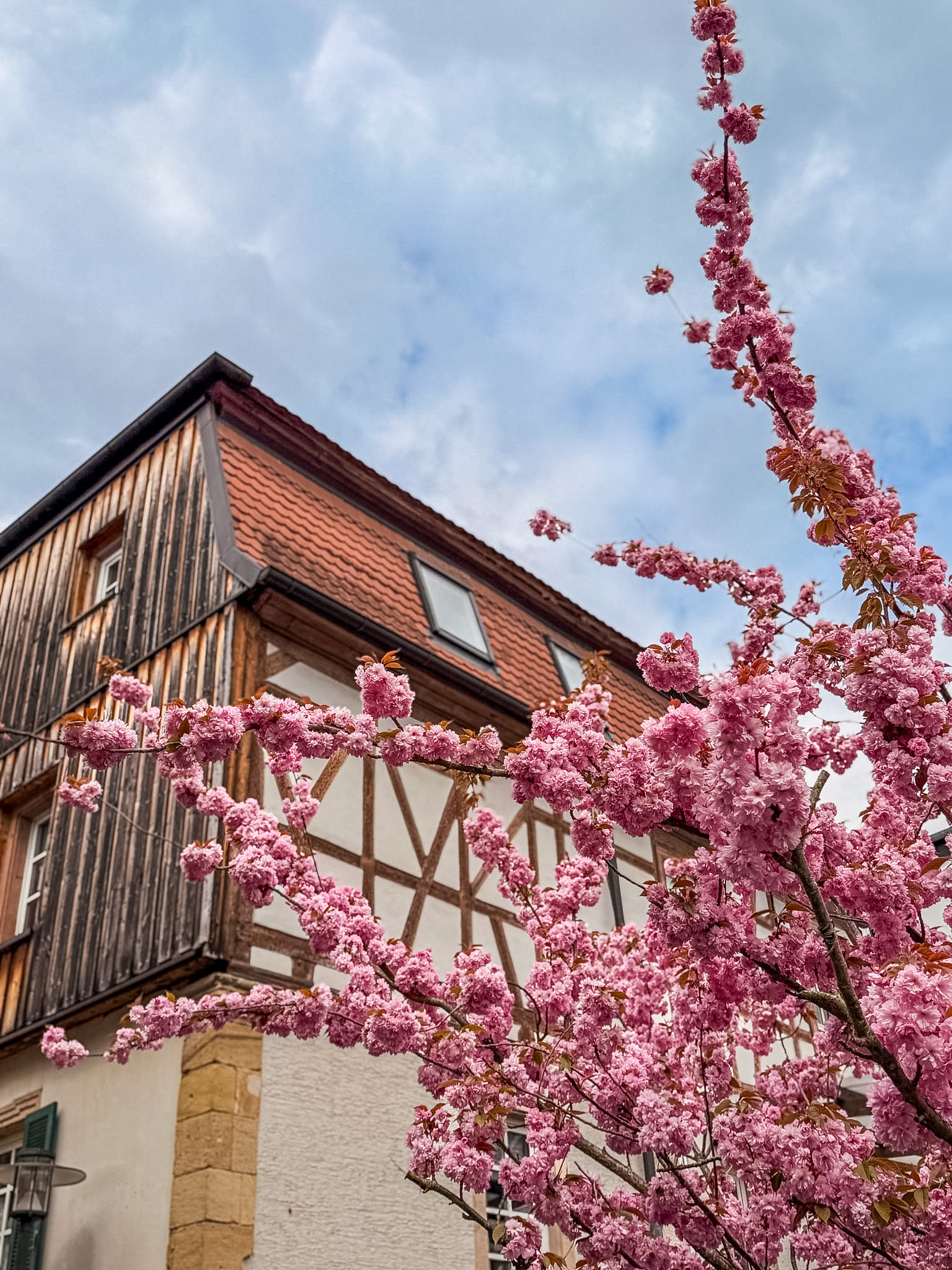
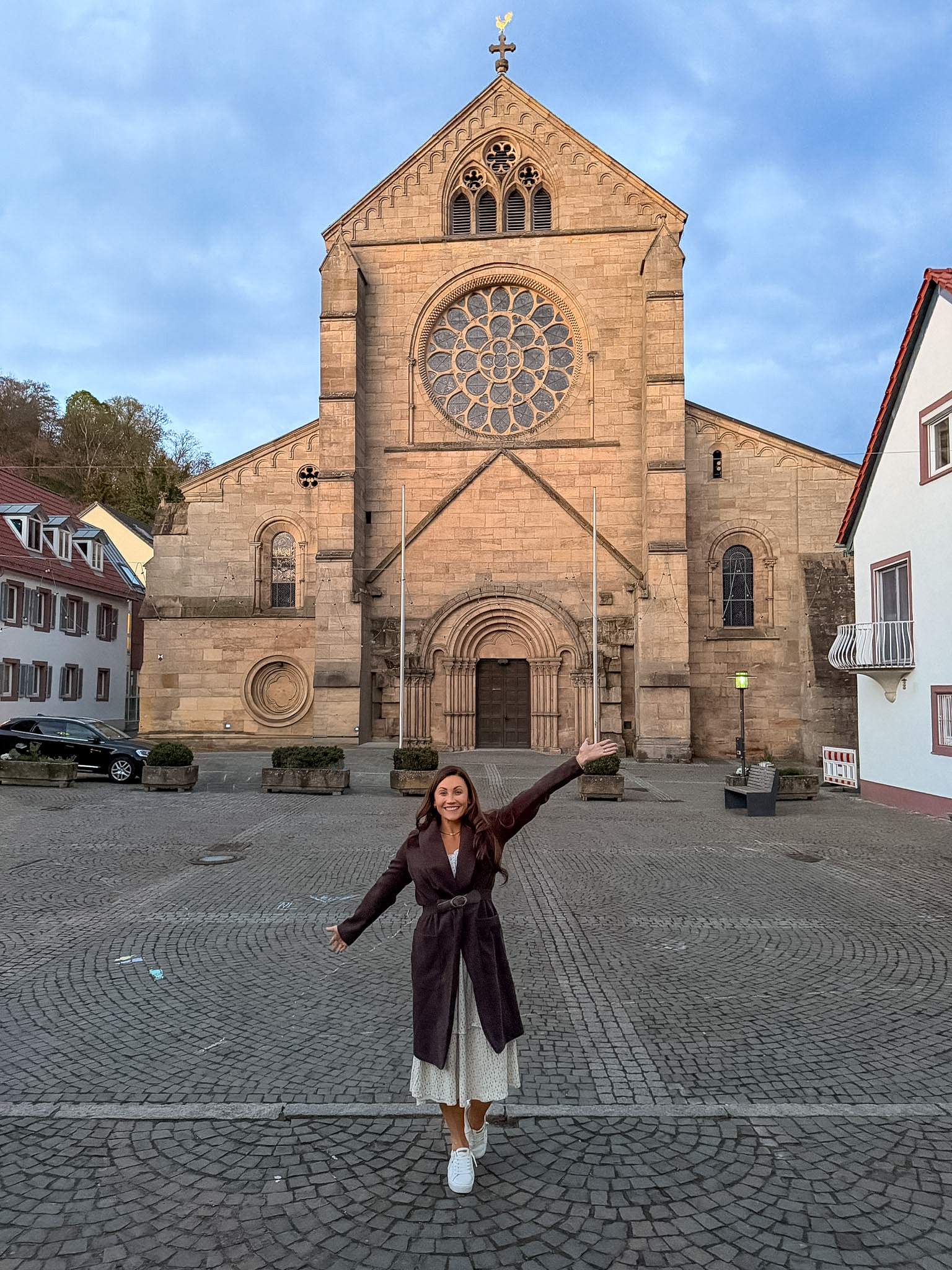
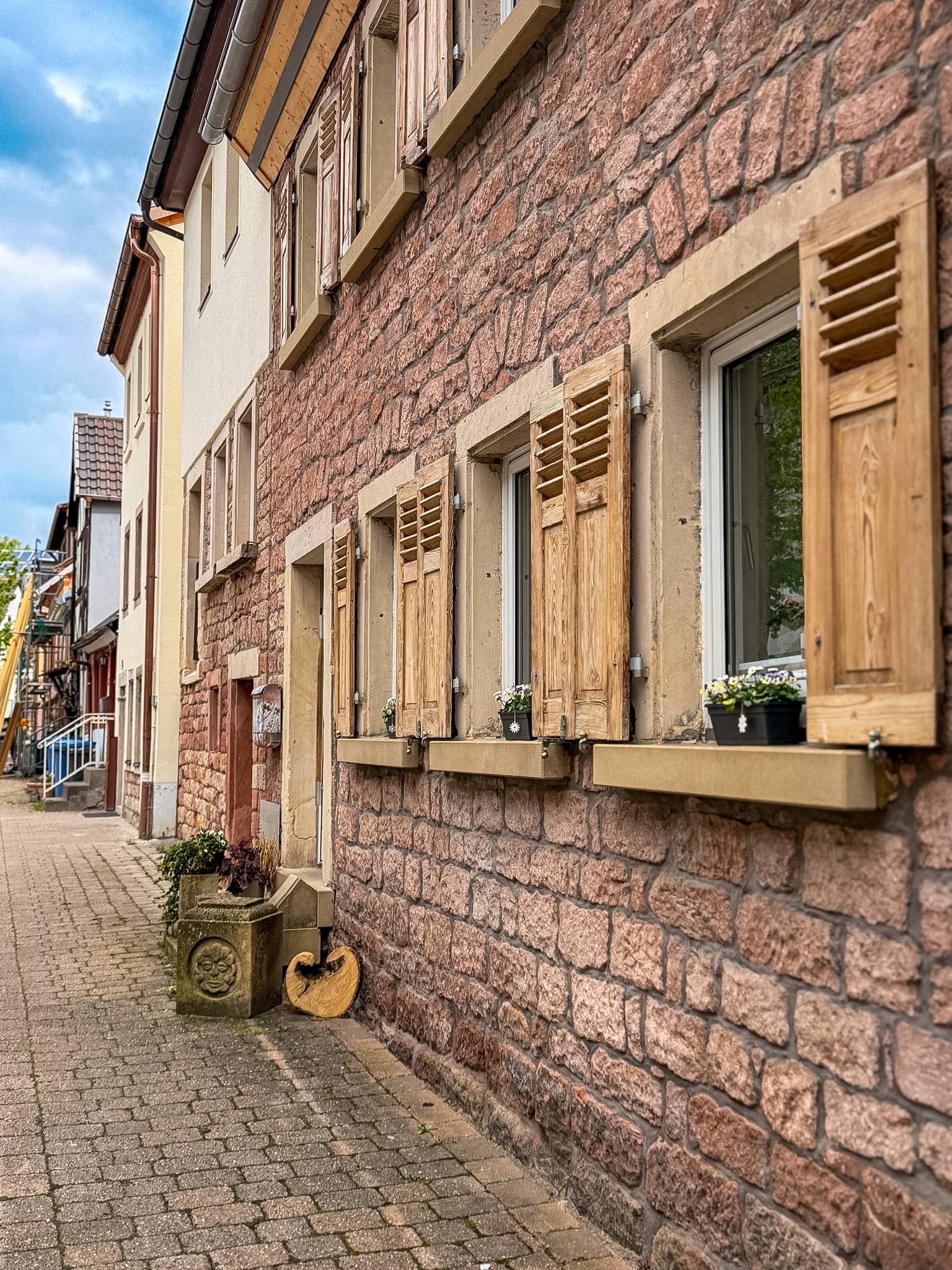
Visit major sites like the Berlin Wall, Brandenburg Gate, and Museum Island. The city is spread out, so plan to use public transportation between areas.
Walk through Marienplatz, step into traditional beer halls, and explore the surrounding region. Munich feels more organized and classic compared to Berlin, with a strong local identity.
One of Germany’s most recognizable landmarks, located in southern Bavaria. It’s about a 2-hour trip from Munich and requires advance planning, especially in peak season.
Known for castles, vineyards, and small towns along the river. You can explore by train, car, or river cruise with easy stops along the way.
Places like Rothenburg ob der Tauber have preserved town centers, walkable streets, and a slower pace that feels very different from the major cities.
If you’re visiting in winter, these pop up in city centers across the country with food, drinks, and local goods. Each one has a slightly different feel depending on the location.
Germany has several major international airports, and the best one depends on your itinerary.
Flights from the U.S. typically arrive overnight, landing in the morning.
Trains connect directly from major airports into city centers, so you usually don’t need a car right away.
Germany’s transportation system is one of the easiest in Europe to use.
Trains (Deutsche Bahn)
Fast, reliable, and connect almost every major city and region. High-speed ICE trains are efficient for longer distances.
Public Transportation (U-Bahn, S-Bahn, Trams)
Cities have well-connected systems that are easy to navigate. Tickets are time-based and often work across multiple transit types.
Driving
Renting a car is useful for exploring smaller towns or regions like Bavaria. The Autobahn has sections with no speed limit, but traffic rules are strictly followed.
Walking
Most city centers and smaller towns are very walkable once you’re there.
Power Outlets
Type C and F plugs (230V). You’ll need an adapter from the U.S.
Time Zone
Central European Time (CET), 6 hours ahead of Eastern Time
Cash vs Card
Credit cards are accepted in cities, but many smaller places prefer cash. It’s normal to carry some euros.
Tipping
Service is usually included, but rounding up or adding ~5–10% is standard.
Water
Tap water is safe to drink. Bottled water at restaurants is usually still or sparkling (and you’ll be asked which one you want).
Language
English is widely spoken, but basic German phrases are appreciated.
Basic phrases to know:
• Hallo — Hello
• Danke — Thank you
• Sprechen Sie Englisch? — Do you speak English?
Columbus hotel roundup because “just find something downtown” isn’t a strategy✈️
I stayed across the price spectrum on this one so I could actually compare notes. Hotel LeVeque is the splurge Art Deco lobby, marble bathrooms, and a restaurant (The Keep) worth visiting even if you don’t book a room. If you want to walk everywhere, Le Méridien puts you right in the Short North with murals and shops outside your door. And if budget’s the priority, Aloft gets you clean and modern near Ohio State without the markup.
Want a full escape from the city instead? Hocking Hills lodges and Gervasi Vineyard are both an easy drive out and worth the detour.
Not every hotel on this list is for every trip... that’s kind of the point. Full breakdown by neighborhood and budget, link in bio 🍂

Thousands of motorcycles, decades of history, and one very hot infield. 🏍️
I went into Mid-Ohio Vintage Motorcycle Days expecting a bike show. What I got was closer to a small town that pops up once a year camps stretched across the hills, swap meet tables piled with parts I couldn’t name, and bikes older than some of the people admiring them parked next to restorations that looked showroom-fresh.
Fair warning: this is not a quick stop. Give yourself the whole day, wear real shoes, and don’t skip the racing watching pre-war machines and modern superbikes share the same track is worth the sunburn.
Ohio keeps surprising me. Full recap on the blog link in bio. 🔗
$165 a person and no menu, you just show up and let them decide what happens to you for the next few hours.🥂
That’s Agni. Tasting menu called Midwest Nostalgia, built around childhood food references you’ll recognize by name and not recognize at all once they hit the table. There’s a version of a McDonald’s Happy Meal in there. The fry alone takes three days to make.
Not a quick dinner. Not for someone who wants to know exactly what’s coming. But if you like handing over control for a few hours and being a little surprised at every course, this is one of the most creative meals we’ve had in Columbus. Full review, cost breakdown, and reservation tips, link in bio.
Cincinnati photo dump— Streetcars, skyline views from across the river, a hotel that’s also a 24-hour art museum, chili you’ll either love or argue about, and a food tour that made me understand the city in one afternoon. We packed neighborhoods, murals, one splurge dinner, and an underground cocktail lounge into a few days and still didn’t run out of things to do.
It’s walkable, it’s affordable compared to most city breaks, and it doesn’t get the hype it deserves.
Everything’s linked in bio where we stayed, what we ate, and exactly how to plan your own trip 🍂
A hotel that’s also a free 24-hour contemporary art museum penguins included. We booked a Corner Suite at 21c and it was massive: separate bedroom, living room, dining area, 699 square feet to spread out in. The bathroom alone had a double vanity and custom Rookwood Pottery tile that made getting ready weirdly entertaining.
The location is downtown, two minutes from Fountain Square, walkable to Boca for dinner, and close enough to hop the free streetcar into Over-the-Rhine. If OTR is where most of your plans are, you might want to stay closer to that neighborhood instead downtown worked for us, but we spent more time in OTR than we expected to.
And yes, there’s a recycled-plastic penguin sculpture that will absolutely scare you the first time you open your door and forget it’s there. Link in bio for the full review rooms, parking, walkability, and everything else before you book 🎨

Follow @travelwithwendyplummer for Beautiful Beach Destinations, City Guides, Foodie Spots, and Luxury Hotel Recommendations.