
Driving in the Netherlands was honestly much easier than I expected. Before our trip, I had mentally prepared myself for stressful highways, aggressive city traffic, confusing road signs, and me accidentally ending up in a canal somehow. Instead, most of the driving felt calm, organized, and surprisingly straightforward.
Outside of the major city centers, driving in the Netherlands was actually one of the easiest European driving experiences I’ve had. The roads were well maintained, people followed the rules, and GPS handled most of the heavy lifting.
That being said, Amsterdam absolutely humbled me. Respectfully.
If you’re planning a Netherlands trip during tulip season or you want to explore smaller towns beyond Amsterdam, here’s what driving in the Netherlands was actually like for us, what surprised me, and what I’d do differently next time.
If you’re currently planning your route, my 5 Day Netherlands Tulip Itinerary: Keukenhof, Windmills & Tulip Fields and 7 Day Netherlands Tulip Season Itinerary: The Ultimate Spring Trip will probably help a lot because we used the car constantly throughout both trips.
We actually used my sister’s car because she lives in Germany, so we drove over from there instead of renting one ourselves.
That said, rental cars are very common in the Netherlands, especially from major airports. If you’re flying into places like Amsterdam or nearby airports in Germany, you’ll have no trouble finding rental car options.
One important thing to know before booking: manual cars are still very common in Europe.
In the United States, automatic cars are basically the default. In Europe, manual transmission vehicles are still extremely normal and are often cheaper to rent. If you can’t drive stick shift, definitely double check that you’re booking an automatic transmission before arriving at the rental counter.
Honestly, no. Most of the time it was very easy.
The highways were simple to navigate, traffic outside of the larger cities wasn’t bad, and Dutch drivers felt calm and predictable compared to what I expected. People actually used turn signals. Everyone seemed aware of cyclists and pedestrians constantly. It felt organized instead of chaotic.
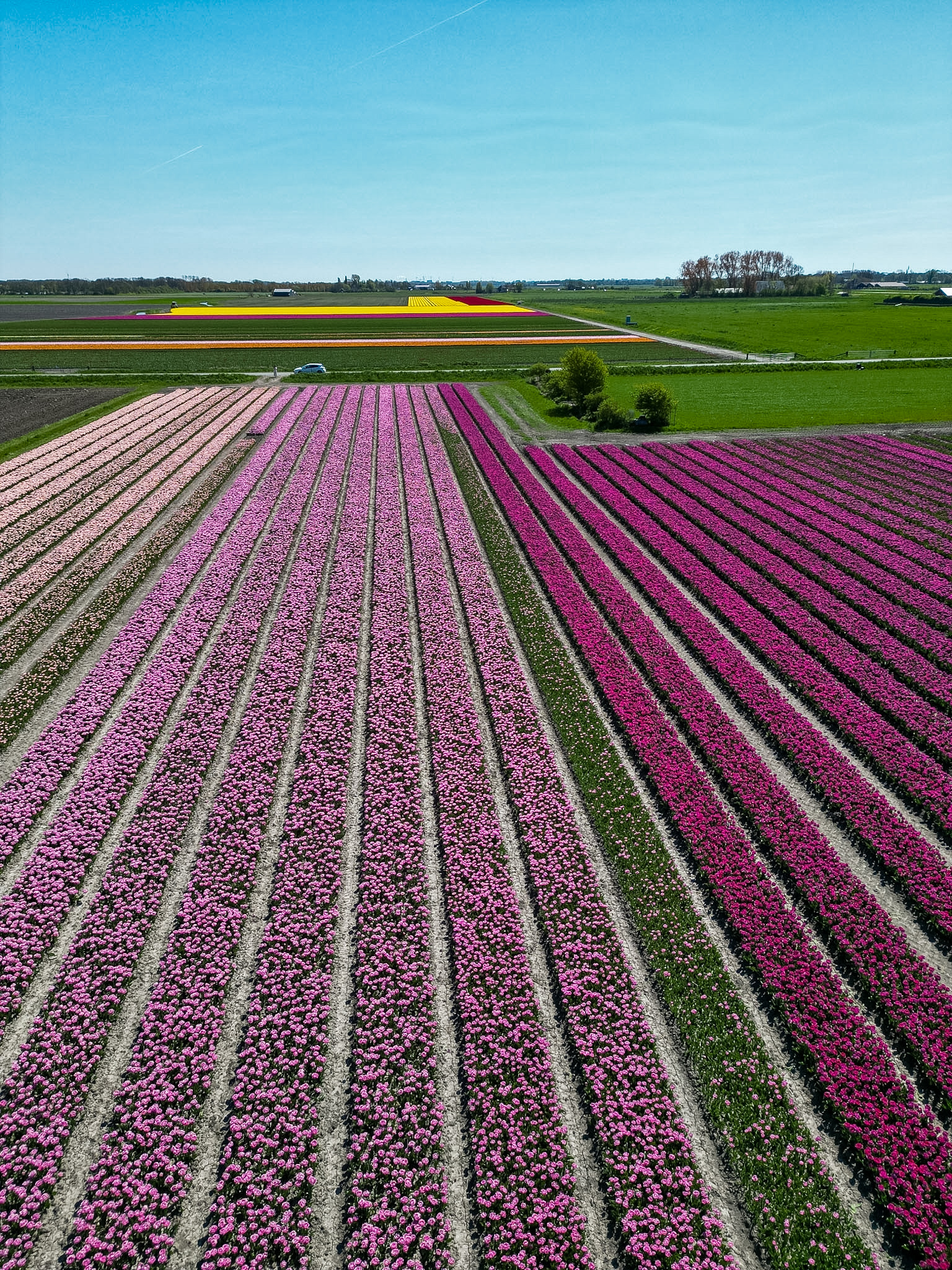
The tulip field areas especially were incredibly easy to drive through. Once we got outside the bigger cities, most of the roads felt low stress and scenic.
If you’re specifically planning a flower field road trip, my Best Tulip Field Driving Route in the Netherlands blog maps out the areas that were easiest and prettiest to drive through during tulip season.
The biggest adjustment for me was definitely the bikes.
Cyclists are everywhere in the Netherlands, especially in city areas. They move fast, they know exactly where they’re going, and locals are very used to sharing the road with them naturally. I constantly had to remind myself to check mirrors, crossings, and bike lanes before turning because cyclists usually have priority in many areas.
I would not recommend driving in Amsterdam.
We specifically used the park and ride system instead, which I think was the best decision for us. The second you get closer to central Amsterdam, things get significantly more chaotic.
Between the trams, bikes, pedestrians, narrow streets, canals, limited parking, and approximately 700 people confidently moving in different directions at all times, it just did not seem worth the stress to me.
We parked outside the city and used public transportation to get into Amsterdam instead, which made the experience so much easier.
If you’re planning an Amsterdam trip, I’d strongly recommend reading my How to Use Amsterdam Park and Ride (Cheapest and Easiest Way Into the City) guide because it saved us a lot of stress and money.
The highways in the Netherlands were honestly very easy to navigate.
Most signs are fairly straightforward, and once you have GPS running, it removes about 99% of the stress. I personally found Google Maps more accurate than Apple Maps while driving there, even though I’m usually an Apple Maps person at home.
Most major roads also felt extremely well maintained and clearly marked.
The only places that got a little confusing were some of the older towns with tiny streets, one-way roads, and tighter layouts. There were definitely a few moments where I questioned whether I was allowed to be somewhere or whether I had accidentally entered a bike lane. User error may have been involved there. (points finger at herself)
One thing that helped a lot during long driving days was having a portable phone charger because Google Maps was constantly running. My power bank basically became part of the dashboard setup by the end of the trip.
You absolutely do not need to become fluent in Dutch to drive in the Netherlands, but there were a few road words that were helpful to recognize on signs and parking garages.
Honestly though, figuring out that ‘Vol’ means the parking garage is full saved me a lot of confusion very quickly.
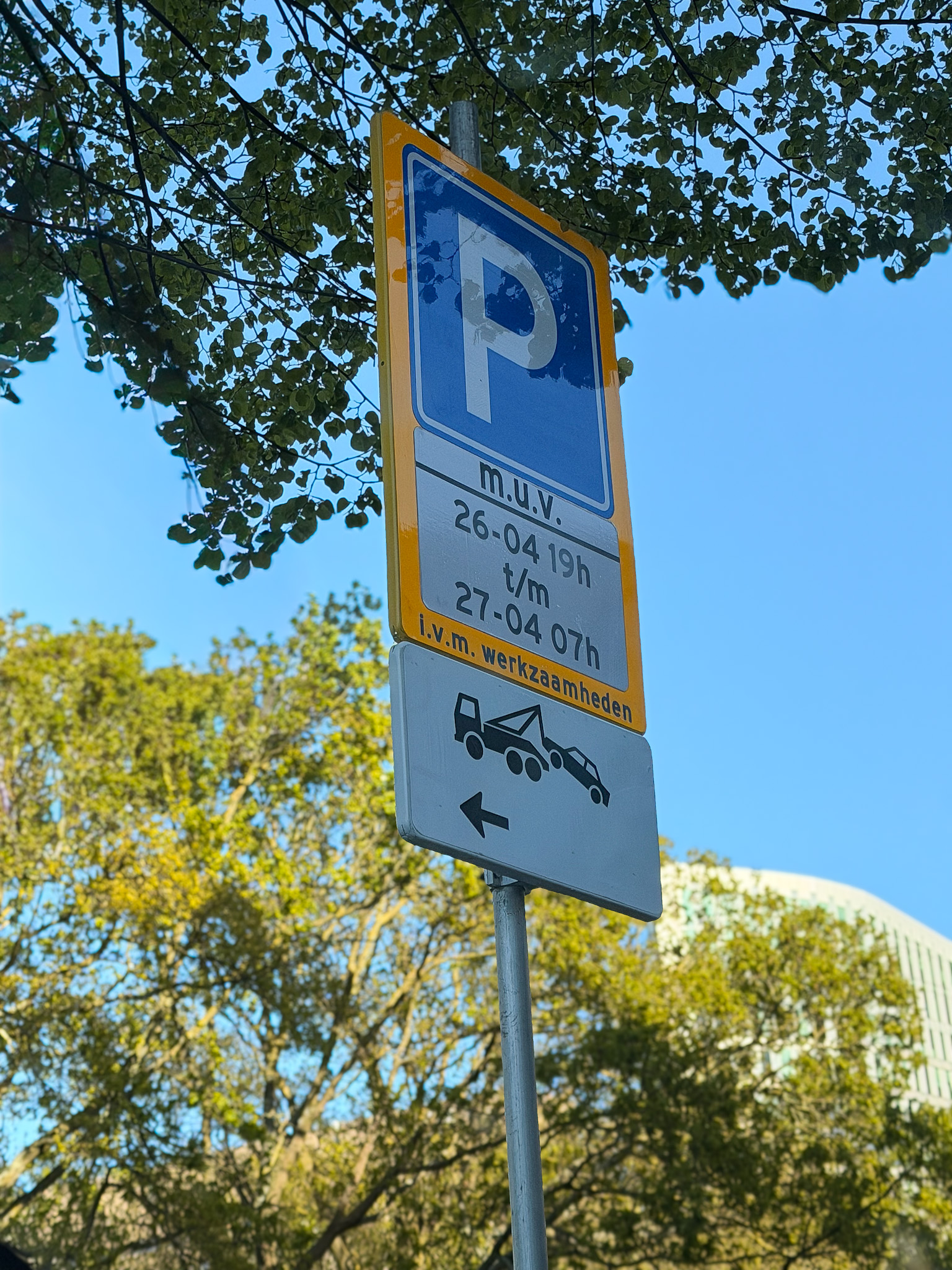
Parking was probably the most stressful part of driving in the Netherlands.
Outside of the cities, parking was easy. We specifically tried to book hotels that included parking, which made a huge difference and removed a lot of daily stress.
Inside the cities was another story.
Parking garages could be tricky to find, street parking was often full, and parking itself could get expensive pretty quickly. Some garages also use automated systems that can feel a little confusing at first if you’re unfamiliar with them.
Delft was probably the place where we struggled with parking the most. I wouldn’t avoid going there because of it, but next time I would absolutely plan parking ahead of time before driving into the city instead of trying to figure it out while actively navigating traffic.
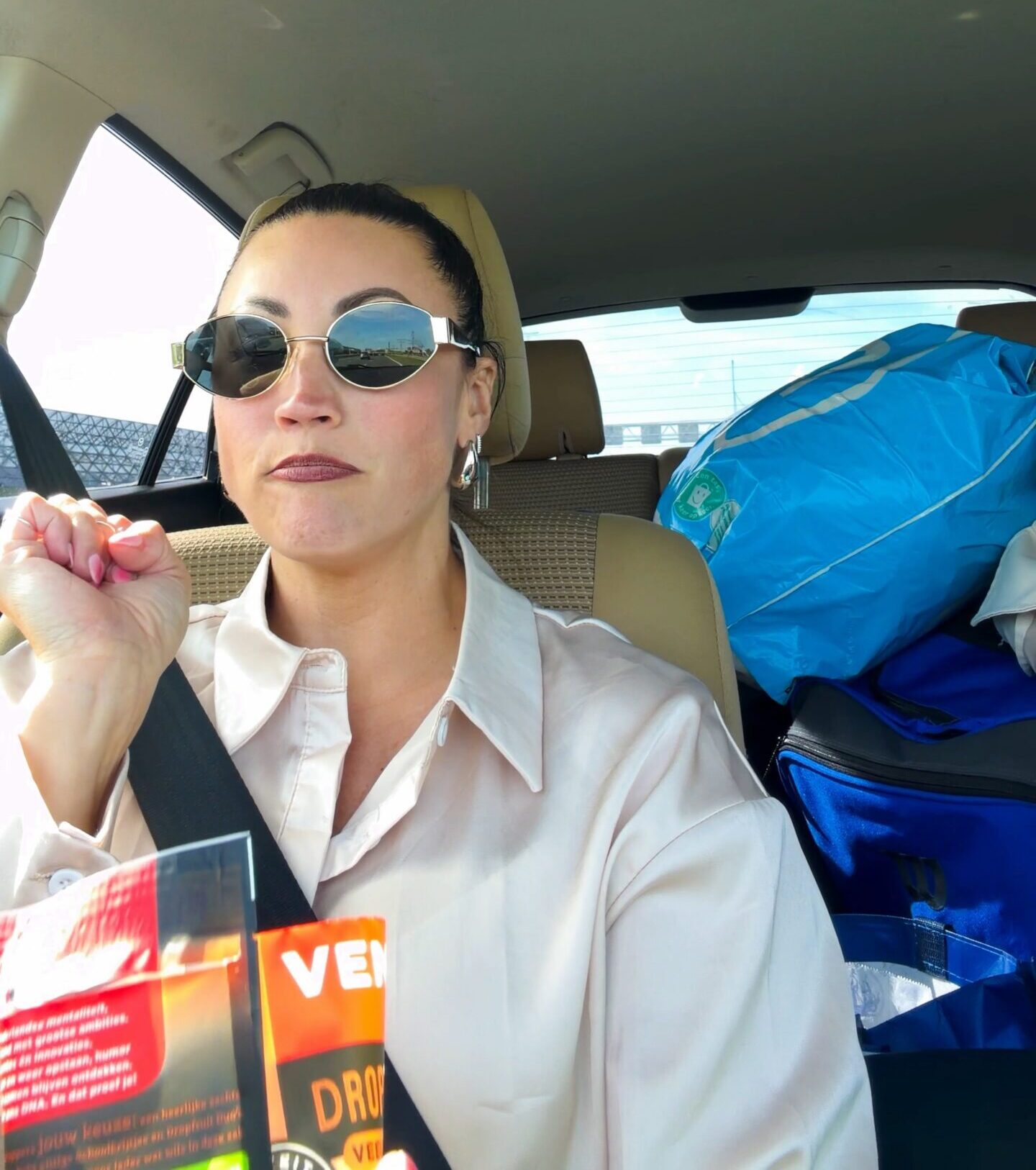
One thing I was not fully prepared for was how narrow some roads and parking garages would be.
Dutch drivers somehow navigate tiny streets lined with canals, bikes, parked cars, pedestrians, and approximately three inches of remaining clearance like it’s completely normal.
Meanwhile, I was gripping the steering wheel trying not to become an accidental canal attraction.
Some of the older towns especially had very tight roads and one-way systems that took a little getting used to. Once you adjust mentally, it becomes easier, but the first couple days definitely kept me alert.
Yes. Completely.
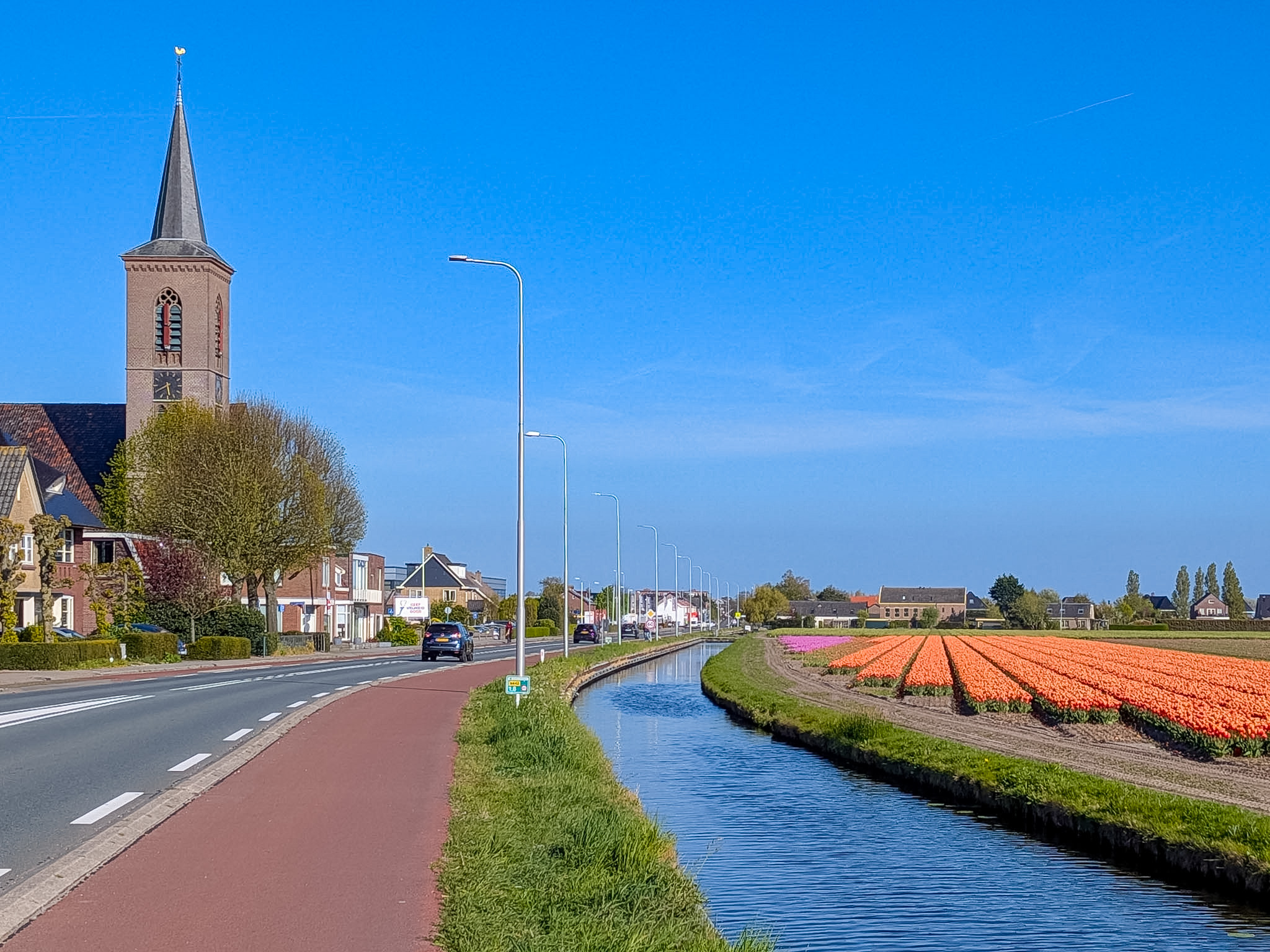
For tulip season specifically, I honestly think having a car is almost a must if you want flexibility.
Having a car allowed us to visit multiple tulip field areas, smaller towns, flower farms, bakeries, viewpoints, and restaurants without constantly planning train schedules or walking routes. We could simply park near where we needed to go and continue our day.
The tulip field areas outside Alkmaar were especially easy to drive through. Those areas felt peaceful, low stress, and very manageable even for tourists.
Without a car, I think we would have seen significantly less during the trip.
If you’re planning a tulip season road trip, my Best Tulip Field Driving Route in the Netherlands guide covers some of the prettiest areas we drove through and can help you map out your route.
Save this for later on Pinterest so you don’t forget it.
For most of the Netherlands, yes.
Having a car gave us a lot more freedom to move around efficiently, especially during tulip season when we were constantly bouncing between different towns and flower field areas.
The only exception for me would still be Amsterdam. I would absolutely use trains, trams, or the park and ride system there again instead of driving directly into the city.
Every other area we visited felt manageable with a car.
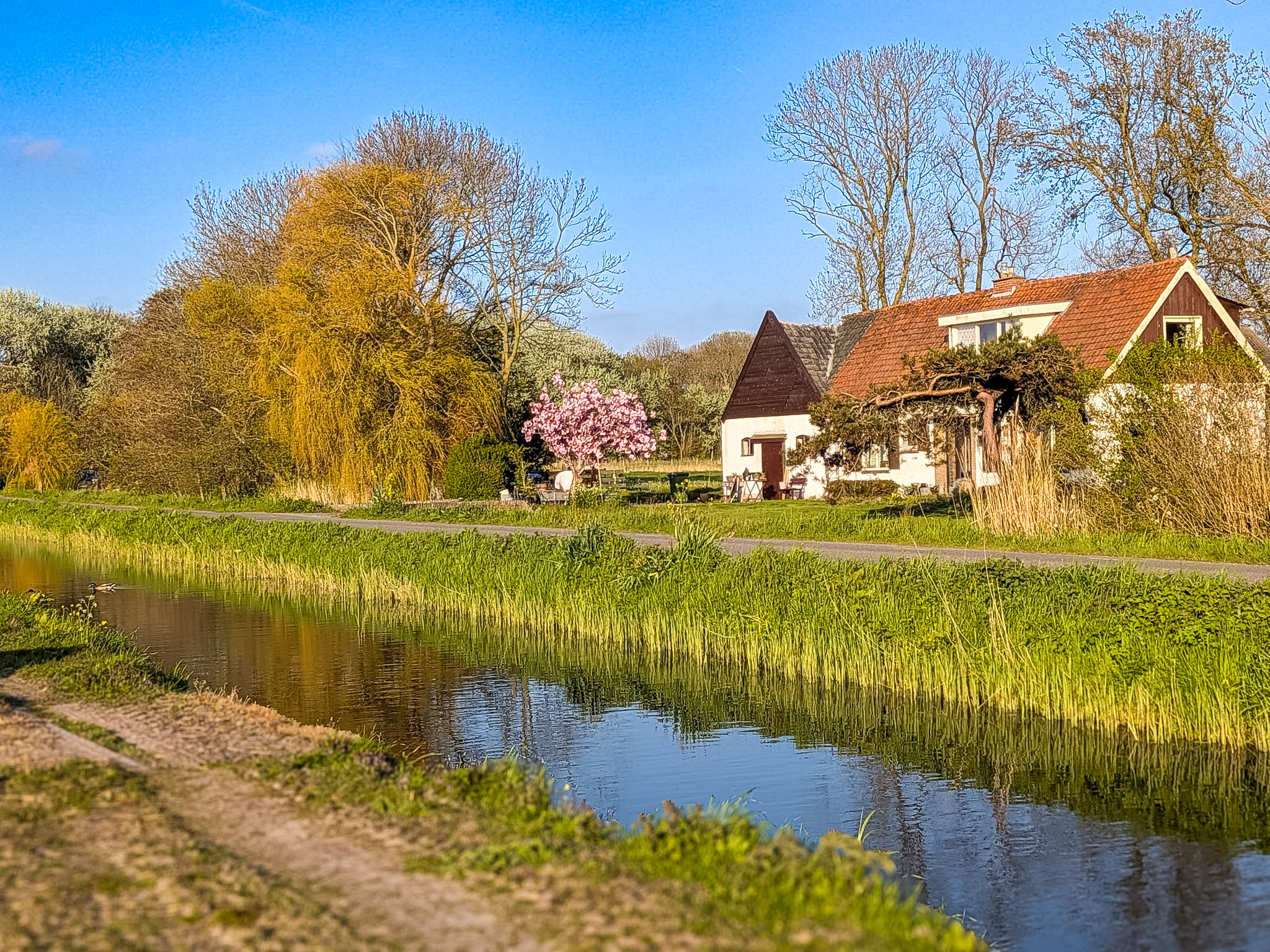
Honestly, having the car also made it easier to casually stop in smaller towns we probably would not have visited otherwise like Haarlem, Gouda, Heemskerk, and Delft.
Honestly, having the car also made it easier to casually stop in smaller towns we probably would not have visited otherwise. Delft was one of our favorite stops, and you can read more in my Best Things to Do in Delft Netherlands guide.
The biggest thing I would change next time is planning parking ahead of time before entering cities.
Trying to search for garages while actively driving through unfamiliar streets became stressful fast, especially in areas with bikes, one-way roads, and limited parking availability.
I’d also probably continue avoiding driving directly in Amsterdam because honestly I feel no need to test my luck there.
Overall though, driving in the Netherlands ended up being far easier than I expected. Outside the major city centers, it felt organized, calm, and surprisingly tourist-friendly.
Just watch for bikes. Seriously. The cyclists are elite athletes over there.

YES is always the answer... ✈️
I’m Wendy, and yes, I travel for a living (still pinching myself). After 15 years teaching middle school math, I traded the whiteboard for a passport and never looked back. Knoxville is home base, but Arizona sunsets are on another level, and if it’s been sitting on your list, this is your sign to finally say yes and book it. City guides, hotel reviews, and foodie spots are all on the blog. So glad you’re here 🌵☀️

A café, bakery, market, and wine shop all in one Phoenix stop 🍊
At La Grande Orange, order the crepes first, they’re the thing I’d go back for. The chicken salad sandwich is perfect if someone wants lunch while you’re still on breakfast, and the red velvet mini cupcake and a chai latte round it out. The sea salt chocolate chip cookie is heartier than gooey, so it’s best for dunkers. It’s counter service with easy parking, and the market has quirky gifts you won’t find elsewhere. Leave time to browse, because you’ll stay longer than planned.
Save this for your Phoenix trip ☀️
“Outside Terminal 3” is not a pickup location at PHX.
Before your driver pulls in, text them four things: your terminal, north or south side, door number, and inner or outer curb. Grab your bags first, then call them in. Drivers can wait free in the cell phone lot instead of circling. Getting through security is easy; getting picked up is the hard part.
Save this for your Phoenix trip ✈️
Come for the architecture, stay for the view.
The Chapel of the Holy Cross has been built into Sedona’s red rocks since 1956. The outside overlooks get busy, but inside is quiet, with huge windows framing the rocks. It’s free, takes 30-45 minutes, and has a paved, wheelchair-accessible ramp. Make sure to bring water in summer.
Save this for your trip planning!
Order it well done. Trust me.🍑🍕
Peach & Pancetta Pizza at Hideaway House in Sedona: roasted peaches, salty pancetta, ricotta, basil, extra-crispy crust. Split the house salad, grab a prickly pear lemonade, and get a patio table facing the red rocks. Skip the bread if you want room for another slice.
Save this for your Sedona trip✈️

Follow @travelwithwendyplummer for Beautiful Beach Destinations, City Guides, Foodie Spots, and Luxury Hotel Recommendations.