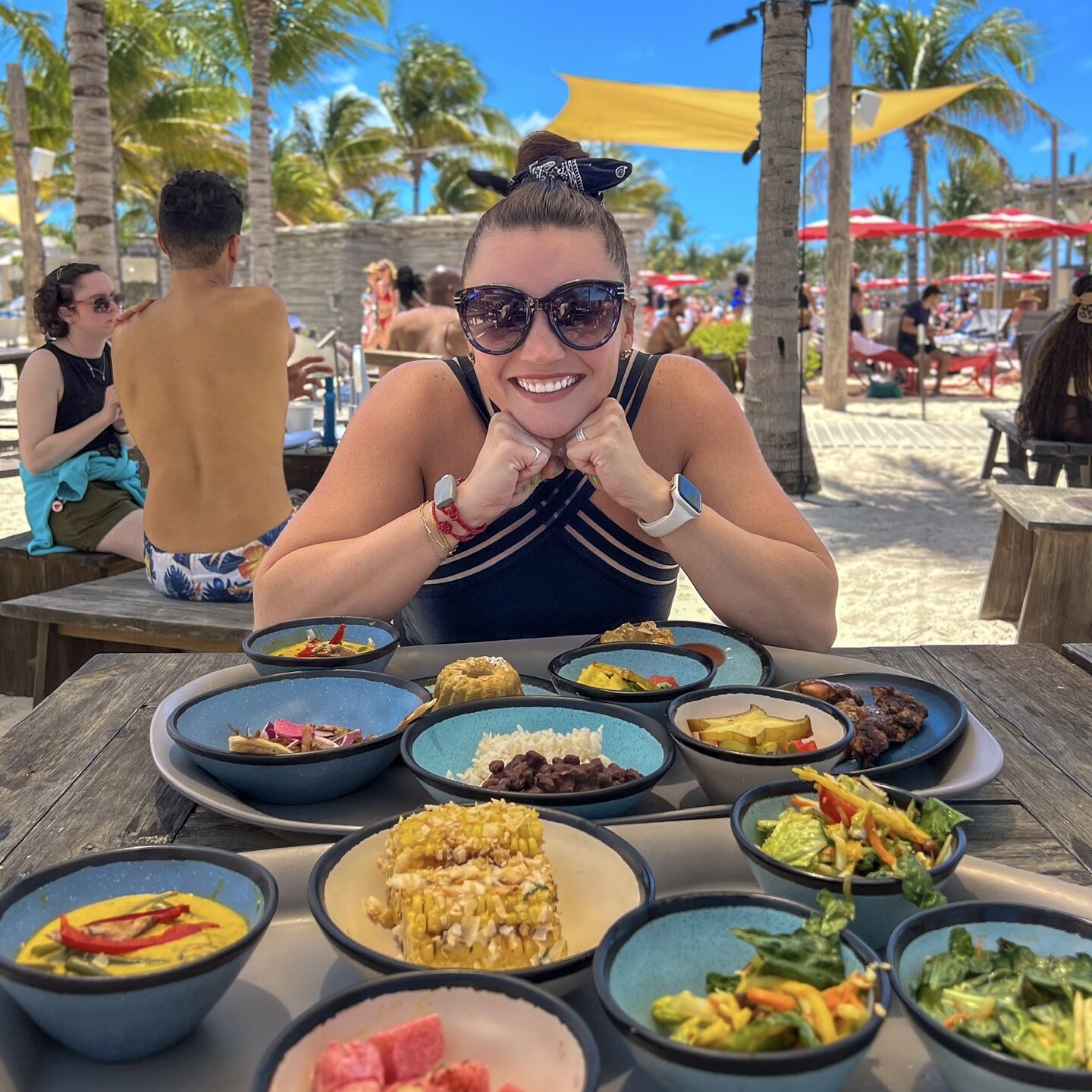
If you’re trying to figure out the best time to visit Curaçao, here’s the honest answer: there isn’t a bad time, but there is a better time depending on what you care about. I’ve gone during peak season and the “rainy” season, and they felt completely different in ways I didn’t expect. I went in thinking peak season would automatically win, and that’s not how it played out.
I checked the weather before both trips expecting big differences, and it stayed pretty consistent the entire time. Temperatures sat in the high 70s to mid 80s, and there was always a breeze when I was outside, which made a full beach day feel manageable instead of miserable.
I also planned both trips without worrying about hurricanes, since Curaçao sits outside the main hurricane belt. That alone made booking flights through Skyscanner feel a lot less like a gamble.
If you want a full breakdown of how to plan your trip around weather and logistics, check out my Curaçao Travel Guide for First-Time Visitors.
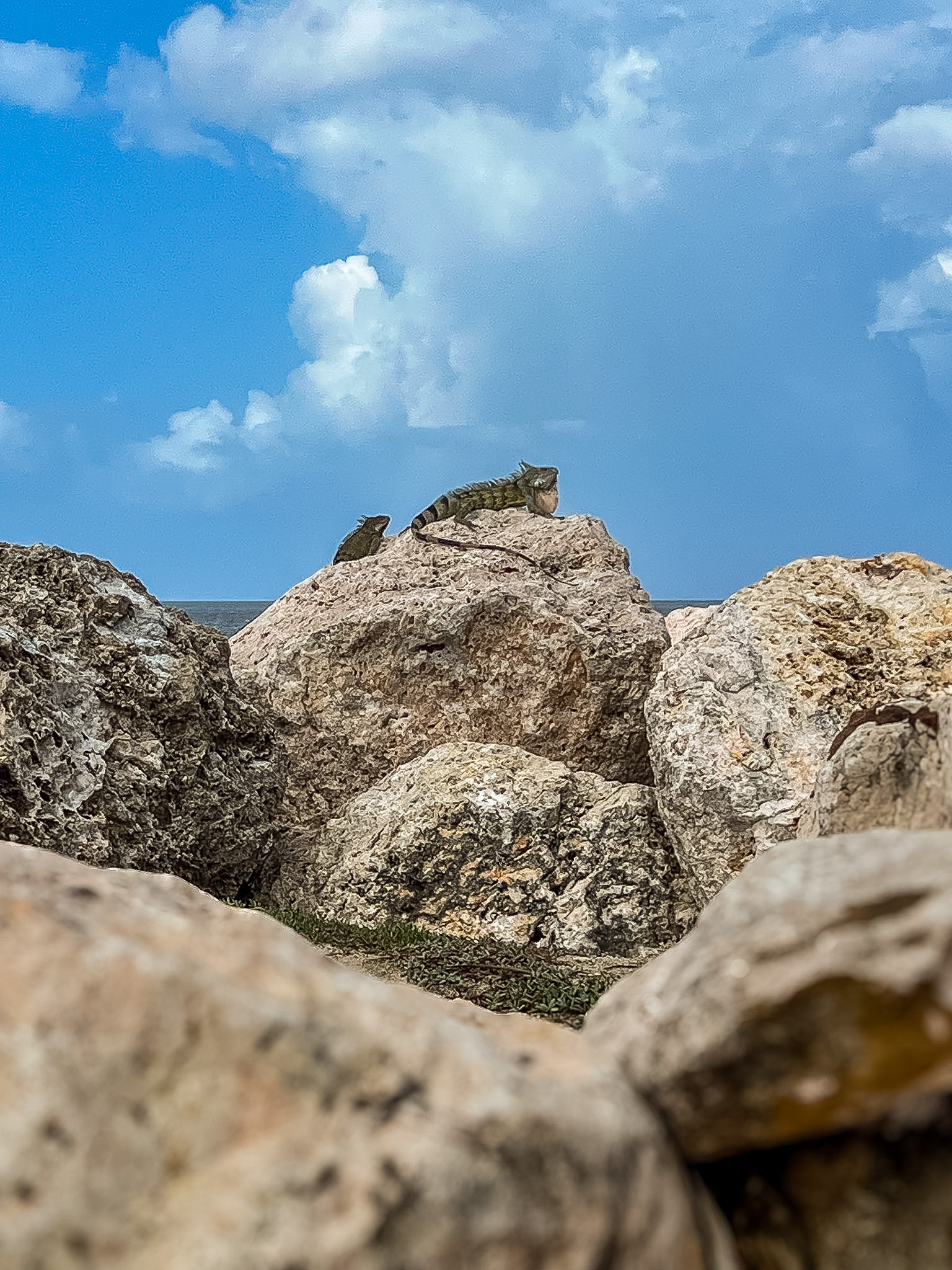
I went in January expecting perfect weather every single day, and for the most part it was sunny and exactly what you picture. It did rain a little though, which I didn’t expect, but it passed quickly and didn’t affect anything I had planned.
I spent a lot of time in the water that trip, and that’s when I noticed the bigger difference. The ocean felt cooler than I thought it would, so I kept getting in and out instead of staying in for long stretches.
I rented a car for that trip and drove all over the island, which made it easy to switch beaches whenever I felt like it.
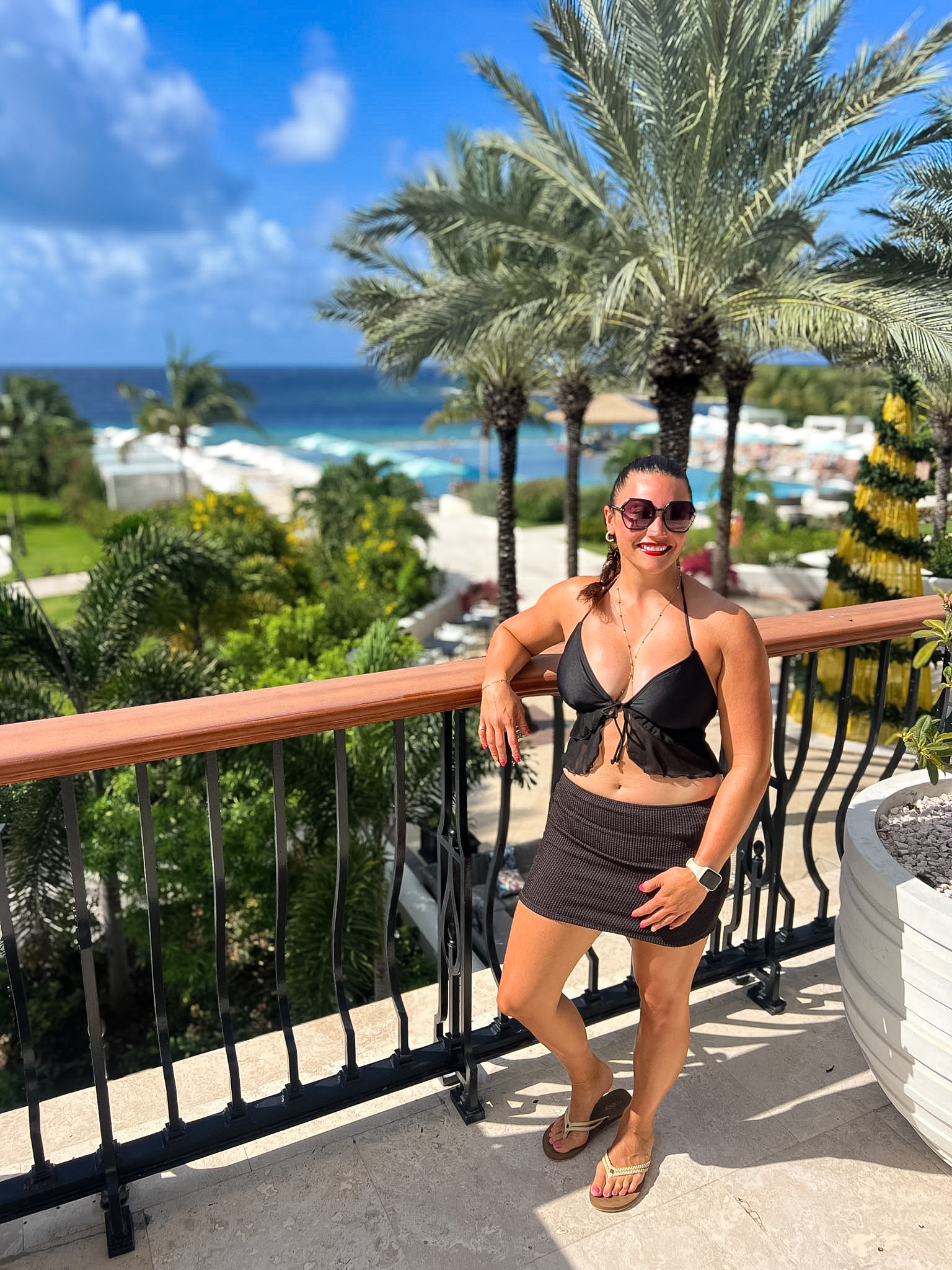
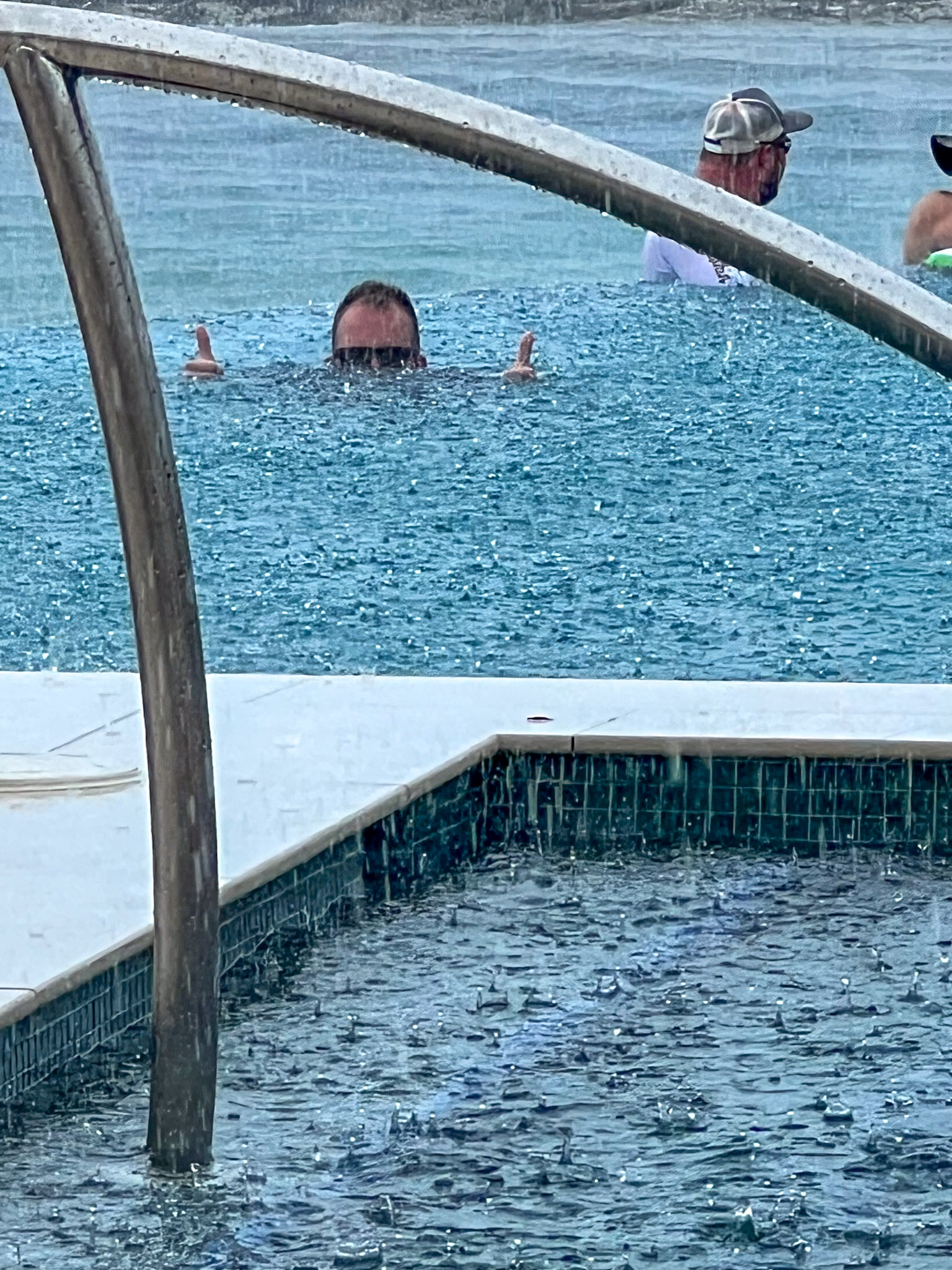
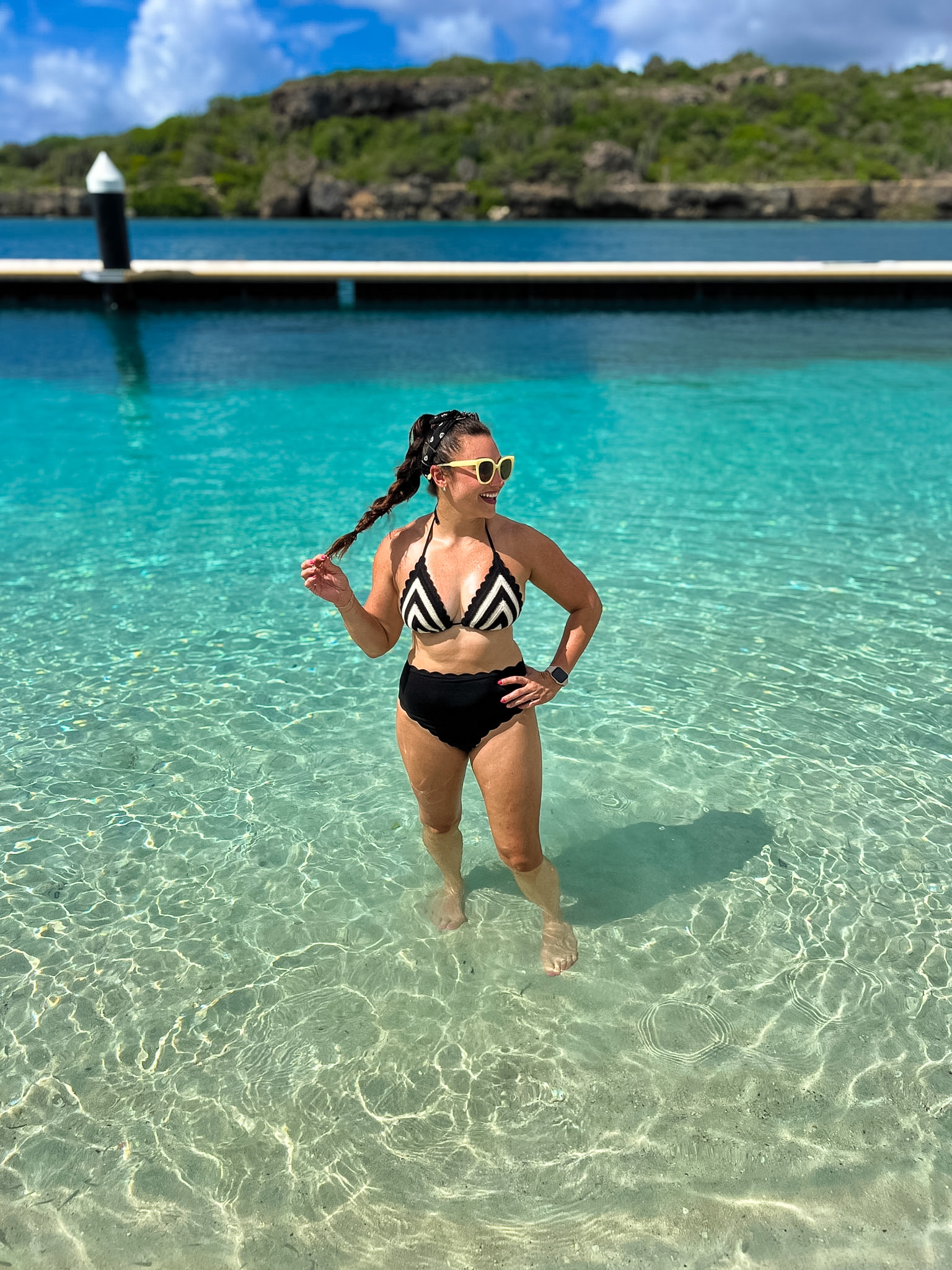
I spent most of that trip in the water, and this is where everything changed. The weather was hotter, so the ocean actually felt warm instead of slightly cool, and I stayed in way longer without even thinking about it (this alone sold me).
I kept my phone and essentials in a dry bag while I was swimming, so if it rained I didn’t have to worry about it and didn’t need to keep going back to my chair.
Save this for later on Pinterest so you don’t forget it
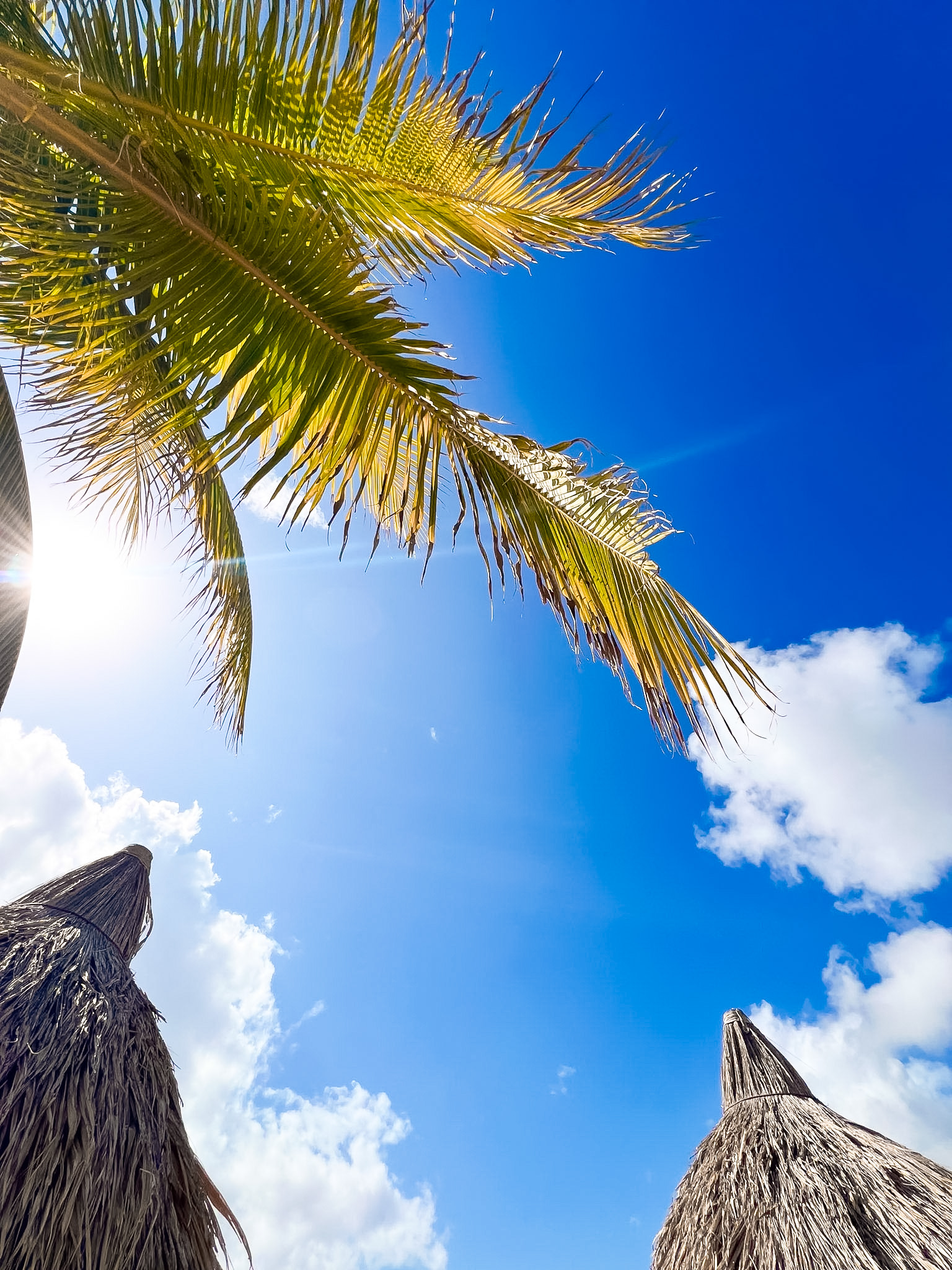
I booked my November trip hoping for better prices, and it worked out exactly how I wanted. Hotels were cheaper, and I had way more flexibility instead of feeling like I needed to lock things in early.
I stayed in different areas across trips, and having more availability made it easier to try new places instead of just taking whatever was left. If you’re figuring that part out, see my Where to Stay in Curaçao (Best Areas + Hotels).
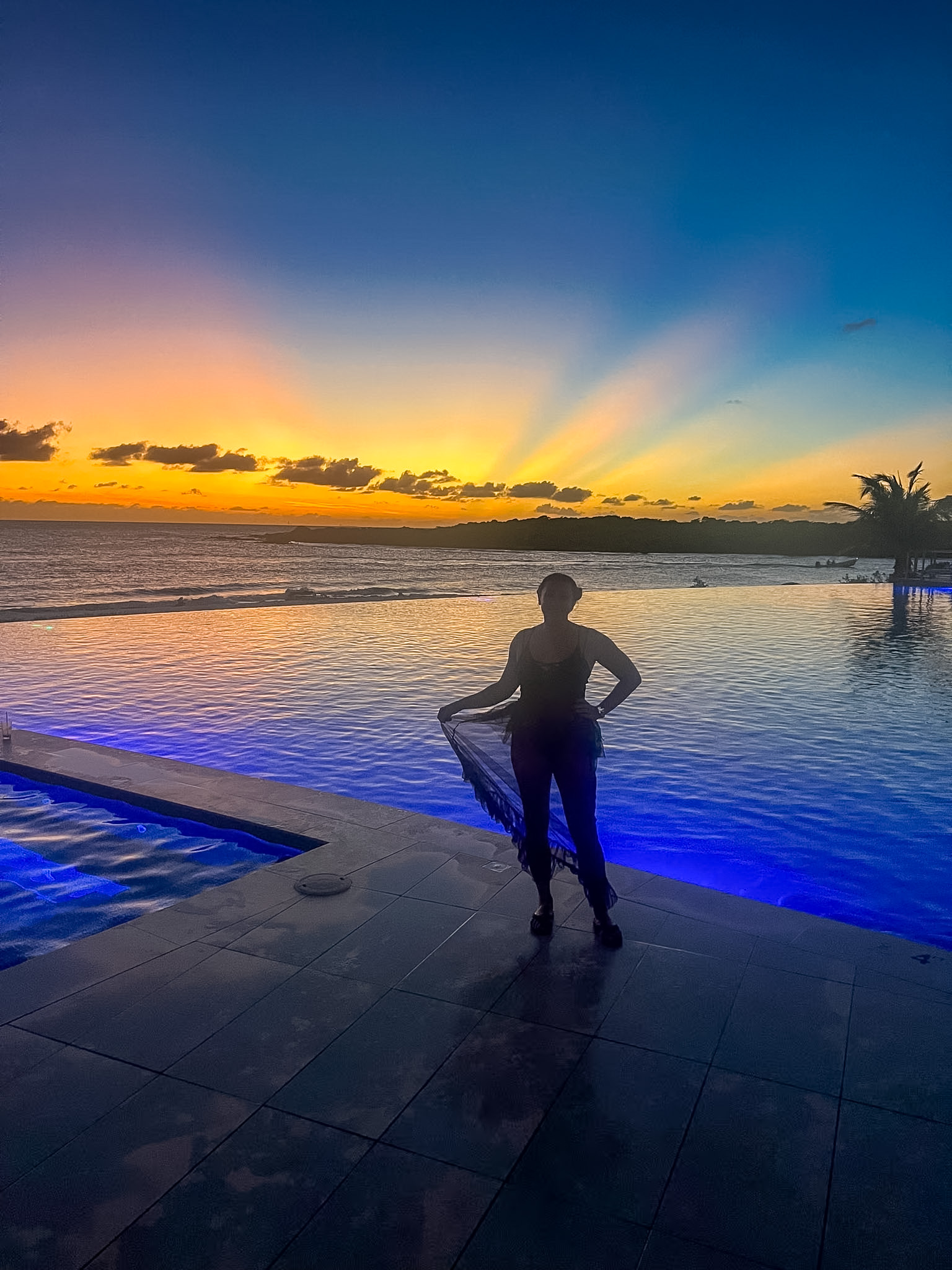
I traveled around in January and November, and neither trip felt packed, but January was definitely a little busier. It wasn’t enough to ruin anything, just something I noticed when comparing the two.
I planned one of my trips right after the holidays and made a mental note to avoid Christmas, New Year’s, and Spring Break next time. Those are the only times I’d expect it to feel noticeably crowded based on what I saw.
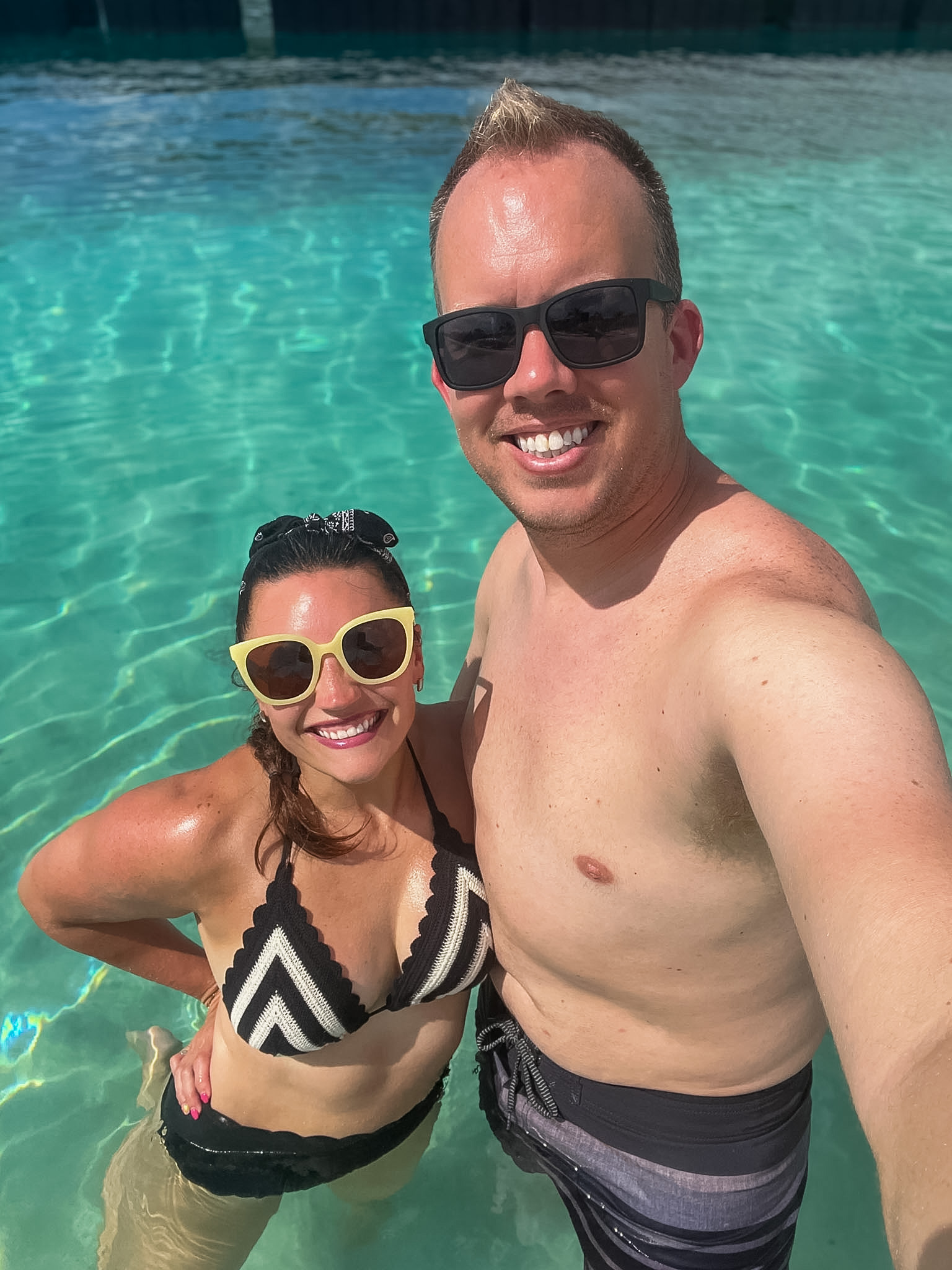
I went into this thinking peak season would be the obvious choice, and I ended up liking November more. The warmer water made a bigger difference than I expected, especially since most of my days revolved around the beach.
If you want slightly cooler temps and that peak-season feel, January through April makes sense. If you want hotter weather, warmer ocean water, fewer people, and better pricing, May through November lines up better.
I’d personally go back in November again without even debating it (I guess you could say I got tide to that timing).
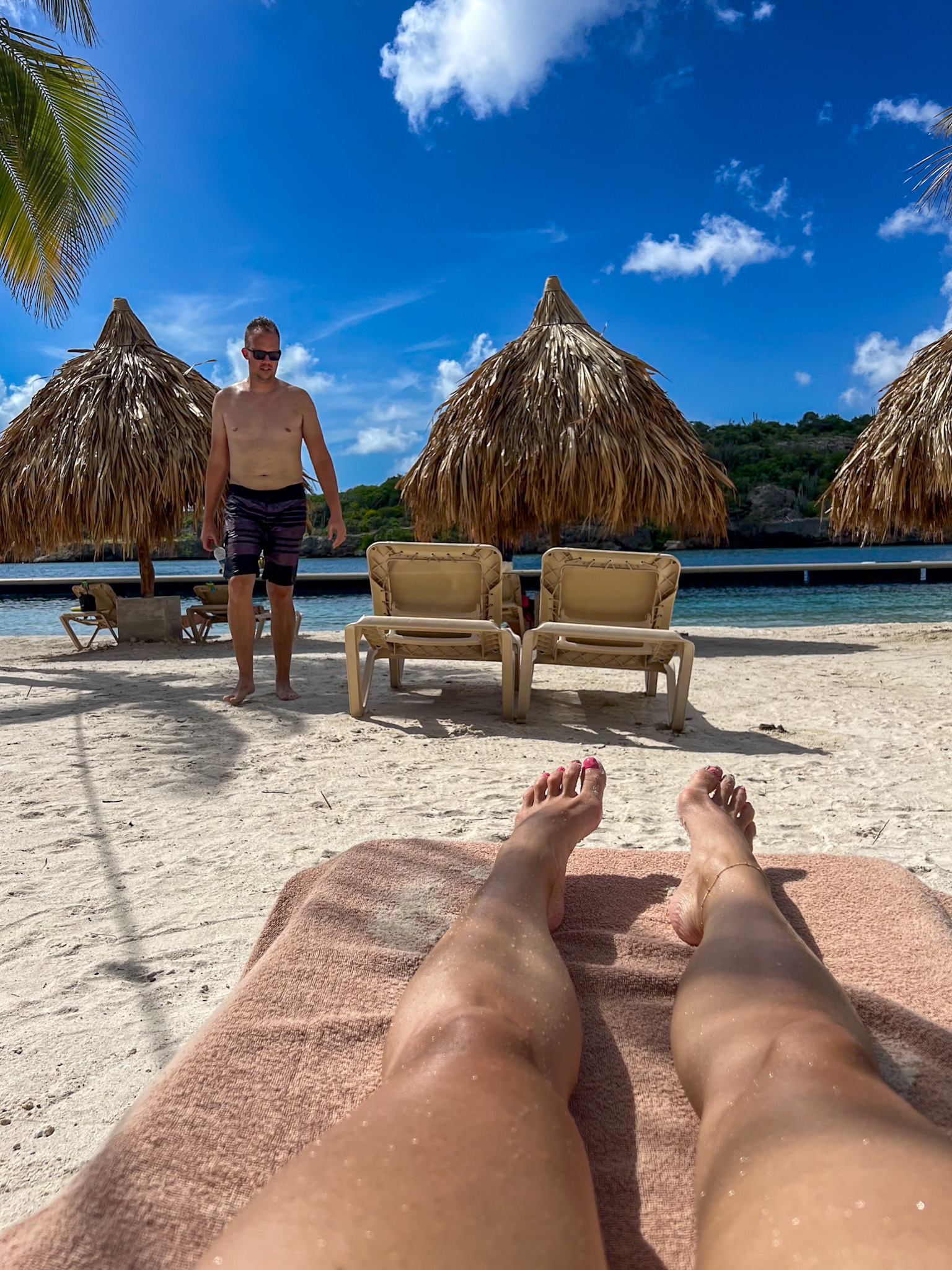
I planned both trips around beach days, food, and moving around the island, and the weather stayed consistent enough that I didn’t have to stress about timing everything perfectly. That made the whole trip easier to plan compared to other Caribbean islands I’ve been to.
I spent most of my time in the water across both trips, and that’s what ended up deciding it for me. Warmer water just made everything better, and I didn’t expect that to be the thing that mattered most.
If you’re already planning out what you want to do, my Best Beaches in Curaçao (with Map + Tips) will help you narrow it down.

Booked this Bryson City yurt for the ‘ber months and it’s already my top fall pick this year. 🍂
The Junaluska Yurt sleeps six but feels more like a stylish cabin than a yurt, two real queen bedrooms with actual doors, a full kitchen, and a private bathroom with a walk-in shower. Check-in is just a door code texted to your phone, no lobby, no waiting.
The real win is outside: wraparound porch, private fire pit, free firewood, a gas grill, and Smoky Mountain sunsets that stop you mid-sentence, picture all of that with October color on the ridgeline. Heads up, the last stretch in is a gravel road, so skip the low-profile rental, and there’s no restaurant onsite, you’re minutes from Bryson City, Dillsboro, and Sylva for dinner.
Two to three nights is the sweet spot. (We actually stayed in the dead of winter and it was still stunning, fall just takes it up a notch.) Full review linked in bio.

Italian food felt like the last thing I expected to find in the middle of the Appalachian Mountains... until I sat down at Ilda in Sylva.🍝
They call it Italian-Appalachian, and that’s not just a tagline. Homemade pasta, craft cocktails, local ingredients pulled straight from the mountains around it, this is the kind of meal that makes you forget you’re two hours from the nearest city. It’s cozy, it’s a little upscale, and it is not a walk-in kind of place, call ahead, because tables go fast on weekends.
It’s not cheap, and it’s not trying to be. But if you’re already making the trip out to Sylva, this is the one reservation worth planning your day around.
Full write-up, including what to order, link in bio.
Booked my fall cabin before September even started, and I’m not sorry about it. 🍂
These are the stays that make you actually want the cold to hurry up fireplaces, mountain views, the kind of porch you don’t leave. Not every one of these is going to fit every trip, but if a cozy fall getaway is on your radar, this is the roundup to start with.
One of my favorite travel seasons is almost here, and I have zero chill about it. 🍁✈️
There’s just something about fall trips cooler air, apple orchards, that first flannel of the season, food that actually makes sense with the weather again. I’m already mentally packing for it before September even starts.
If fall is your favorite time to travel too, tell me where you’re headed... I’m taking notes for the list.
Pack your bags... ✈️🧳My hiking and road trip gear shop just got a refresh, and this is everything that actually earns a spot in my bag. The dry bag pulls double duty for beach days and trail days, the Osprey backpack is the one I grab for anything motorcycle or day-hike related, and the GoPro comes with me literally everywhere at this point.
Nothing on this list is filler it’s all stuff I’ve used, packed, and repacked more times than I can count. Full shop linked in my bio if you want to build out your own kit before your next trip.

Follow @travelwithwendyplummer for Beautiful Beach Destinations, City Guides, Foodie Spots, and Luxury Hotel Recommendations.