If you are looking for a BRUTØ Denver review because you are trying to decide whether this Michelin-starred tasting menu is actually worth the price, the first thing to know is that this is much more than a fancy dinner with tiny plates. The entire tasting menu is built around food research, Colorado ingredients, fermentation, preservation, and techniques you probably are not using in your own kitchen.
It is also expensive. We spent around $400 for two people without adding a beverage pairing, so this is definitely a splurge.
But after eating through the full tasting menu, talking with the chefs, and learning what actually goes into these dishes, I thought it was absolutely worth it.
If food is a big part of how you travel, you may also want to read my DIY Denver Food Tour: Best Places to Eat in Denver Colorado while planning the rest of your meals.
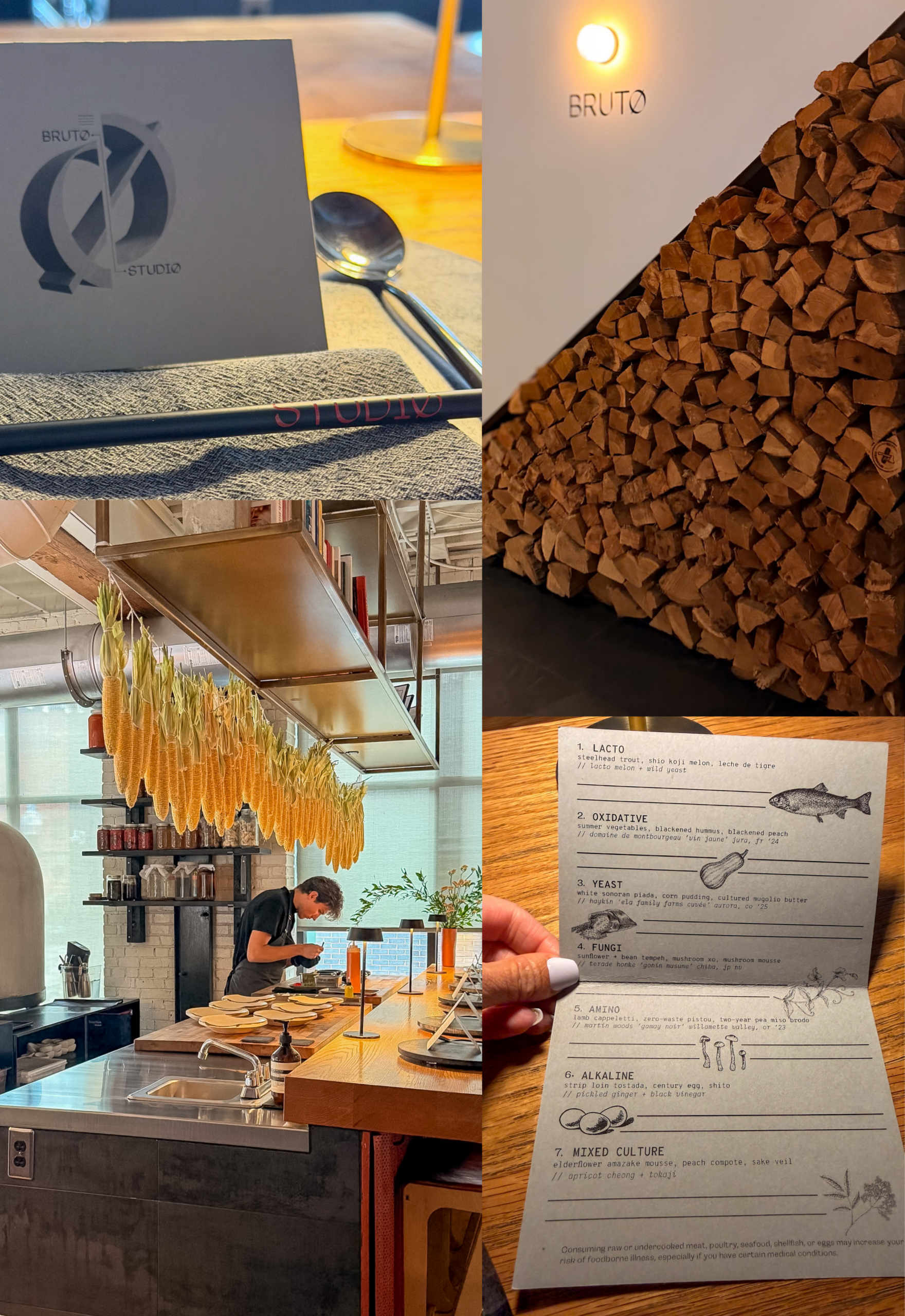
BRUTØ has always functioned almost as much like a research institute as a restaurant. The team studies food systems, ingredients, fermentation, preservation, and different cooking processes, with a strong focus on Colorado producers and purveyors.
About a year ago, they also opened a studio space next door that essentially works as their laboratory. This is where they experiment with fermentation, preservation techniques, and other food processes that eventually show up throughout the BRUTØ tasting menu.
You get a small preview of that research before the meal even begins.
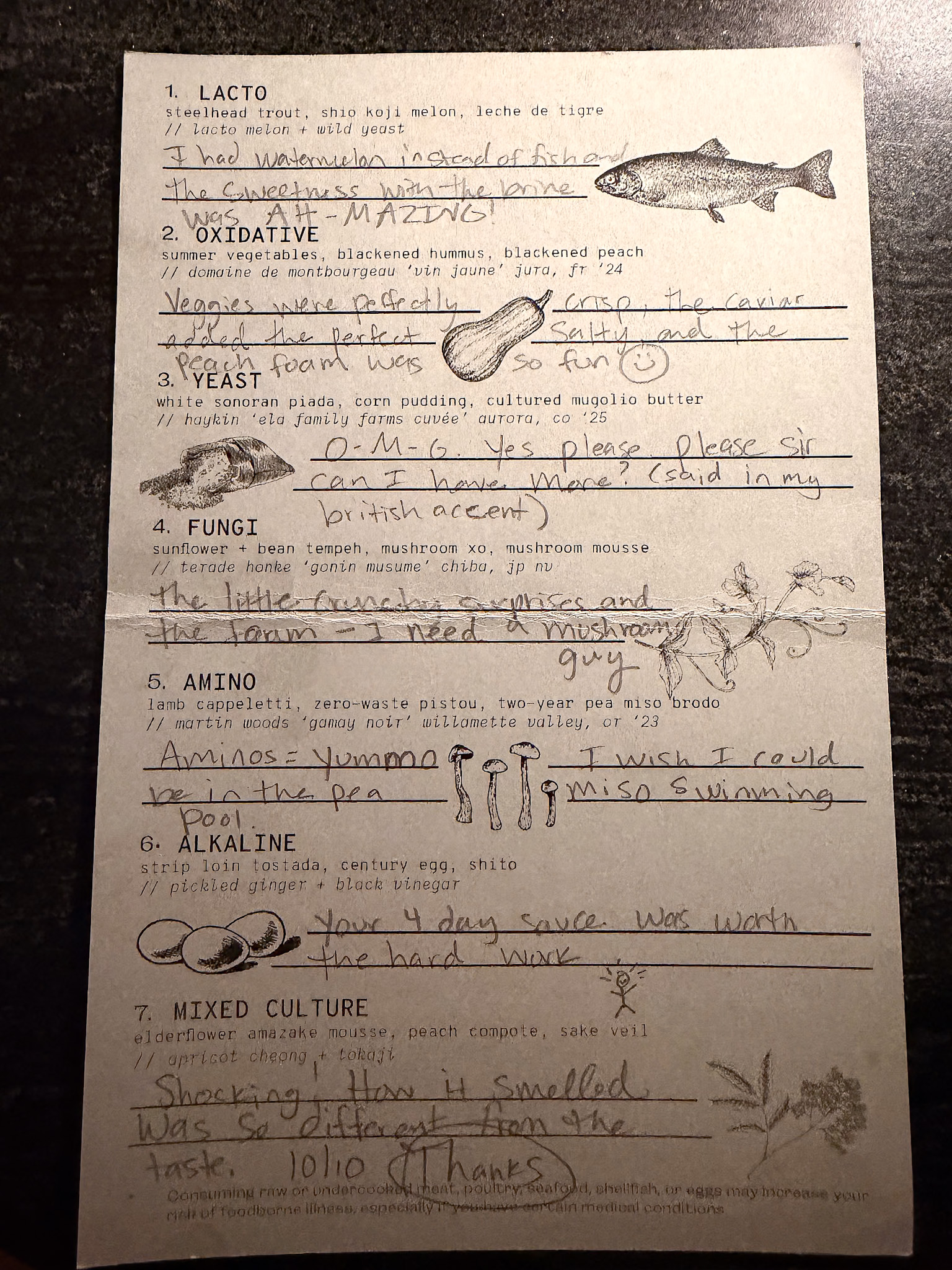
There are cards at each place setting that introduce some of the ideas behind the menu without completely giving away what is coming. Guests are encouraged to take notes, ask questions, and actually interact with the chefs throughout dinner.
That same research-driven approach carries into the drink program. Instead of only offering a traditional wine pairing, BRUTØ has a mixed beverage pairing designed specifically around the menu.
We did not add a pairing, but several couples around us did.
I booked BRUTØ online, and this was probably the only part of the experience that I did not love.
Their website was a little confusing, and I did not find the reservation process particularly intuitive.
Once we actually got there, though, that was basically my only complaint.
If you are building BRUTØ into a bigger Denver trip, my The Maven Hotel Denver Review: What to Expect covers the hotel we stayed at during our trip and what the rooms, parking, and location were actually like.
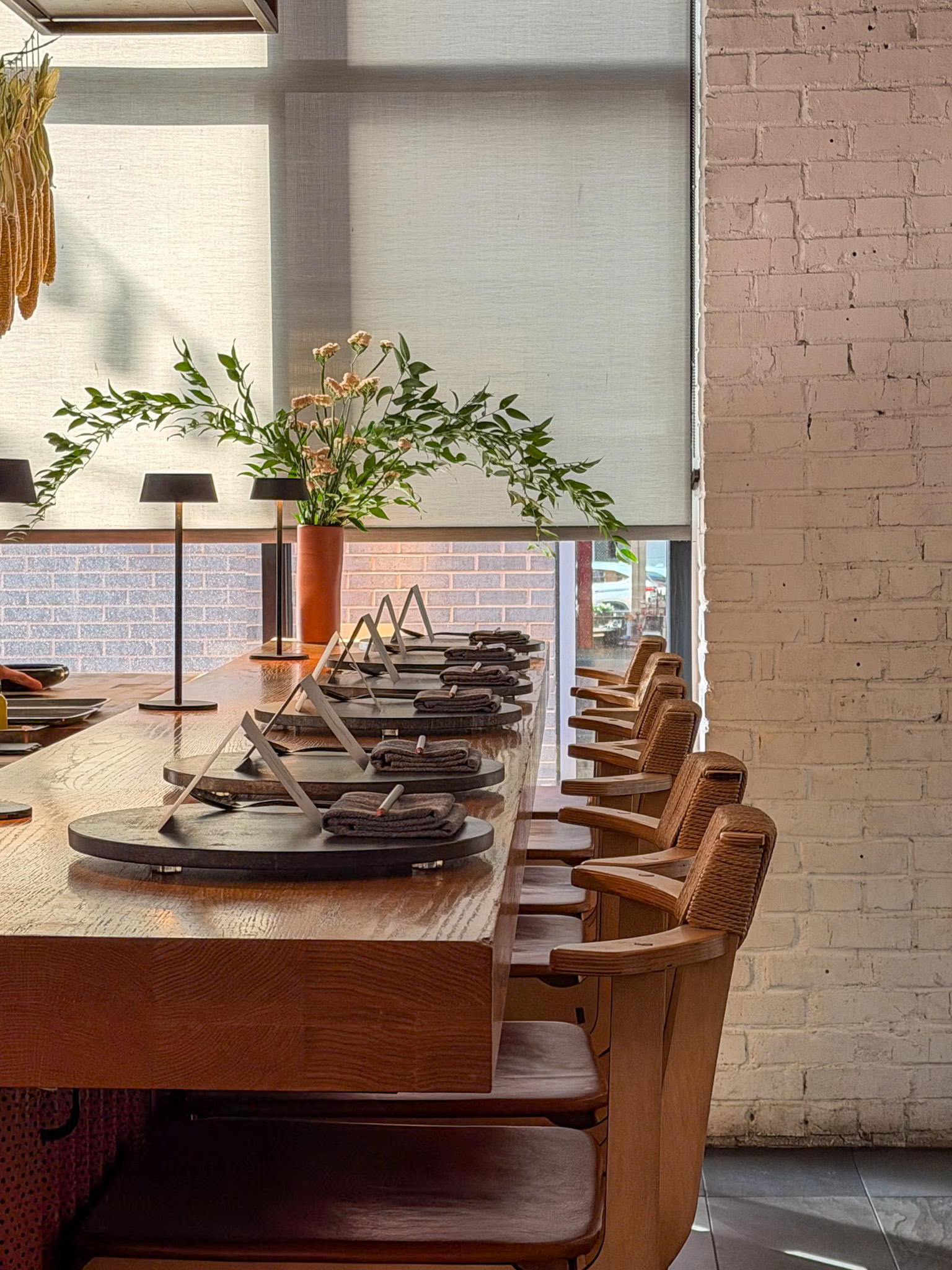
BRUTØ is expensive. I cannot remember our exact final total, but we paid around $400 for the two of us without adding a beverage pairing. There is really no way around calling that a splurge.
But I also think this is a meal where you have to look at the price a little differently. You are not just paying for dinner. You are paying for an experience. People spend hundreds of dollars on concerts, shows, sporting events, and other experiences, and that is exactly how I would look at BRUTØ.
You are watching chefs explain techniques, learning about ingredients and fermentation, seeing dishes you would probably never order anywhere else, and eating your way through the entire process.
For me, it was absolutely worth it.
If you are comparing BRUTØ with other splurge-worthy meals in the city, I also put together my Best Dinner Restaurants for a Special Occasion in Denver.
Our menu was structured around different processes involved in fermentation and food transformation.
Each course took a different idea—lactic acid, oxidative fermentation, yeast, mold, amino acids, alkaline cooking, and sake fermentation—and turned it into a dish.
That sounds like it could get very science-project very quickly, but the food never felt like it existed just to prove how clever the chefs were. Some of the combinations sounded strange when they first explained them. Then you ate them, and somehow they worked.
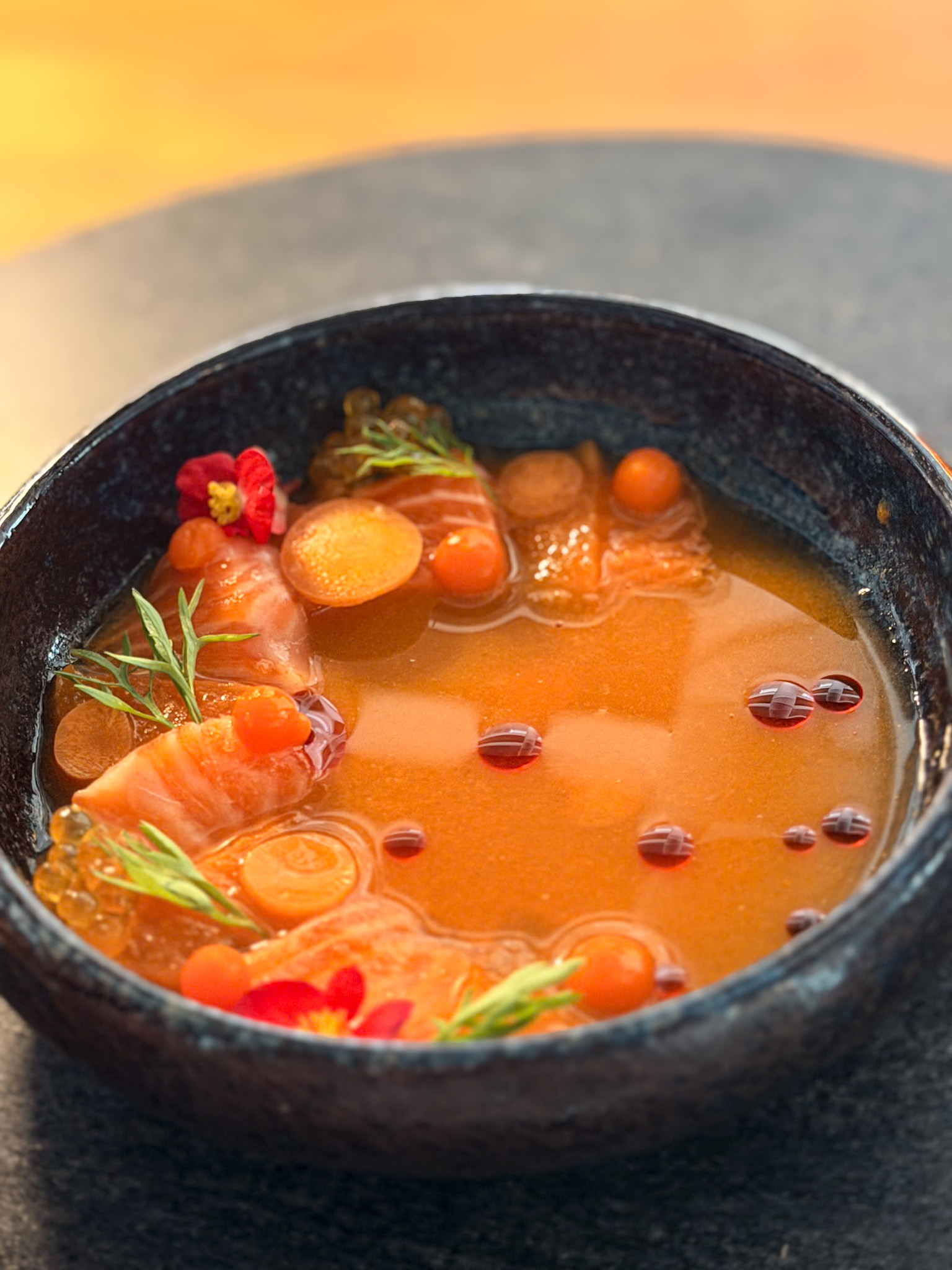
The first course focused on lactic acid and fermentation.
It included Columbia River steelhead trout, a French variety of melon grown in Colorado, carrot-ginger gel, smoked trout roe, cilantro, pickled carrot, and an edible scarlet begonia flower.
The coolest part for me was the broth.
BRUTØ keeps a house pickling liquid that they continue feeding with new vegetables, almost like a mother culture. They combined that fermented liquid with carrot juice, lime juice, and koji.
The result was a bright, tangy broth that really set the tone for what the rest of dinner was going to be like.
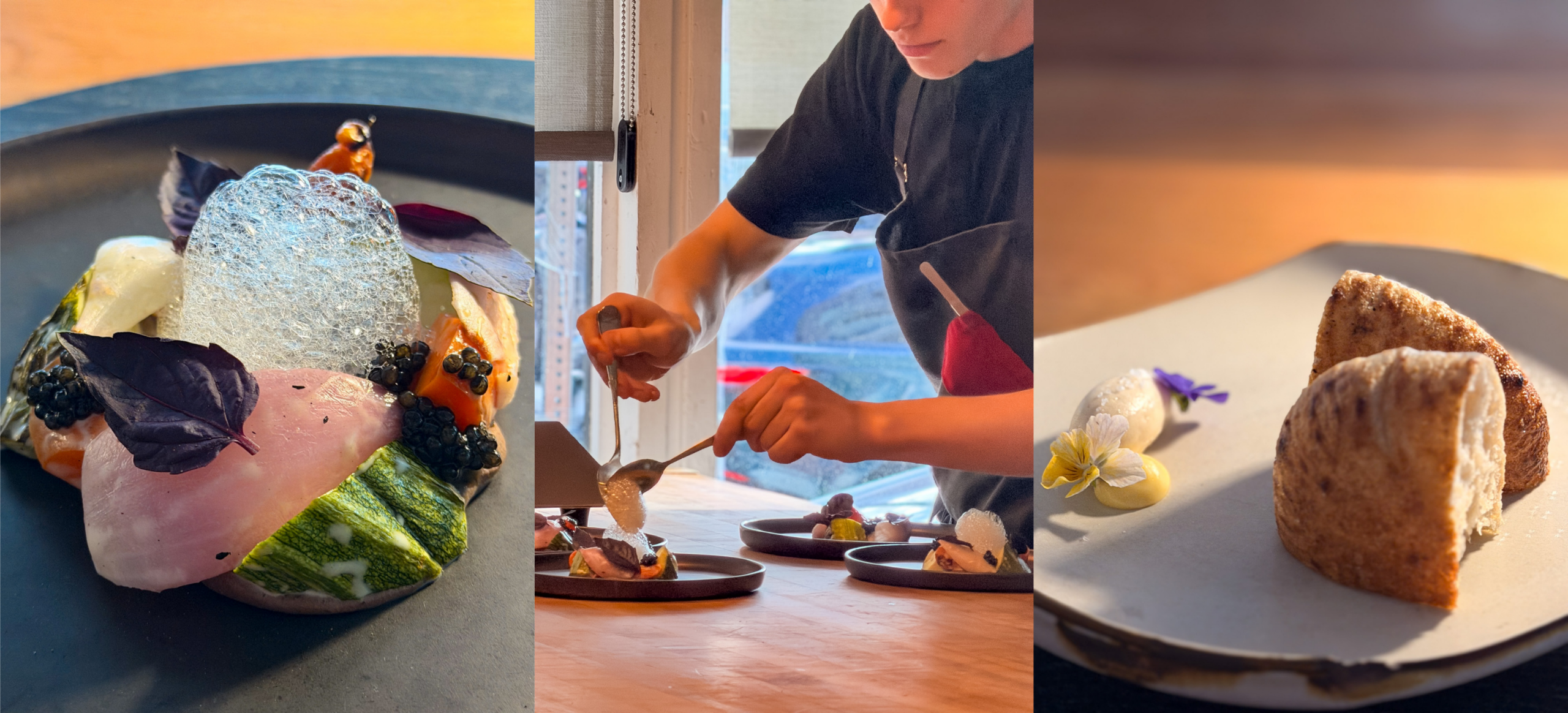
The second course highlighted oxidative fermentation.
It included black bean hummus seasoned with black garlic, local summer vegetables, peaches, purple basil, and sustainably produced American caviar.
The vegetables were dressed in a kombucha vinaigrette, but BRUTØ does not make its kombucha the way you would normally drink it. They let it ferment for around a month until it becomes much closer to vinegar.
Black bean hummus, peaches, fermented kombucha, and caviar sounded like a strange combination.
Somehow it all worked together.
Course three focused on yeast and included one of BRUTØ’s staple dishes: the White Sonoran sourdough.
And, at a Michelin-starred tasting menu full of complicated techniques and unusual ingredients, bread and butter ended up being one of my favorite things I ate.
That bread was SO freaking good.
The sourdough came with house-cultured butter mixed with Mugolio syrup, which gave it a slightly sweet, piney flavor. There was also a corn pudding on the side.
They encouraged us to forget the utensils, tear into the bread with our hands, dip it straight into the butter, and just have fun with it. That moment summed up a lot of what I liked about BRUTØ. The food is elevated, but the experience is not stiff.
And yes, I could have kept eating that bread for days.
Save this for later on Pinterest so you don’t forget it.
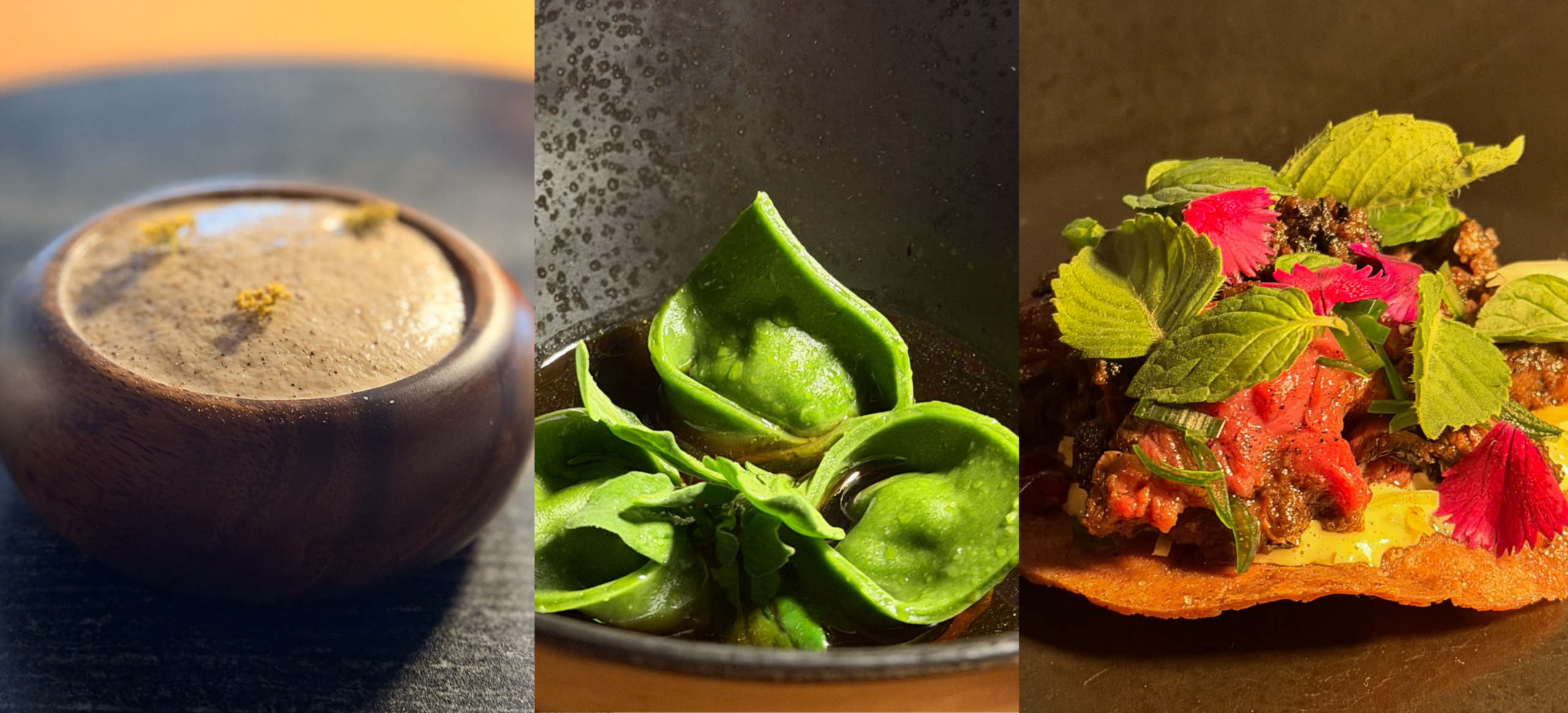
Course four was the mold course, which sounds a little questionable until you hear what they are actually doing. The point was to show that mold and fungus in food are not automatically something to be afraid of.
The dish included house-made tempeh made with local pinto beans, sunflower seeds, and black quinoa. It was topped with baby fennel and a mushroom conserve made with locally grown mushrooms from a hydroponic farm just over a mile away.
There was also a lion’s mane mushroom mousse and mushroom shoyu. The shoyu is similar to soy sauce, except BRUTØ makes it from mushroom proteins instead of soybeans.
They even take the mushrooms left over from that process, dry them, and dust them over the finished dish. It was a really interesting example of how mold and fungus can completely transform food.
Course five focused on amino acids, using miso production as the example.
The main dish was a cappelletti filled with local lamb from Buckner Farms in Boulder, seasoned with lemongrass, ginger, oregano, parsley, and thyme.
It reminded me of a cross between traditional stuffed pasta and an Asian dumpling. The broth was made with dashi seasoned with a 2½-year-aged miso, so once again, time was a major part of how the flavor was developed.
Even the pasta dough had a Colorado connection. It was colored with New Zealand spinach and made with grain grown in Colorado’s San Luis Valley and milled in Boulder.
This course was a really good example of how BRUTØ combines fermentation, local ingredients, and a ton of technique without making the actual food feel overly complicated.
Course six was the final savory course and focused on alkaline cooking techniques.
The base was a fried tortilla made from Mexican heirloom corn that BRUTØ nixtamalizes in-house. They grind the corn into masa before turning it into the tortilla.
On top was a century egg gribiche, their version of the traditional French egg-yolk sauce.
Instead of using regular eggs, BRUTØ cures whole eggs in an alkaline solution. That gives them a slightly funky, cheesy flavor without pushing it too far.
The tortilla was paired with local bison sirloin, which was seared over the hearth and seasoned using vegetable ash made from kitchen scraps that the restaurant saves and burns.
Then there was the sauce.
It was West African-inspired and made with fermented dawadawa, Sichuan peppercorns, and more than 50 ingredients. The chefs told us that the sauce alone takes about four days to make!
That gives you a pretty good idea of how much work can go into just one component of one plate.
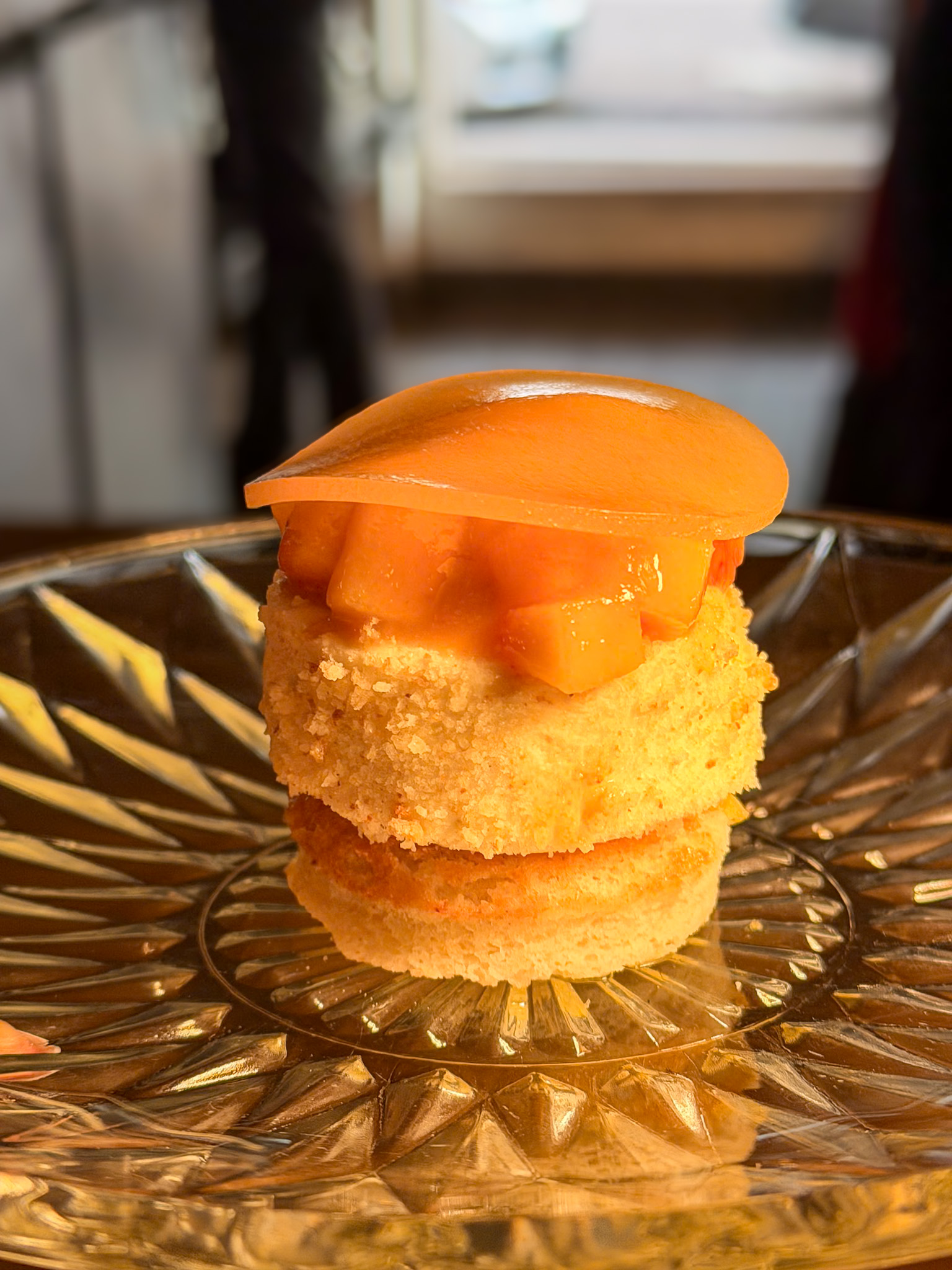
Dessert brought the entire fermentation theme together by focusing on the different stages of sake brewing.
During sake production, koji helps convert the starches in rice into sugar, while yeast converts those sugars into alcohol.
BRUTØ turned that process into dessert with a cake topped with a sake-based sauce, local peaches, and other components representing the progression from rice to sake.
I was honestly expecting something completely different. Based on the sake theme, I thought the dessert might be heavy or taste really alcohol-forward. It did not.
It was light, airy, balanced, and had just the right amount of flavor. This was probably the biggest surprise of the night and easily one of my favorite courses.
After such a technique-heavy menu, I also liked that dinner did not end with an incredibly rich dessert that made me feel like I needed to be rolled out of the restaurant.
I genuinely loved every course, but there were two I kept thinking about afterward.
The first was the White Sonoran sourdough with house-cultured Mugolio butter. Again, it sounds almost ridiculous that one of my favorite dishes during a Michelin-starred tasting menu was basically bread and butter, but here we are.
The bread was SO freaking good.
The second was dessert.
I went into that course expecting something completely different based on the sake fermentation theme, and it ended up being light, airy, and one of the most balanced dishes of the meal.
Both were also good examples of what BRUTØ does well. There is a lot of technique behind the food, but you do not have to understand every technique to enjoy eating it.
Food-wise?
No.
That almost never happens to me with a tasting menu. Usually there is at least one course where I appreciate the creativity more than I actually enjoy eating it. At BRUTØ, I genuinely liked everything.
Even combinations that initially sounded strange made sense once all of the components were together. My only real complaint with the entire experience was the somewhat confusing booking process.
Yes, but in a good way.
The portions look small when you see each course individually, but they add up over the course of the meal.
By the end, I felt perfectly full rather than painfully stuffed.
I definitely did not leave looking for another meal afterward.
The chef interaction was another major part of the experience for me.
The chefs explained the dishes as they served them, including the fermentation methods, ingredients, cooking techniques, and why certain components were being used.
They were interactive, funny, and really approachable.
BRUTØ still feels elevated, but it does not have the super-formal atmosphere where you feel like you need to whisper and sit perfectly straight all night.
It was relaxed, interesting, and fun. That made a big difference for me because tasting menus can sometimes feel a little serious.
BRUTØ takes the food very seriously without making the entire experience feel serious.
If you want to keep the night going afterward, my Run for the Roses Denver Review: Is This Speakeasy Worth Visiting? covers the cocktail and mocktail bar we visited during the same Denver trip.
For me, absolutely. Spending around $400 on dinner is expensive, and I would never pretend otherwise. But the value at BRUTØ is in the entire experience rather than simply how much food is sitting on your plate.
You are getting multiple courses, chef interaction, unusual ingredients, Colorado products, fermentation and preservation techniques, and a behind-the-scenes look at just how much research goes into creating these dishes.
When a sauce takes four days and more than 50 ingredients to make, you start to understand what you are actually paying for.
If you enjoy food and like trying things you would probably never cook or order yourself, I think BRUTØ is one of the most interesting dining experiences in Denver.
I would especially recommend it for someone who cares about the process behind food, not just the finished plate.
If you end up booking anything for your trip, using my affiliate links helps support my blog at no extra cost to you. I spend a lot of time researching and writing these guides, so I really appreciate the support.
Search Skyscanner to compare flights into Denver.
If this dinner is part of a longer trip, my A Weekend in Denver Colorado: The Perfect First-Time Itinerary can help you put the rest of your days together.
For arrival, baggage claim, rental cars, and getting into the city, read my Denver Airport Guide: Everything You Need to Know About Denver International Airport.
Compare Denver hotels on Booking.com or Hotels.com.
If you want to build an entire day around eating your way through Denver, you can also look at Secret Food Tours.
For more ideas between reservations, see my Top Things to Do in Denver Colorado.
If drinks are part of your Denver plans too, read my Best Cocktail and Mocktail Bars in Denver Colorado.

“Outside Terminal 3” is not a pickup location at PHX.
Before your driver pulls in, text them four things: your terminal, north or south side, door number, and inner or outer curb. Grab your bags first, then call them in. Drivers can wait free in the cell phone lot instead of circling. Getting through security is easy; getting picked up is the hard part.
Save this for your Phoenix trip ✈️

Come for the architecture, stay for the view.
The Chapel of the Holy Cross has been built into Sedona’s red rocks since 1956. The outside overlooks get busy, but inside is quiet, with huge windows framing the rocks. It’s free, takes 30-45 minutes, and has a paved, wheelchair-accessible ramp. Make sure to bring water in summer.
Save this for your trip planning!
Order it well done. Trust me.🍑🍕
Peach & Pancetta Pizza at Hideaway House in Sedona: roasted peaches, salty pancetta, ricotta, basil, extra-crispy crust. Split the house salad, grab a prickly pear lemonade, and get a patio table facing the red rocks. Skip the bread if you want room for another slice.
Save this for your Sedona trip✈️
Pack your bags, Denver is not just a mountain layover. RiNo alone can eat a full day between the murals, food, and bars. Skip the concert and hit Red Rocks midday instead, you’ll basically have it to yourself. Golden’s a 30-minute trip if you want a change of pace, and if food drives your travel like it does mine, Denver Central Market and BRUTØ deserve real time on the calendar. Give it three days minimum, four if you’re eating your way through it. Save this.
Stayed at The Maven in Denver’s Dairy Block and the location alone sold me, walking distance to Union Station and most of downtown, string lights right outside at night. The room was spacious and quiet, even had a swing in it. Real talk though, there’s a $28 daily resort fee and parking isn’t cheap, valet ran us $59 a day. Bed was a little firm, but that’s the only complaint I’ve got. Save this before you book.

Follow @travelwithwendyplummer for Beautiful Beach Destinations, City Guides, Foodie Spots, and Luxury Hotel Recommendations.