
April–October gives you the easiest weather for exploring Denver, Boulder, Golden, and nearby outdoor areas. Summers are warm and sunny, while September and early October bring cooler temperatures and fall color.
June–September is best for hiking, scenic drives, alpine lakes, and mountain towns. Higher roads and trails can stay snowy well into late spring, so summer gives you the most access.
September is especially pretty when the aspens turn yellow across the mountains.
December–March is prime time for skiing and snowboarding in places like Vail, Breckenridge, Aspen, and Steamboat Springs. Snowfall and resort opening dates vary each year.
March–May can be a bit of a weather personality crisis. Denver might be sunny while the mountains are still buried in snow, so packing layers is basically part of the itinerary.
There is far more to Colorado than skiing. These are some of the experiences I would prioritize when planning a first trip.
Rocky Mountain National Park is one of Colorado’s biggest attractions, with alpine lakes, hiking trails, wildlife, mountain overlooks, and Trail Ridge Road. Estes Park and Grand Lake sit on opposite sides of the park, making it possible to work the park into a larger Colorado road trip.
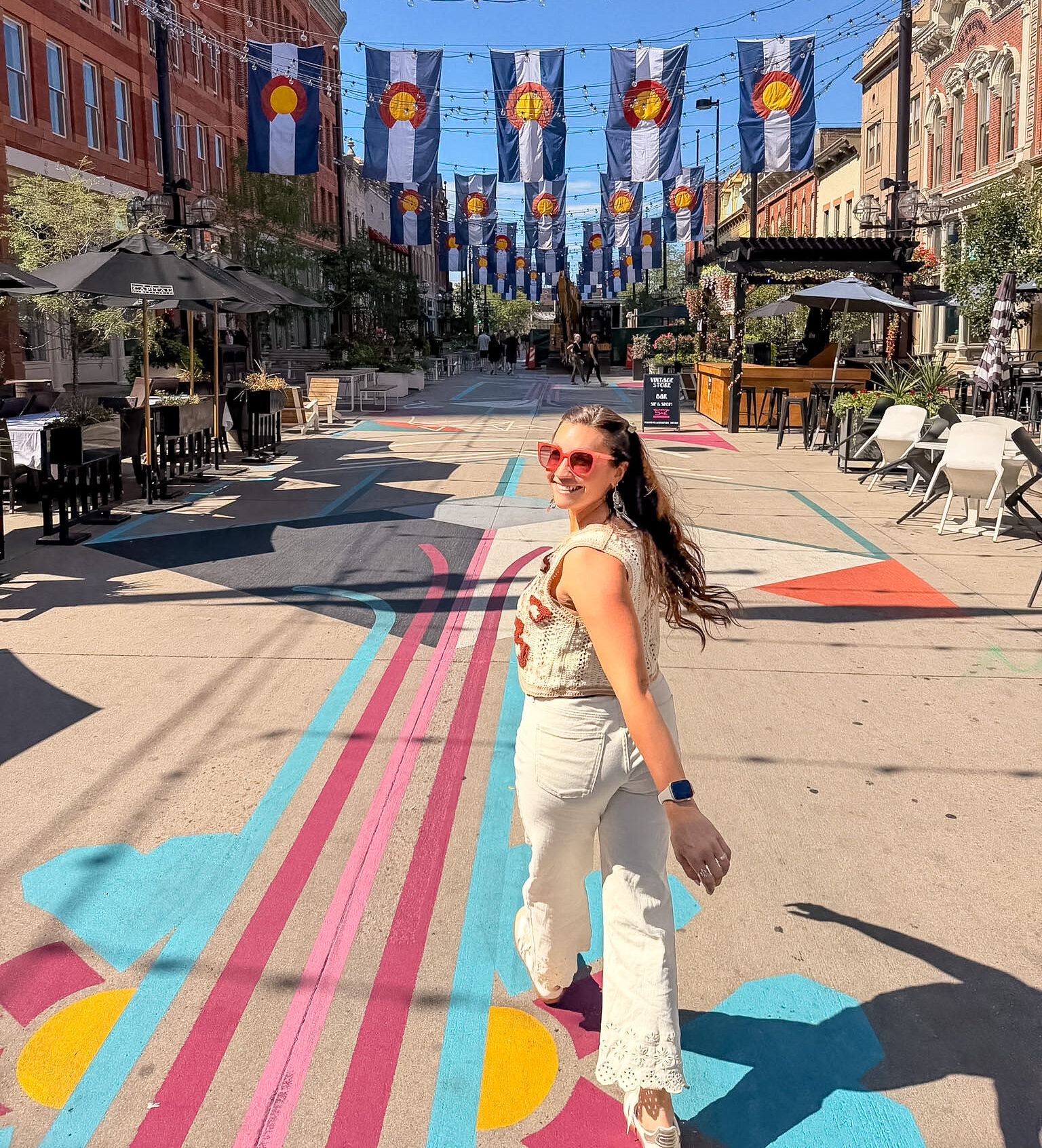
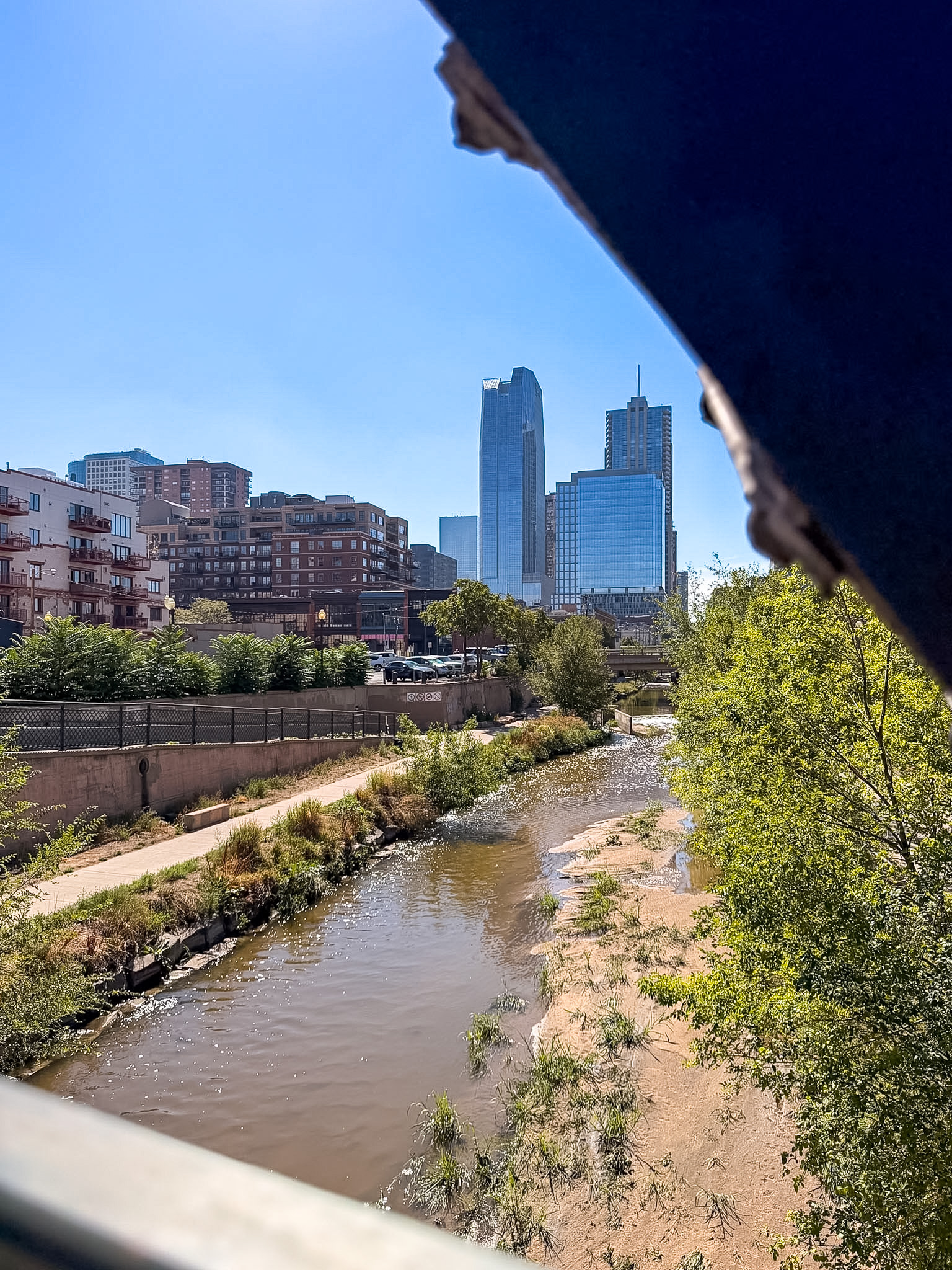
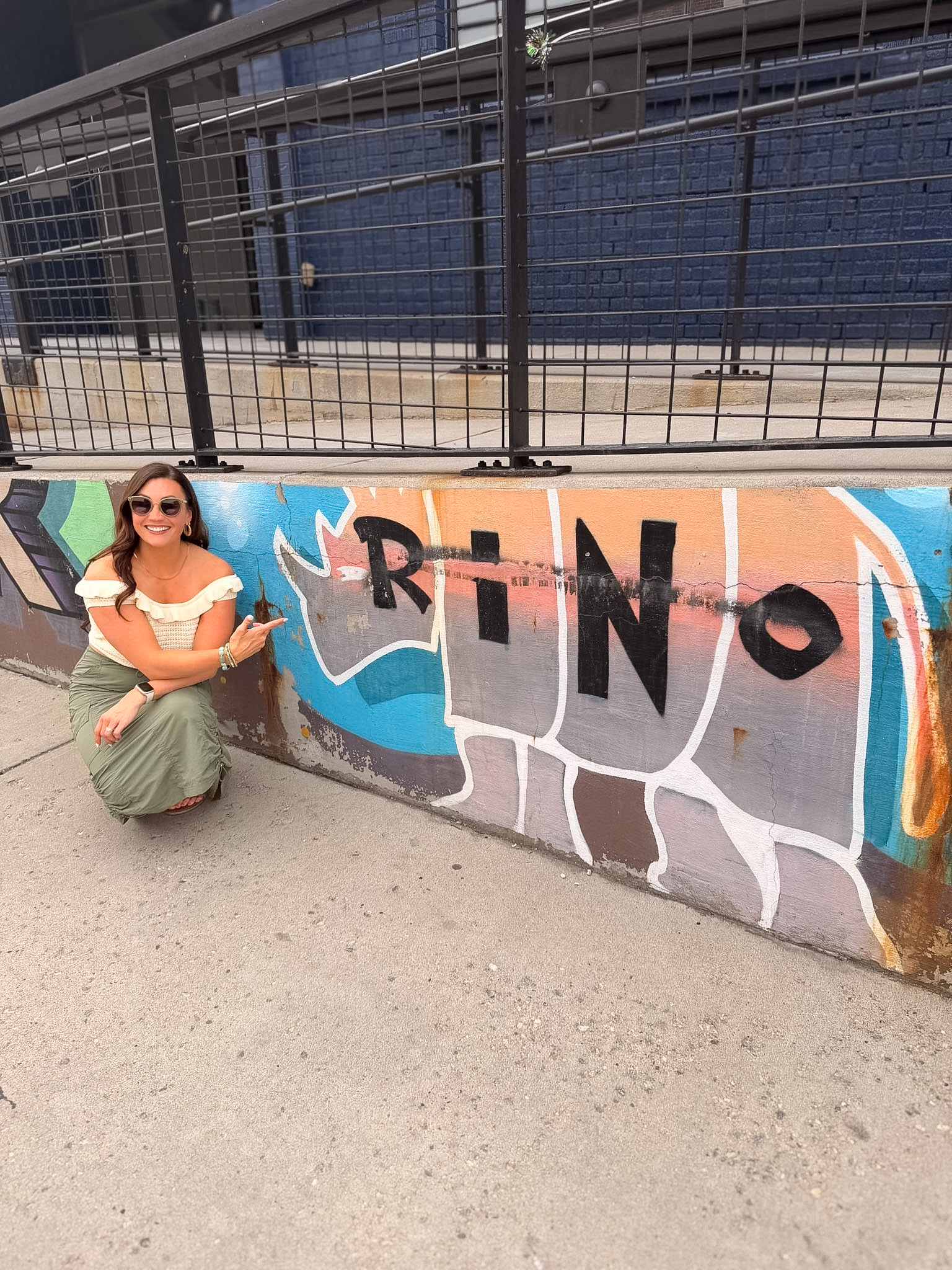
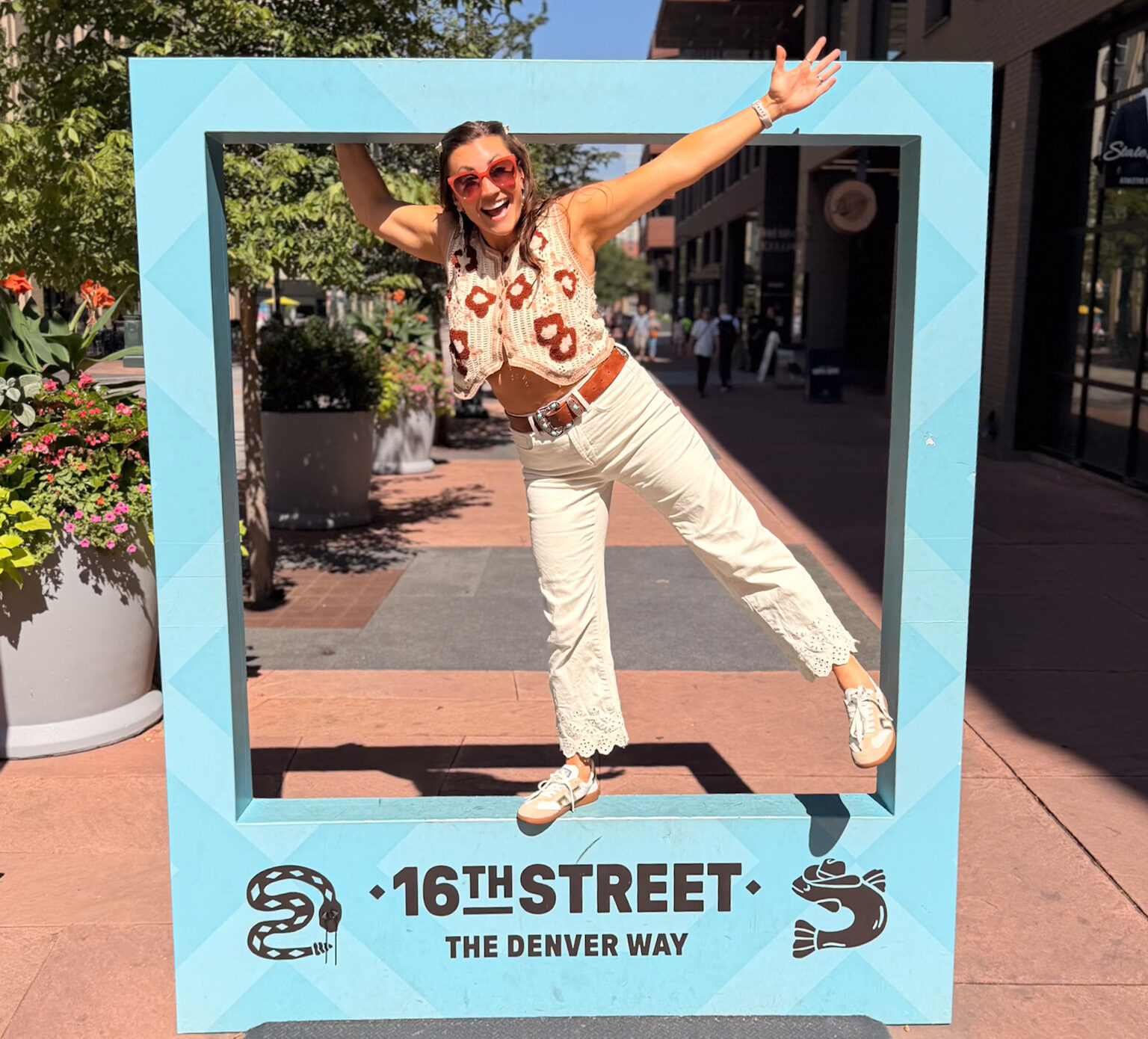
Denver works well as a starting point because you can combine city activities with easy day trips. Explore neighborhoods like RiNo, walk around Union Station and downtown, visit museums, and take advantage of the city’s strong restaurant scene.
Denver also makes a good base for visiting several other places in this Colorado travel guide without changing hotels every night.
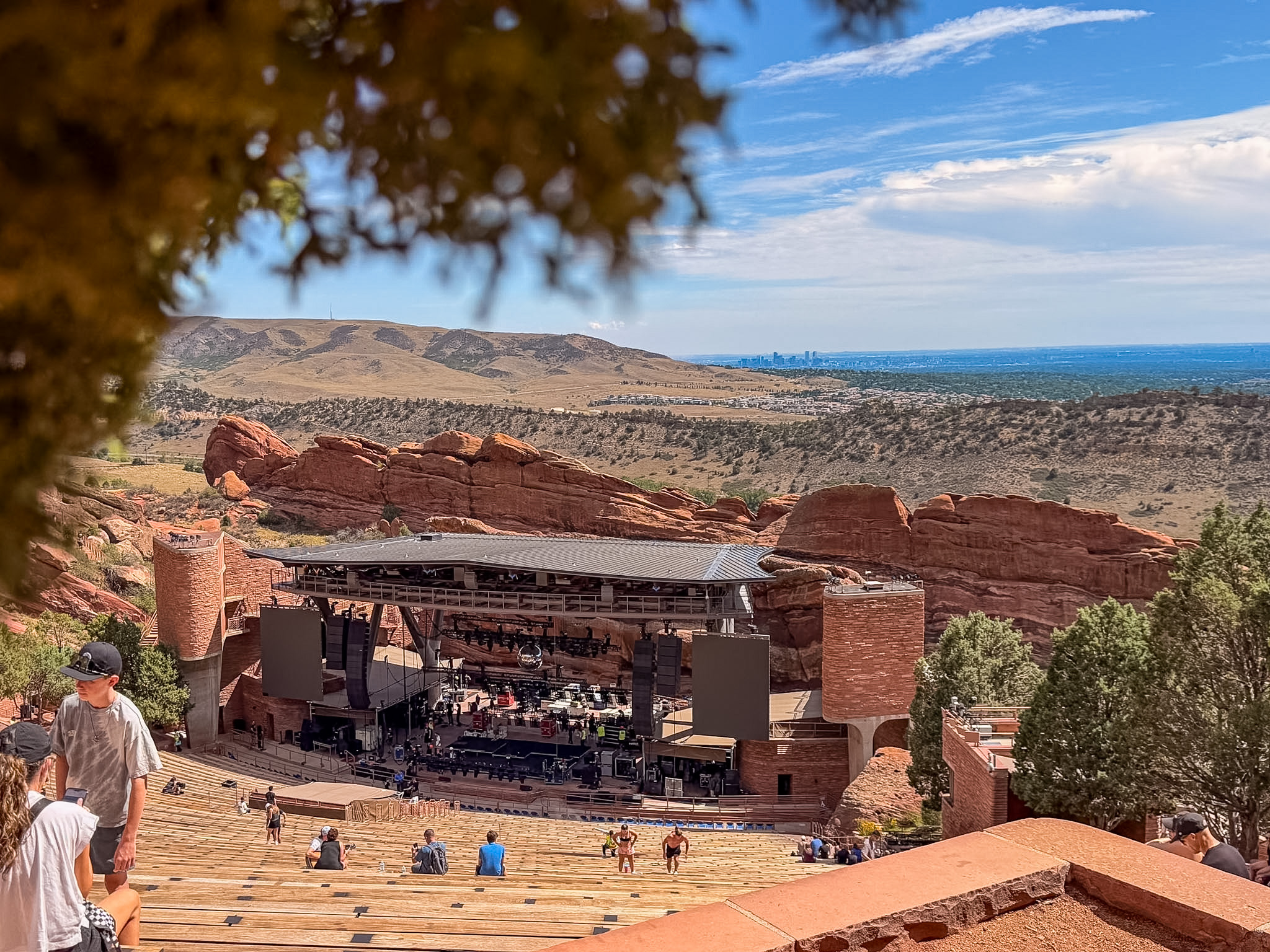
Red Rocks is about 15 miles west of downtown Denver and is one of the most recognizable concert venues in the country. You do not have to attend a concert to visit. During the day, you can walk through the amphitheater, explore nearby trails, and see the massive red sandstone formations surrounding the venue.
Both are easy additions to a Denver trip but feel completely different from downtown Denver.
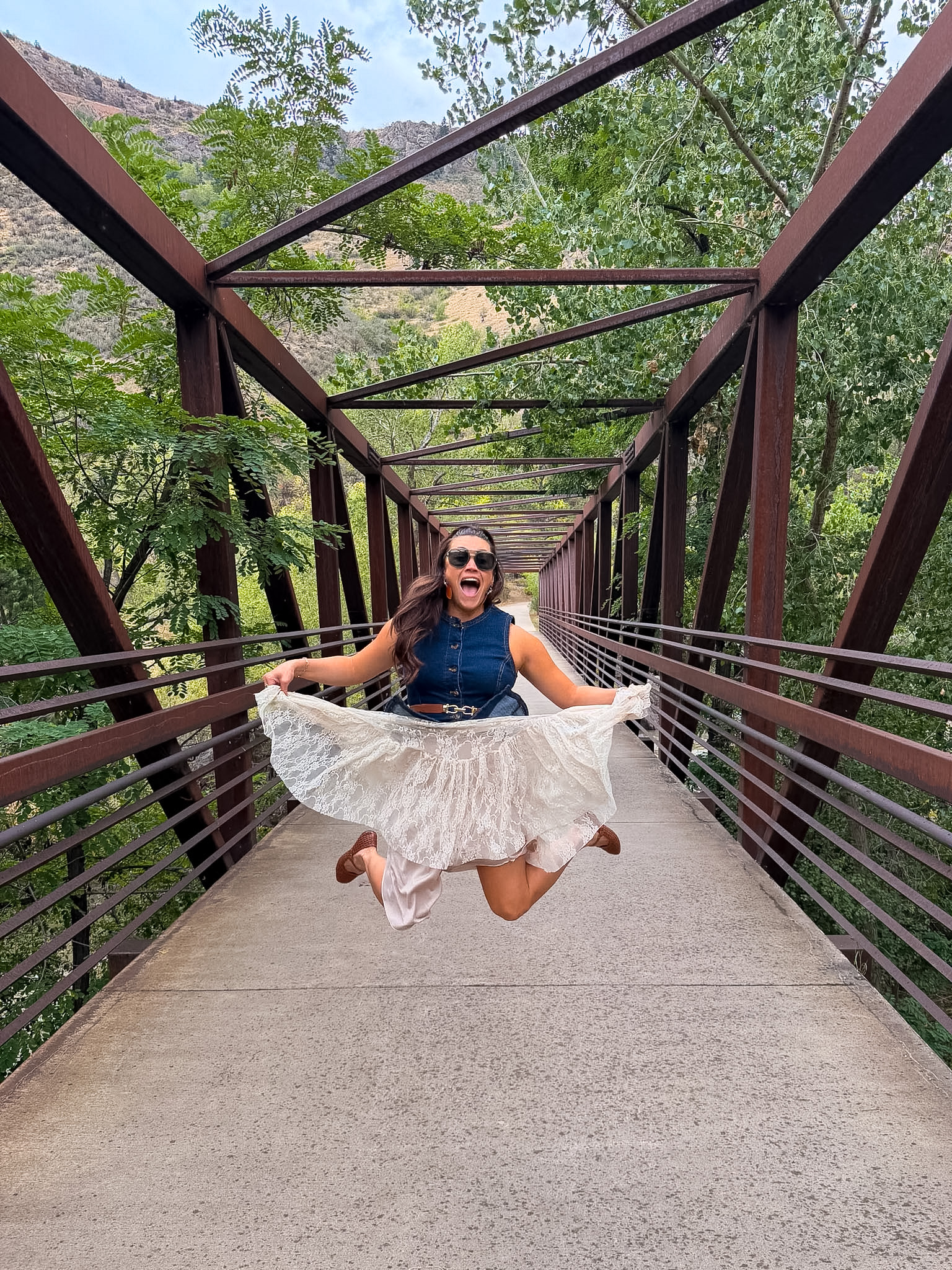
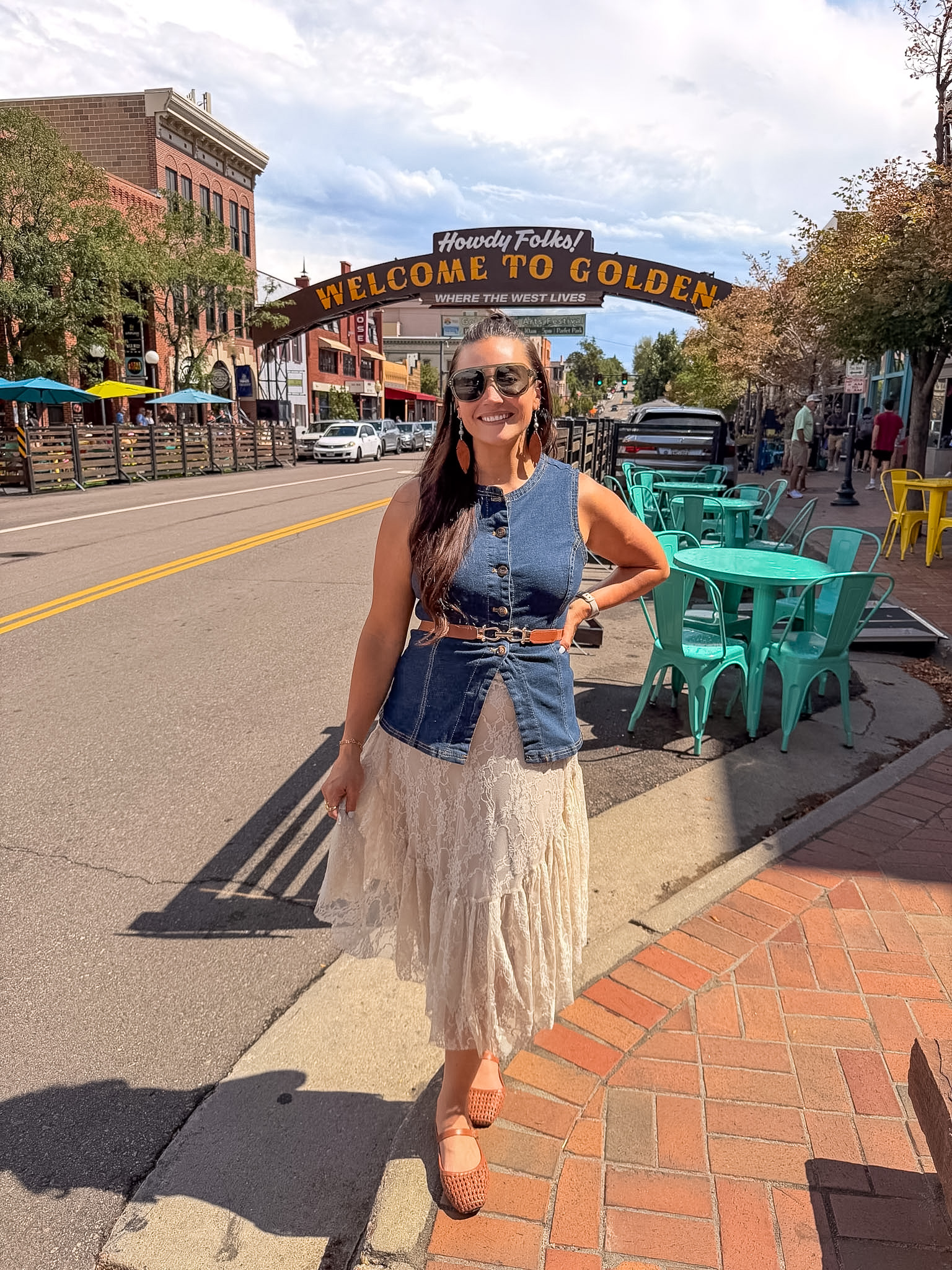
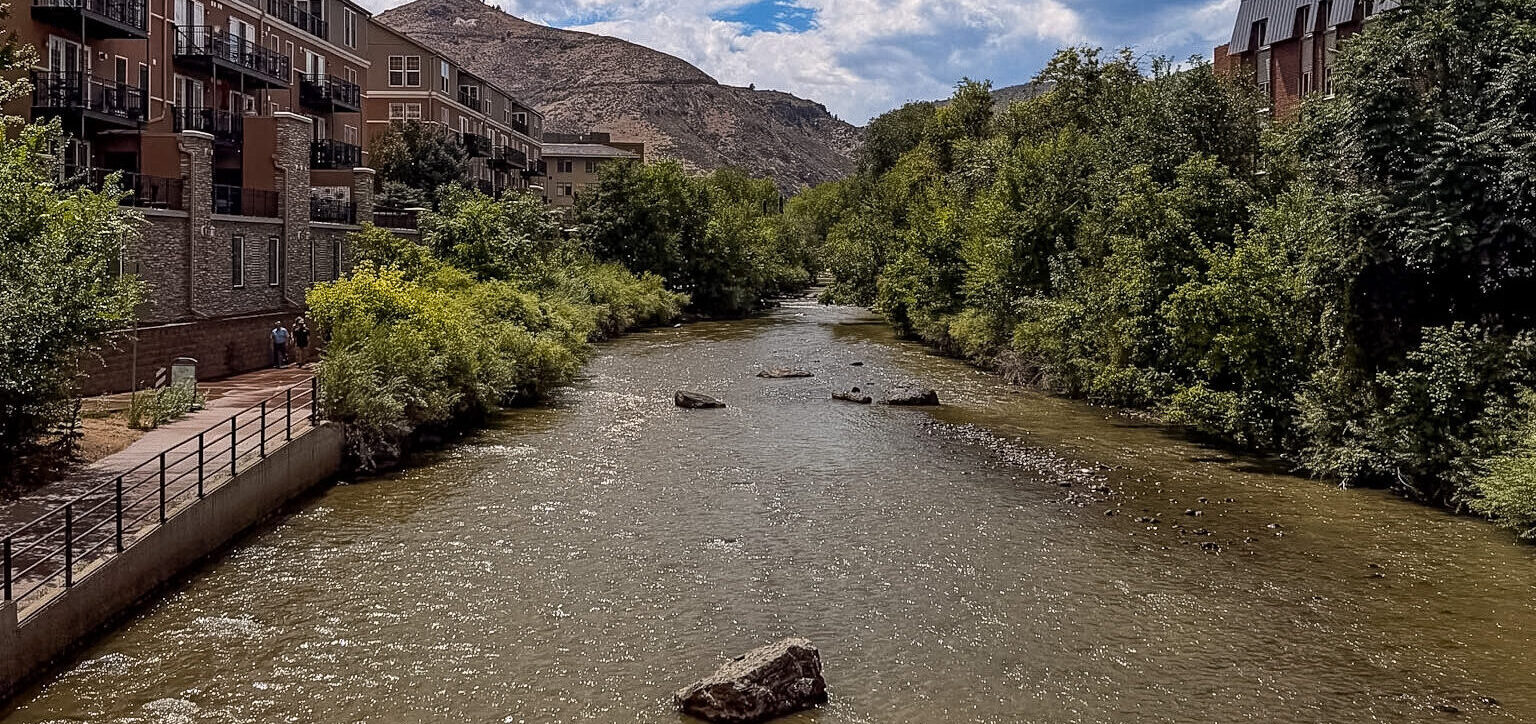
Golden has a compact downtown along Clear Creek, trails, restaurants, and quick access to the foothills. Boulder sits beneath the Flatirons and has hiking, biking, restaurants, shops, and the pedestrian-only Pearl Street area.
Colorado Springs is home to two of the state’s most recognizable natural attractions. Garden of the Gods has enormous red rock formations with paved roads, viewpoints, and hiking trails.
Nearby Pikes Peak rises more than 14,000 feet above sea level. You can reach the upper portion by driving the Pikes Peak Highway or riding the Broadmoor Manitou and Pikes Peak Cog Railway.
Breckenridge, Vail, Aspen, Telluride, Steamboat Springs, and Crested Butte are some of the best-known mountain towns, but they are not just winter destinations. Summer brings hiking, biking, scenic gondola rides, outdoor dining, and festivals.
Mountain towns can also be much farther apart than they appear, so choose a region rather than trying to collect them all in one trip.
Driving is part of the experience in Colorado. Trail Ridge Road, Peak to Peak Scenic Byway, Million Dollar Highway, and Independence Pass are just a few routes known for mountain scenery.
Always check seasonal road conditions before planning around a high-elevation drive. Snow closures can happen quickly and sadly they do not care about your itinerary.
Rocky Mountain National Park gets most of the attention, but Colorado also has Great Sand Dunes National Park, Mesa Verde National Park, and Black Canyon of the Gunnison National Park.
They’re spread across different parts of the state, so visiting all four in one short trip can make the itinerary feel rushed. If Colorado’s national parks are your main focus, a longer road trip is the best way to see them without spending the entire vacation in the car.
A rental car is the easiest way to explore most of Colorado, particularly if you plan to visit national parks, mountain towns, hiking areas, or multiple destinations.
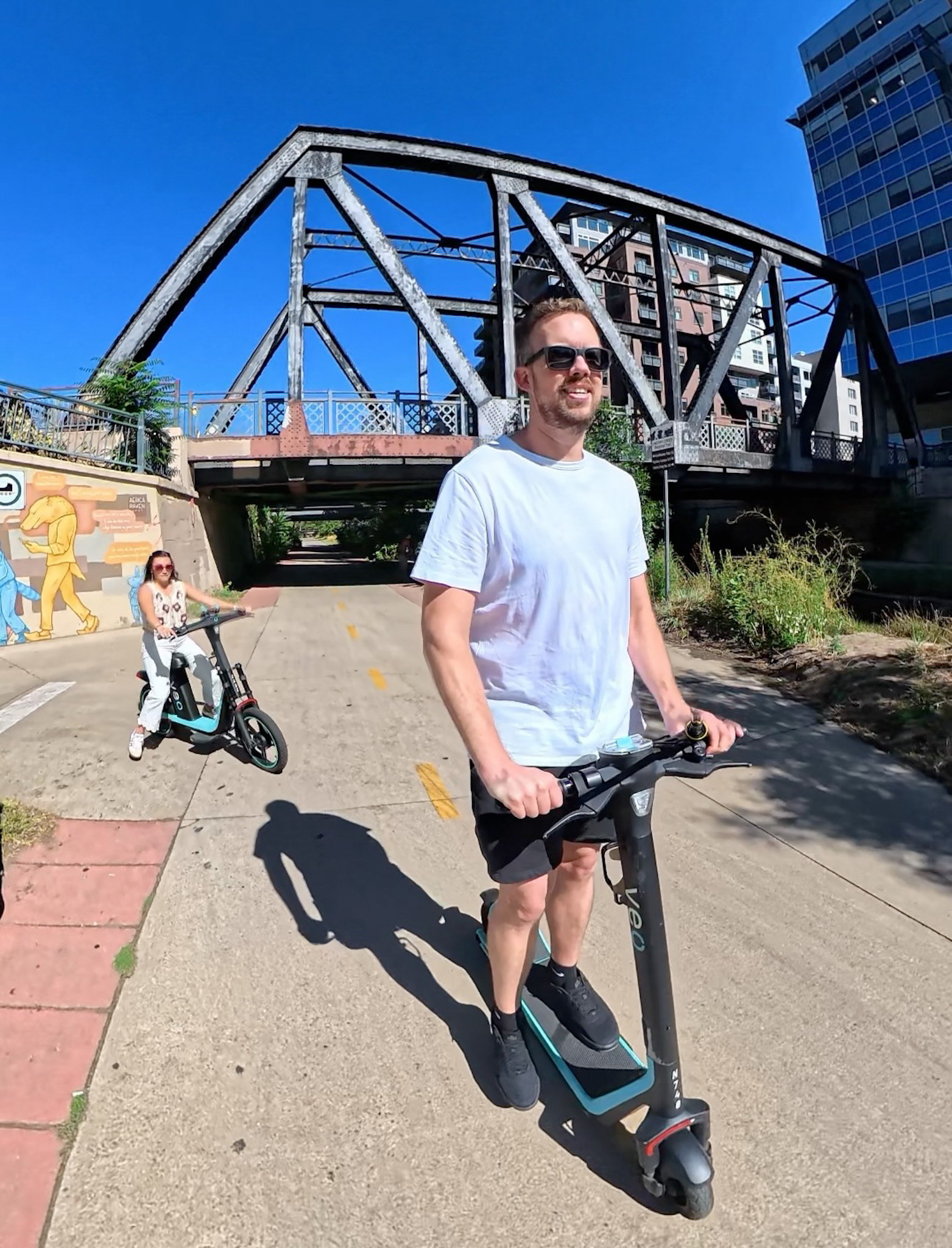
Denver itself is different. You can use light rail, buses, rideshares, bikes, and walking for many parts of the city. Public transportation also connects Denver with several surrounding communities, and the A Line train runs between Denver International Airport and Union Station.
Once you start building day trips and mountain destinations into the itinerary, having a car becomes much more useful.
Colorado also has regional bus and shuttle services that connect Denver with several mountain communities, so it is possible to plan certain trips without driving. I would still rent a car if you want the flexibility to stop at overlooks, trailheads, smaller towns, or restaurants along the way.
Winter deserves its own warning in any Colorado travel guide. Mountain driving conditions can change quickly, and snow, ice, steep grades, and mountain passes are very different from driving around Denver on a clear day. Check weather and road conditions before leaving and make sure your vehicle is appropriate for the conditions
Colorado has several airports, and choosing the right one can save a surprising amount of driving.
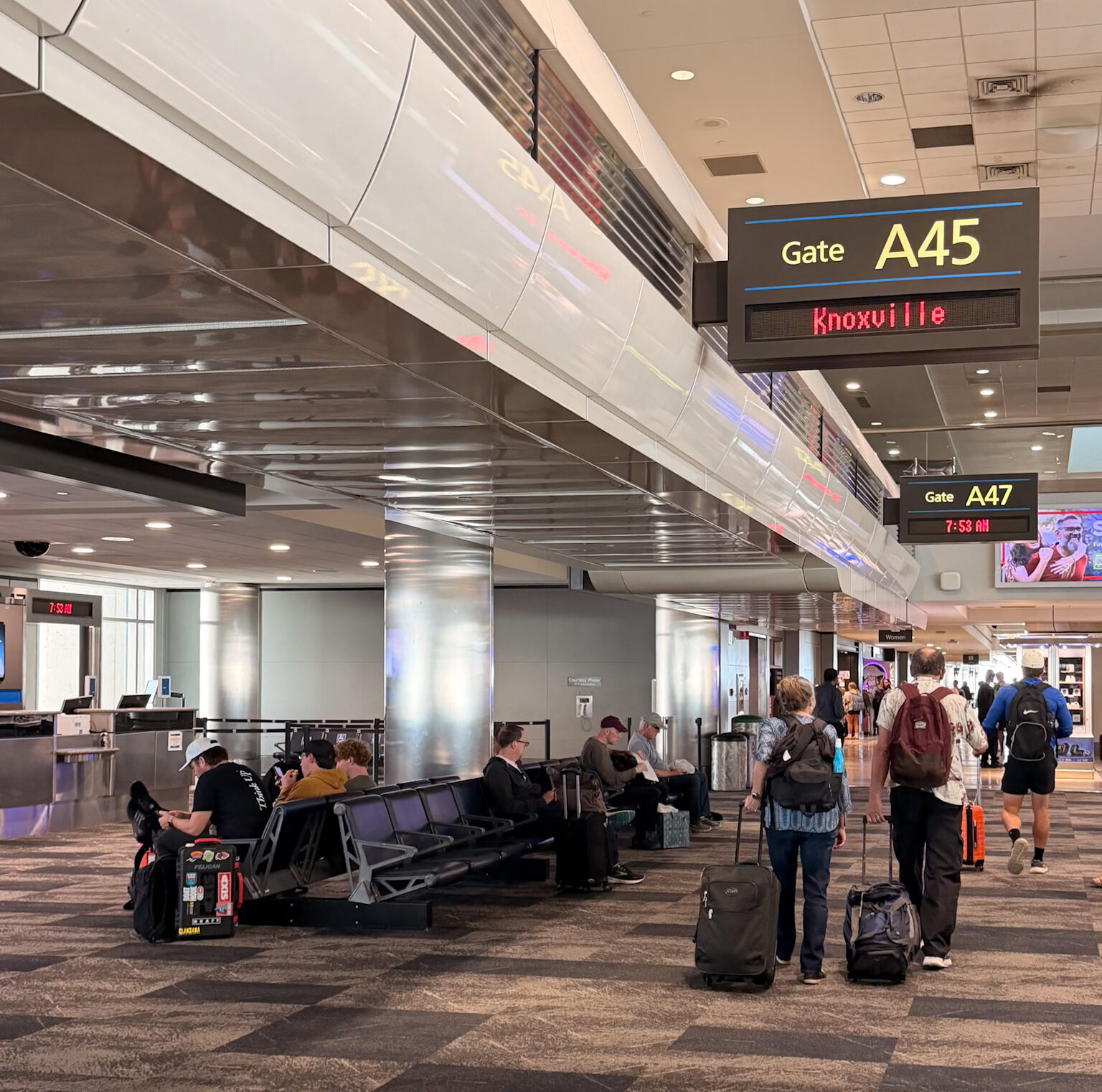
Denver International Airport is the main airport for most Colorado trips and offers extensive domestic service along with international flights. It is the best choice for Denver, Boulder, Golden, Rocky Mountain National Park, and many trips into the central mountains.
DEN is northeast of downtown Denver, so allow time for the drive between the airport and the city.
Colorado Springs Airport is a convenient alternative if your trip is centered around Colorado Springs, Garden of the Gods, Pikes Peak, or southern Colorado. It is considerably smaller than Denver International Airport and can be easier to navigate.
Grand Junction Regional Airport is the primary airport for western Colorado. It can make sense for trips focused on Grand Junction, Colorado National Monument, Palisade, or other destinations on the western side of the state.
Depending on your destination and budget, you may also find flights into airports near Aspen, Vail, Durango, Montrose, Gunnison, and Steamboat Springs.
These airports can dramatically reduce driving time, but flights are generally more limited and can be more expensive.
For most first-time visitors following this Colorado travel guide, Denver International Airport will offer the most flight options and the greatest flexibility.
Altitude is probably the most important thing first-time visitors underestimate.
Denver sits approximately one mile above sea level, and many popular mountain destinations are much higher. Drink plenty of water, give yourself time to adjust, and do not schedule your hardest hike immediately after arriving.
You may feel the elevation even if you are normally active.
Colorado weather can change quickly, particularly in the mountains. A warm afternoon in Denver does not mean conditions will be the same several thousand feet higher.
Layers are your friend. Even during summer, bring something warmer if you are heading into the mountains.
Colorado is in the Mountain Time Zone.
Cell service can become unreliable in remote mountain areas. Download maps before heading into national parks, scenic drives, or less-developed parts of the state.
That small step can save you from discovering that your phone has decided it is also on vacation.
Even during summer, temperatures can change significantly between Denver and higher elevations. Keep an extra layer in the car and check conditions for the actual destination rather than relying on Denver’s forecast.
This Colorado travel guide is easiest to use if you plan your trip by region and then build day trips around that base. Colorado is a large state, and spending less time driving usually means spending a lot more time actually enjoying it.
“Outside Terminal 3” is not a pickup location at PHX.
Before your driver pulls in, text them four things: your terminal, north or south side, door number, and inner or outer curb. Grab your bags first, then call them in. Drivers can wait free in the cell phone lot instead of circling. Getting through security is easy; getting picked up is the hard part.
Save this for your Phoenix trip ✈️

Come for the architecture, stay for the view.
The Chapel of the Holy Cross has been built into Sedona’s red rocks since 1956. The outside overlooks get busy, but inside is quiet, with huge windows framing the rocks. It’s free, takes 30-45 minutes, and has a paved, wheelchair-accessible ramp. Make sure to bring water in summer.
Save this for your trip planning!
Order it well done. Trust me.🍑🍕
Peach & Pancetta Pizza at Hideaway House in Sedona: roasted peaches, salty pancetta, ricotta, basil, extra-crispy crust. Split the house salad, grab a prickly pear lemonade, and get a patio table facing the red rocks. Skip the bread if you want room for another slice.
Save this for your Sedona trip✈️
Pack your bags, Denver is not just a mountain layover. RiNo alone can eat a full day between the murals, food, and bars. Skip the concert and hit Red Rocks midday instead, you’ll basically have it to yourself. Golden’s a 30-minute trip if you want a change of pace, and if food drives your travel like it does mine, Denver Central Market and BRUTØ deserve real time on the calendar. Give it three days minimum, four if you’re eating your way through it. Save this.
Stayed at The Maven in Denver’s Dairy Block and the location alone sold me, walking distance to Union Station and most of downtown, string lights right outside at night. The room was spacious and quiet, even had a swing in it. Real talk though, there’s a $28 daily resort fee and parking isn’t cheap, valet ran us $59 a day. Bed was a little firm, but that’s the only complaint I’ve got. Save this before you book.

Follow @travelwithwendyplummer for Beautiful Beach Destinations, City Guides, Foodie Spots, and Luxury Hotel Recommendations.