If you want to see a more traditional side of the city, this Old Dubai guide to Al Fahidi, Al Seef, and Dubai Creek walks you through the areas that show what Dubai looked like before the skyline, mega-malls, and record-breaking attractions. This part of the city feels more lived-in, more local, and much slower-paced—and it’s one of the easiest ways to add balance to a Dubai itinerary.
These neighborhoods all sit along or near the creek, which means you can explore them together without overplanning. You’ll walk historic lanes, browse busy markets, and move between areas the same way locals still do today.
The Al Fahidi Historical Neighborhood is one of the best places to understand what Dubai looked like before modern development took over. The area is made up of restored traditional wind-tower houses, known locally as barjeel houses, which were designed to naturally cool homes long before air conditioning existed.
Walking through the narrow lanes feels like stepping back in time. Everything is sand-colored and understated, with quiet courtyards, art spaces, small museums, cafés, and local shops tucked throughout. It’s calm, walkable, and easy to explore at your own pace.
If you’re driving, there’s underground parking nearby, which makes visiting much easier than trying to find street parking in the surrounding area. I highly recommend starting here early in the morning. It’s quieter, easier to park, and much better for photos. Later in the day—especially after work hours or on weekends—this area gets busy as locals come to shop, meet friends, and hang out. The energy is great, but the crowds are noticeable.
One of the best ways to continue from here is by walking toward the creek and heading to the nearby abra station. It’s a natural transition that connects history with everyday life in the city.
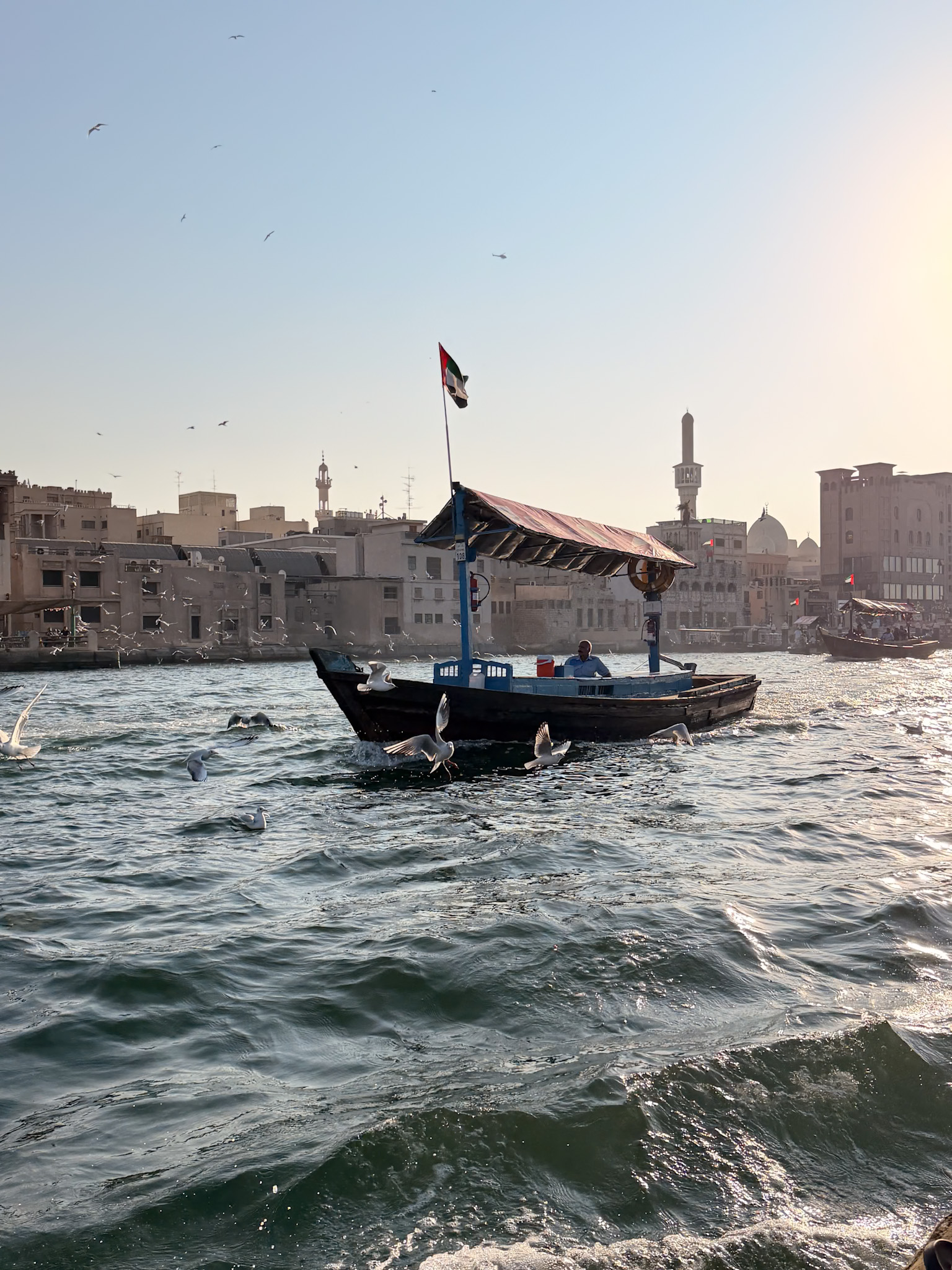
Dubai Creek is the backbone of old Dubai and one of the most important historic areas in the city. Long before luxury hotels and artificial islands, this waterway was where trade, fishing, and transportation happened—and it’s still active today.
Taking an abra across Dubai Creek is one of the simplest and most authentic experiences you can have in this part of the city. These small wooden boats have been used for decades to ferry people back and forth, and they’re still a daily form of transportation for locals.
The ride is quick, inexpensive, and gives you a very different perspective compared to modern Dubai. You’re moving through the city at water level, watching daily life unfold on both sides of the creek. It’s practical, efficient, and surprisingly memorable.
If you want all the exact details—where to catch it, parking tips, and the best times to go—see my full guide to Abra Ride on Dubai Creek: Everything You Need to Know.
Al Seef is a waterfront area along Dubai Creek that blends traditional-style architecture with modern cafés, shops, and restaurants. It’s designed to feel like a restored historic district, with wind towers, narrow walkways, and weathered textures—while still being clean, organized, and very visitor-friendly.
This is a great place to wander without a strict plan. You’ll find souvenir shops, clothing stores, traditional items (including affordable abayas and dresses), and plenty of cafés and casual restaurants. It’s especially nice if you want to slow down after sightseeing or pair it with Al Fahidi or an abra ride.
Al Seef gets busier in the evenings and on weekends when locals come out to shop, eat, and socialize. That energy can be fun, but if you want fewer people and better photos, earlier in the day is the way to go. At night, the area lights up beautifully and feels very atmospheric along the creek.
If you want to stay nearby, searching for hotels near Dubai Creek makes it easy to compare locations that keep you close to all of these areas without long drives. You can find hotels here.
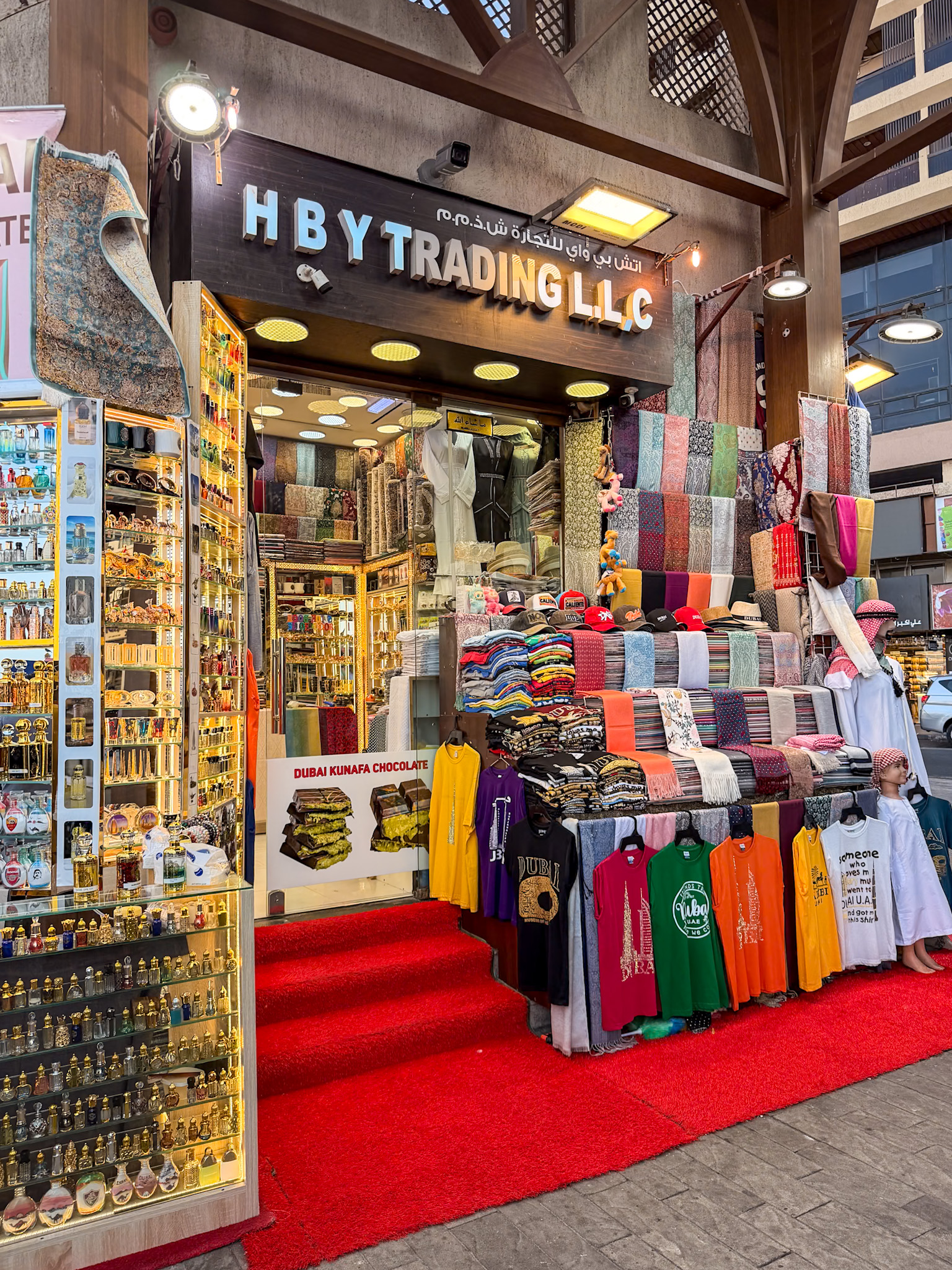
Old Baladiya Street is busy, local, and full of character. This is one of the main shopping streets in old Dubai, packed with small businesses, local shops, and markets lined up back-to-back. If you’re looking for authentic shopping and good deals, this is the place.
It’s also a great spot to buy a traditional mosque outfit without paying tourist prices. There are endless options, and prices are much better than in malls. One standout stop is Damt Dar Almadani Trading LLC—they have an excellent selection, and their camel milk tea is so good I brought a whole bag home with me.
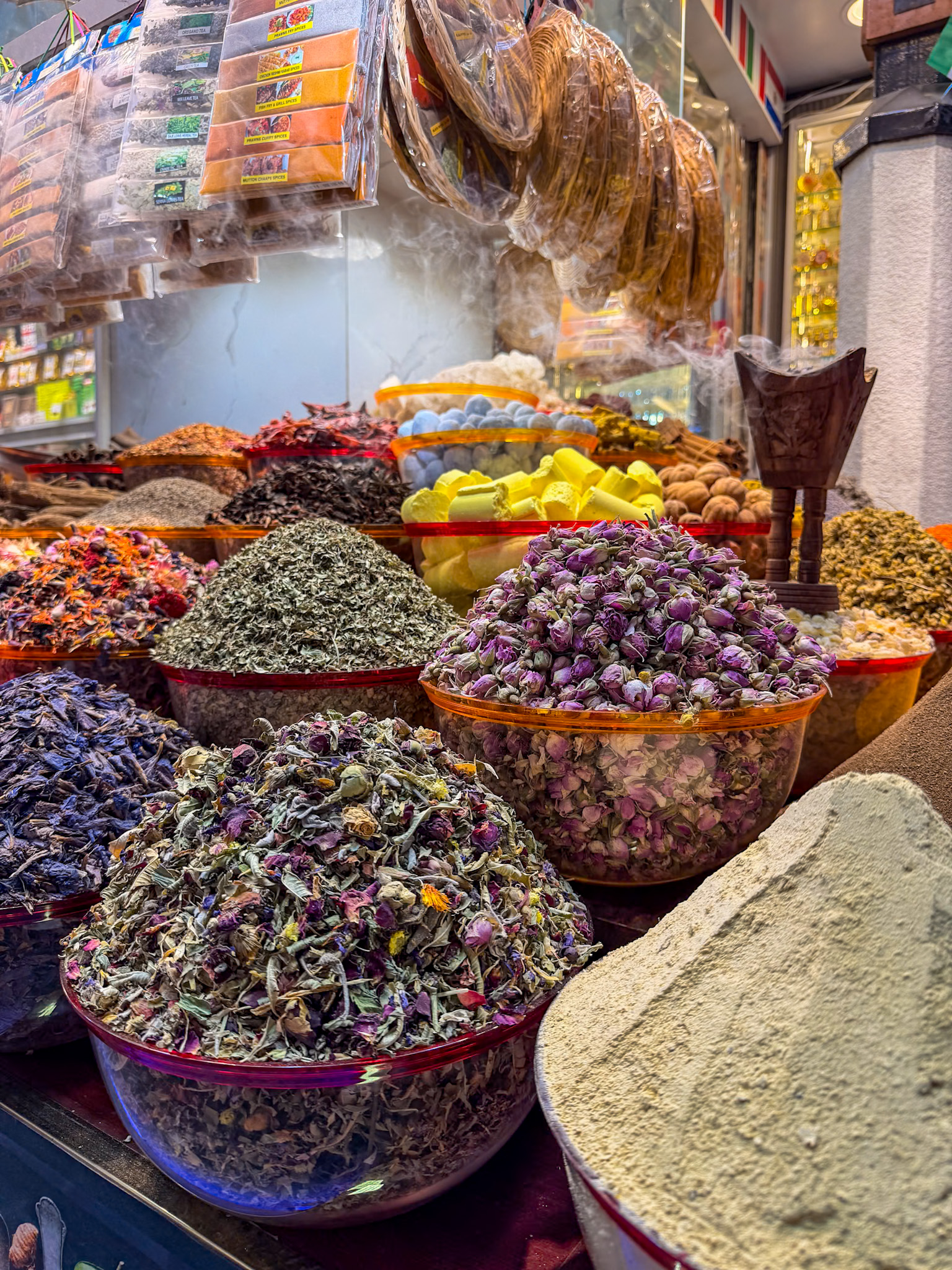
If you have room in your suitcase, the local honey is worth picking up. Don’t skip the chocolate-coated dates with walnut centers, the biscuit chocolates with almond centers, or the fruit tea. The tea smells incredible and is made from a special green leaf tea known for its health benefits.
You’ll also find gold and spice markets nearby. For gold jewelry, head toward the Deira Gold Souk, where you’ll see countless shops with competitive pricing. It’s a great place to browse—just plan to compare prices and take your time.
If shopping is high on your list, learn more in my post about the Best Souvenirs to Buy in Dubai.
Al Fahidi, Dubai Creek, Al Seef, and Old Baladiya Street all work well together and can easily be explored in half a day. Starting early makes everything smoother—parking is easier, crowds are lighter, and the experience feels more relaxed.
If you’re coming from another part of the city, renting a car helps keep the timing flexible. Discover Cars is the easiest way to compare rental options without jumping between multiple sites.
This side of Dubai is best enjoyed slowly. Walk the lanes, browse the markets, take the abra, and let the day unfold naturally. It’s a side of the city that feels grounded, practical, and very real—exactly what makes it worth visiting.

Come for the architecture, stay for the view.
The Chapel of the Holy Cross has been built into Sedona’s red rocks since 1956. The outside overlooks get busy, but inside is quiet, with huge windows framing the rocks. It’s free, takes 30-45 minutes, and has a paved, wheelchair-accessible ramp. Make sure to bring water in summer.
Save this for your trip planning!

Order it well done. Trust me.🍑🍕
Peach & Pancetta Pizza at Hideaway House in Sedona: roasted peaches, salty pancetta, ricotta, basil, extra-crispy crust. Split the house salad, grab a prickly pear lemonade, and get a patio table facing the red rocks. Skip the bread if you want room for another slice.
Save this for your Sedona trip✈️
Pack your bags, Denver is not just a mountain layover. RiNo alone can eat a full day between the murals, food, and bars. Skip the concert and hit Red Rocks midday instead, you’ll basically have it to yourself. Golden’s a 30-minute trip if you want a change of pace, and if food drives your travel like it does mine, Denver Central Market and BRUTØ deserve real time on the calendar. Give it three days minimum, four if you’re eating your way through it. Save this.
Stayed at The Maven in Denver’s Dairy Block and the location alone sold me, walking distance to Union Station and most of downtown, string lights right outside at night. The room was spacious and quiet, even had a swing in it. Real talk though, there’s a $28 daily resort fee and parking isn’t cheap, valet ran us $59 a day. Bed was a little firm, but that’s the only complaint I’ve got. Save this before you book.
Four Denver dinners, four totally different nights out. 🍽️
BRUTØ is the Michelin splurge, fermentation-heavy tasting menu, priciest of the bunch, and I still think about it. Tavernetta is the classic pick, warm and polished with focaccia that lives up to the hype. Corsica is my actual favorite: French-Italian small plates, best value by far, the one I’d rebook every time. Hop Alley keeps it laid-back with RiNo energy and shareable plates that hit way harder than the vibe suggests.
Save this before your next Denver trip.✈️
#DenverEats #DenverRestaurants #ColoradoFoodie #RiNoDenver

Follow @travelwithwendyplummer for Beautiful Beach Destinations, City Guides, Foodie Spots, and Luxury Hotel Recommendations.