
Spring (April–June)
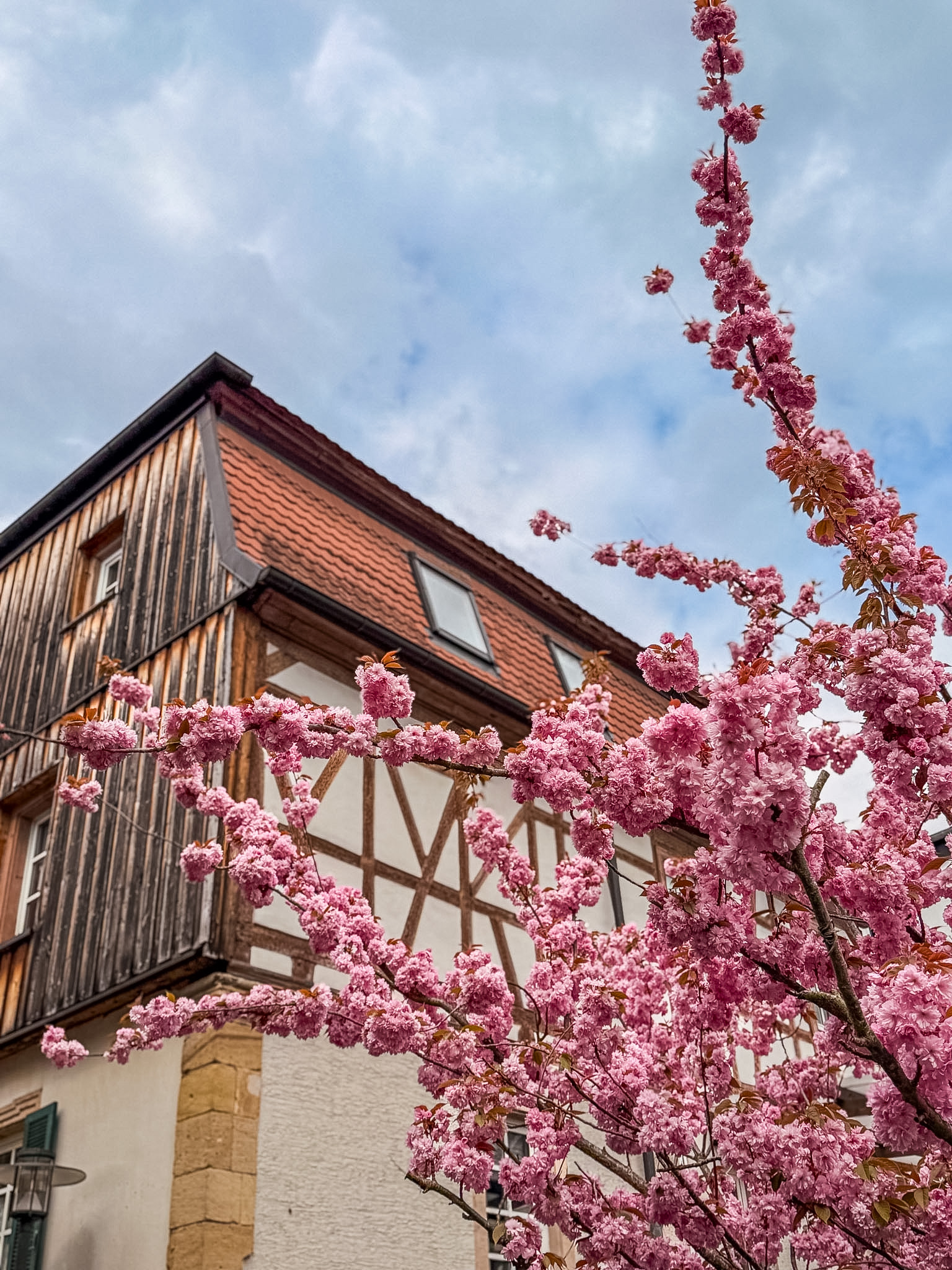
Mild temperatures and fewer crowds. Cities start to feel more active again, and outdoor areas open up. Good time for walking-heavy trips without peak crowds.
Summer (July–August)
Warmest weather and busiest season. Long daylight hours make it easy to fit a lot into each day. Popular areas and trains can get crowded, especially in Munich and along the Rhine.
Fall (September–October)
One of the best times to visit. Cooler weather, smaller crowds, and seasonal events like Oktoberfest in Munich. Good balance of activity and comfort.
Winter (November–March)
Colder, but Christmas market season (late November–December) is a major draw. Cities feel quieter outside of holiday weeks, and indoor activities become the focus.
Visit major sites like the Berlin Wall, Brandenburg Gate, and Museum Island. The city is spread out, so plan to use public transportation between areas.
Walk through Marienplatz, step into traditional beer halls, and explore the surrounding region. Munich feels more organized and classic compared to Berlin, with a strong local identity.
One of Germany’s most recognizable landmarks, located in southern Bavaria. It’s about a 2-hour trip from Munich and requires advance planning, especially in peak season.
Known for castles, vineyards, and small towns along the river. You can explore by train, car, or river cruise with easy stops along the way.
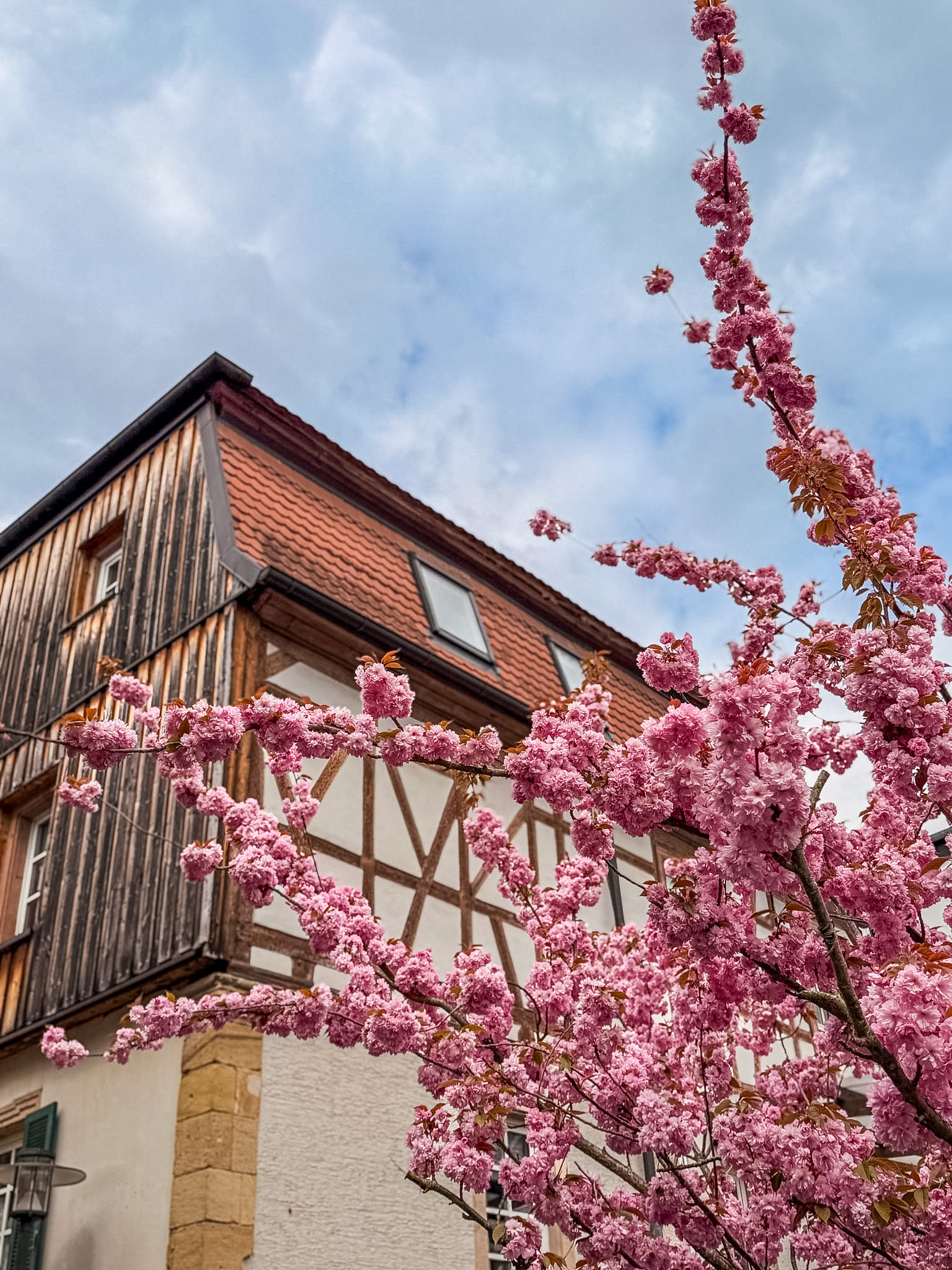
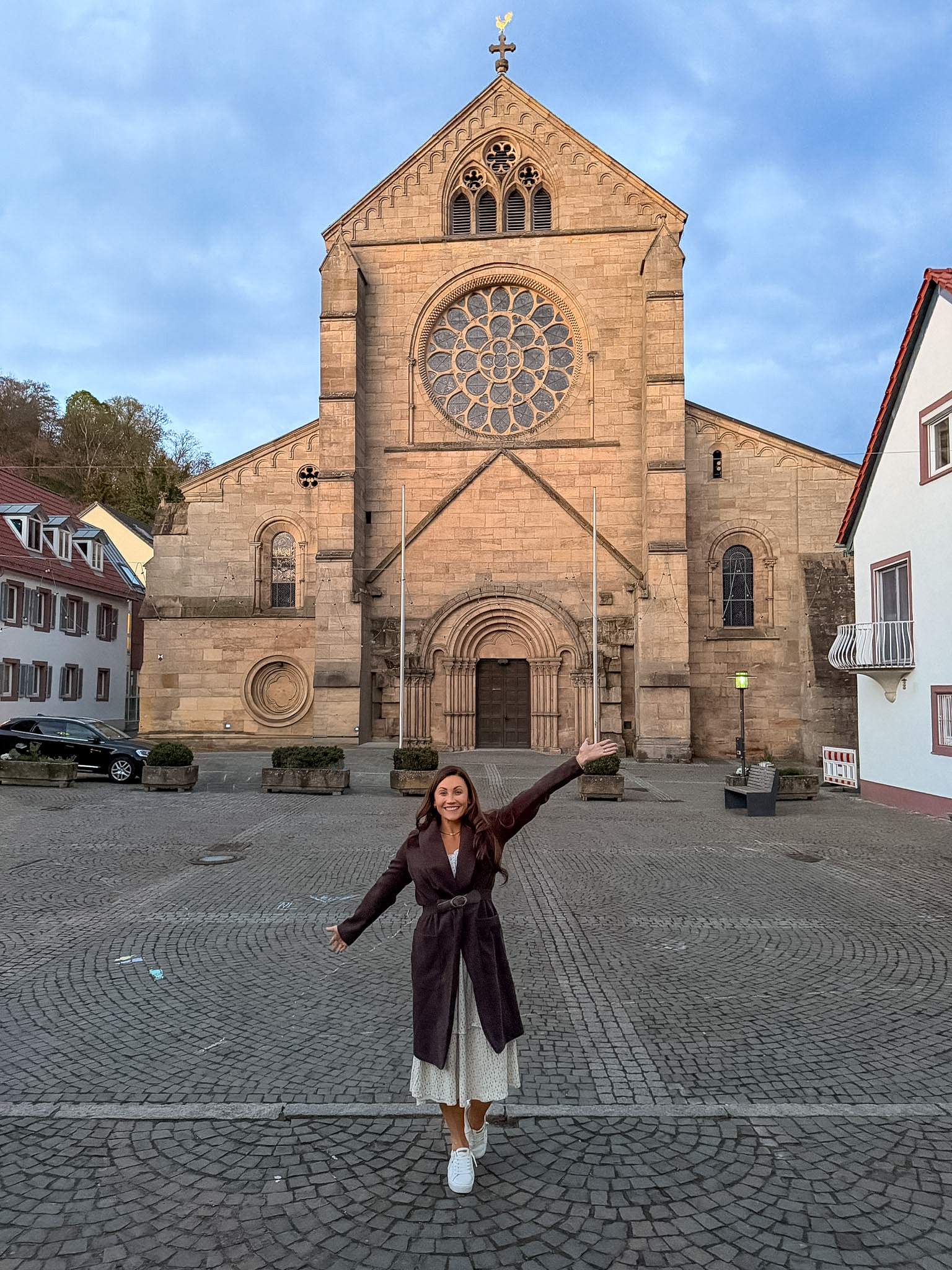
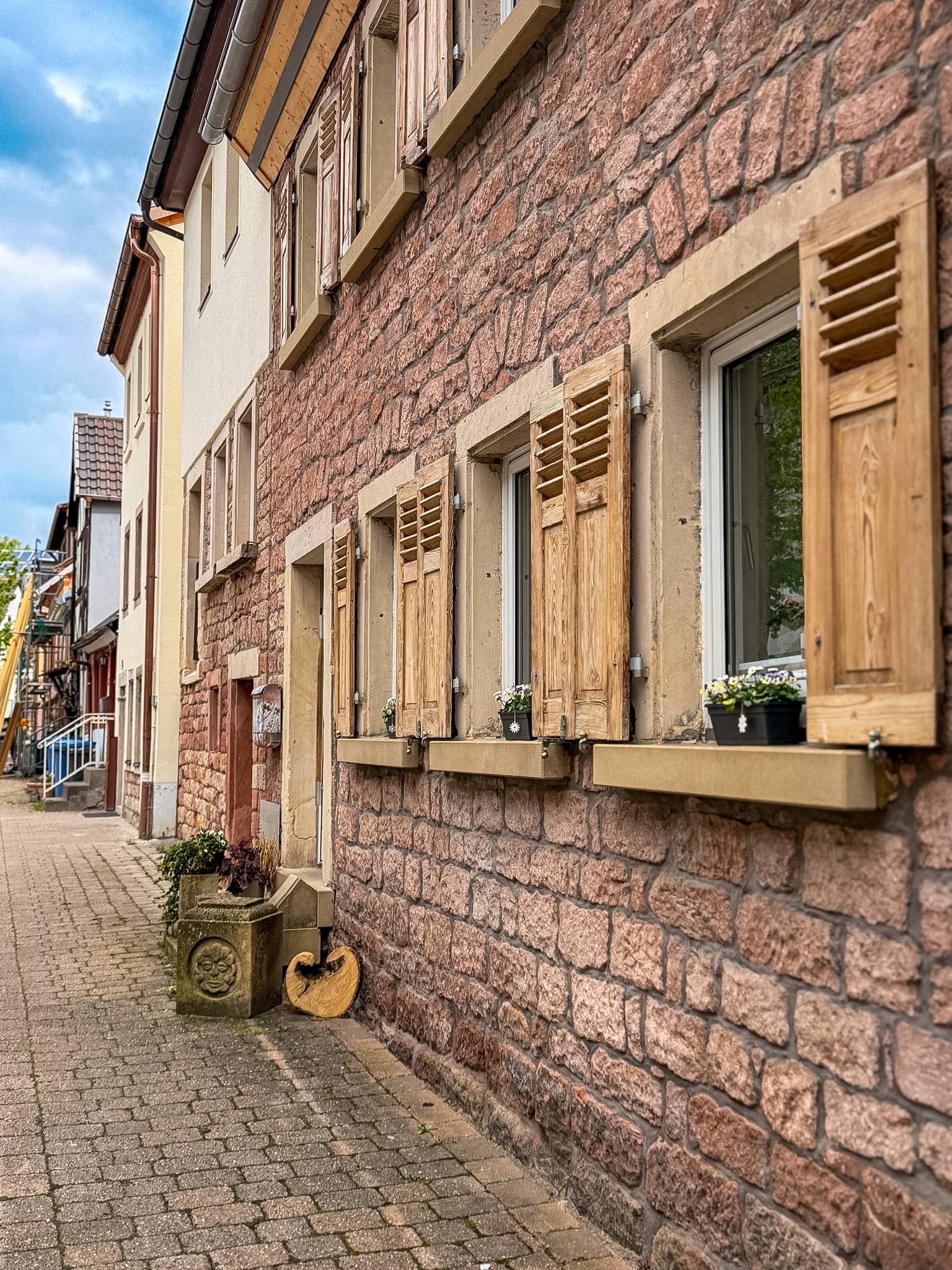
Places like Rothenburg ob der Tauber have preserved town centers, walkable streets, and a slower pace that feels very different from the major cities.
If you’re visiting in winter, these pop up in city centers across the country with food, drinks, and local goods. Each one has a slightly different feel depending on the location.
Germany has several major international airports, and the best one depends on your itinerary.
Flights from the U.S. typically arrive overnight, landing in the morning.
Trains connect directly from major airports into city centers, so you usually don’t need a car right away.
Germany’s transportation system is one of the easiest in Europe to use.
Trains (Deutsche Bahn)
Fast, reliable, and connect almost every major city and region. High-speed ICE trains are efficient for longer distances.
Public Transportation (U-Bahn, S-Bahn, Trams)
Cities have well-connected systems that are easy to navigate. Tickets are time-based and often work across multiple transit types.
Driving
Renting a car is useful for exploring smaller towns or regions like Bavaria. The Autobahn has sections with no speed limit, but traffic rules are strictly followed.
Walking
Most city centers and smaller towns are very walkable once you’re there.
Power Outlets
Type C and F plugs (230V). You’ll need an adapter from the U.S.
Time Zone
Central European Time (CET), 6 hours ahead of Eastern Time
Cash vs Card
Credit cards are accepted in cities, but many smaller places prefer cash. It’s normal to carry some euros.
Tipping
Service is usually included, but rounding up or adding ~5–10% is standard.
Water
Tap water is safe to drink. Bottled water at restaurants is usually still or sparkling (and you’ll be asked which one you want).
Language
English is widely spoken, but basic German phrases are appreciated.
Basic phrases to know:
• Hallo — Hello
• Danke — Thank you
• Sprechen Sie Englisch? — Do you speak English?
Confession: my newsletter is where the good stuff lives. Not the polished, edited-for-the-grid stuff, the “here’s the hole-in-the-wall I almost skipped” stuff, the packing lists I actually use, the “don’t book this hotel” warnings before you waste your money on them.
The newsletter is basically me texting you before a trip instead of after one. Sign up and you’ll be the first to know where I’m headed next, plus a few things I’ll never post here.
Link in bio if you want in. ✈️

Yes, it’s only July. Start planning anyway. Fall books faster than people expect, and a few of these destinations are worth getting ahead of. Here are five places worth putting on your radar right now.
Ireland: Cooler temps, moody skies, dramatic coastline fall was made for it. Tourist crowds drop, the green stays, and the whole country feels a little more like itself.
Great Smoky Mountains, TN/NC: Fall foliage in the Smokies is the real thing. The color peaks mid-October and the views from the ridgelines are hard to argue with. It’s also one of the most visited national parks in the country, so going on a weekday makes a real difference.
New York City: Fall is NYC at its best comfortable temps, the energy of the city shifting into a new season, and every neighborhood doing something worth showing up for. It’s also just a great walking city when it’s not brutally hot.
Japan: Fall foliage season is as good as spring cherry blossoms and somehow less talked about. The colors are dramatic, the temples and gardens are stunning, and it’s worth planning around peak dates by region.
Mystic, Connecticut: Small, walkable, genuinely charming Mystic in fall feels like exactly what a New England autumn is supposed to look like. Easy to pair with a broader New England road trip if you want to extend it.
Full guides linked in bio 🍂
There are two kinds of travelers: people who plan a trip and then figure out where to eat, and people who book a restaurant and then build the rest of the itinerary around it.I am the second kind. I will not apologize for this.
The reservation gets locked in first. The hotel search happens within the same 24 hours. The flights get compared around the restaurant’s hours of operation. The rest of the trip exists to fill the days before and after the table I actually came for.
If this sounds unhinged, I completely understand. It has also resulted in some of the best meals of my life, so I’m going to keep doing it.
Drop a 🍽️ if you plan your trips around food too.
Let’s talk about when to actually book that Dubai trip you’ve been pinning for two years. I get asked this constantly, so here’s the honest breakdown: October through April is your window. Anything outside that and you’re basically touring in a sauna!
October and November give you warm days and cooler nights, which is basically the sweet spot for wandering around without melting. December through February is peak season: gorgeous weather. March and April are the quiet insider pick, right before summer heat shows up and ruins everyone’s plans.
Saving this for later? That’s what it’s here for. Full breakdown linked in bio.
If you’re chasing energy, beaches, nightlife, and nonstop luxury, Dubai takes the crown. If you’re craving culture, iconic architecture, and meaningful landmarks at a slower pace, Abu Dhabi shines.🤍
My advice? Base yourself in Dubai and do Abu Dhabi as a day trip! The perfect balance of excitement and culture in the UAE.
Want the full breakdown? Check out my Dubai and Abu Dhabi guide for tips, itineraries, and must-sees!

Follow @travelwithwendyplummer for Beautiful Beach Destinations, City Guides, Foodie Spots, and Luxury Hotel Recommendations.