
The best time to visit Idaho depends on what kind of trip you’re planning, but late spring through early fall is generally ideal.
Summer (June–September) is peak season for hiking, lakes, waterfalls, road trips, and hot springs. Mountain towns fully wake up, scenic byways are open, and the weather is warm but rarely unbearable—especially compared to desert destinations.
Late spring (May–early June) is great for waterfalls and fewer crowds, though some higher-elevation trails may still have snow.
Fall (late September–October) brings cooler temps, golden foliage, and quieter towns—perfect if you want scenery without peak-season chaos.
Winter is best if skiing or snow sports are your priority, but many outdoor attractions become inaccessible without planning.
If you’re following this Idaho travel guide for hiking and exploring, aim for June through September.
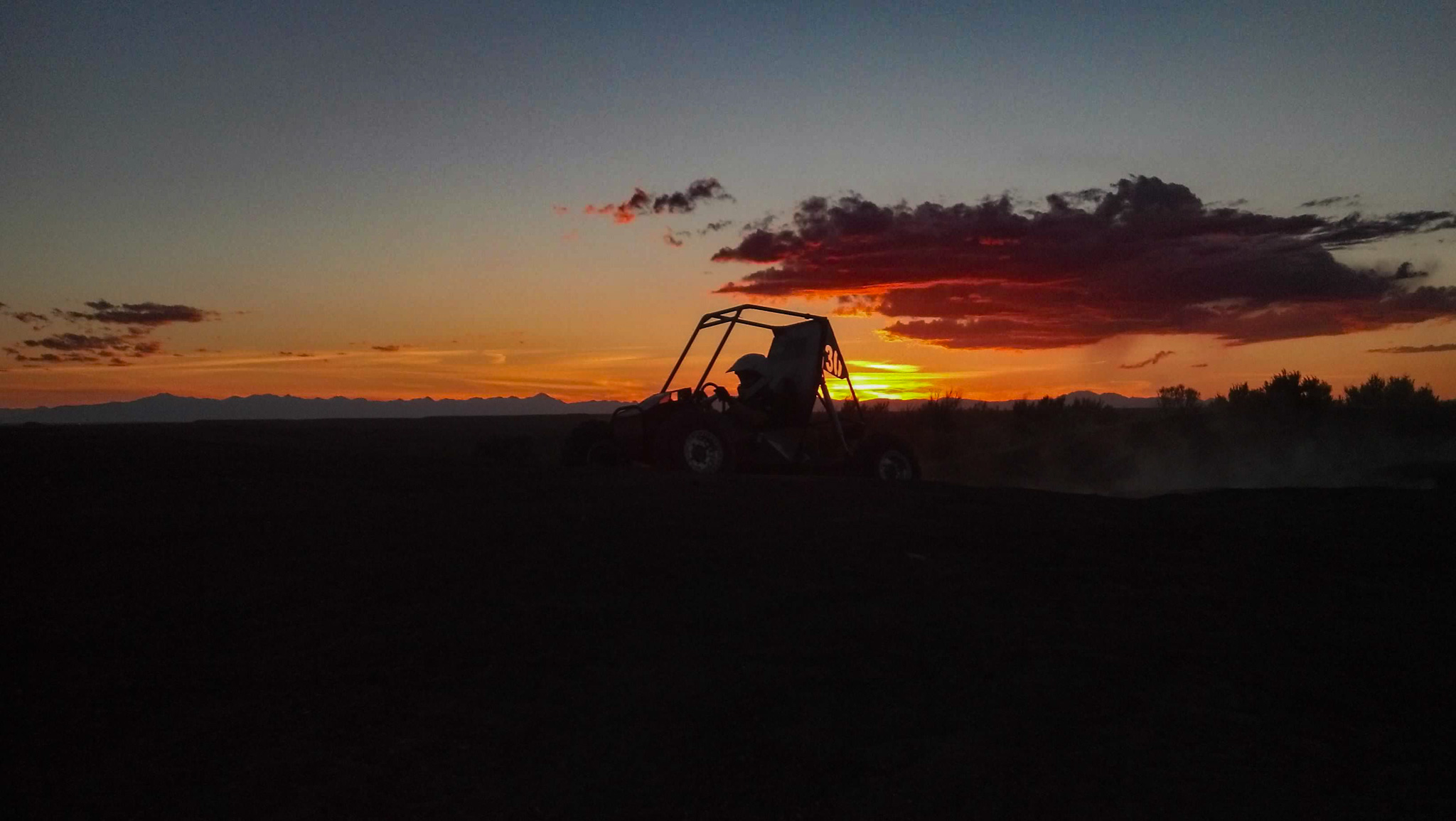
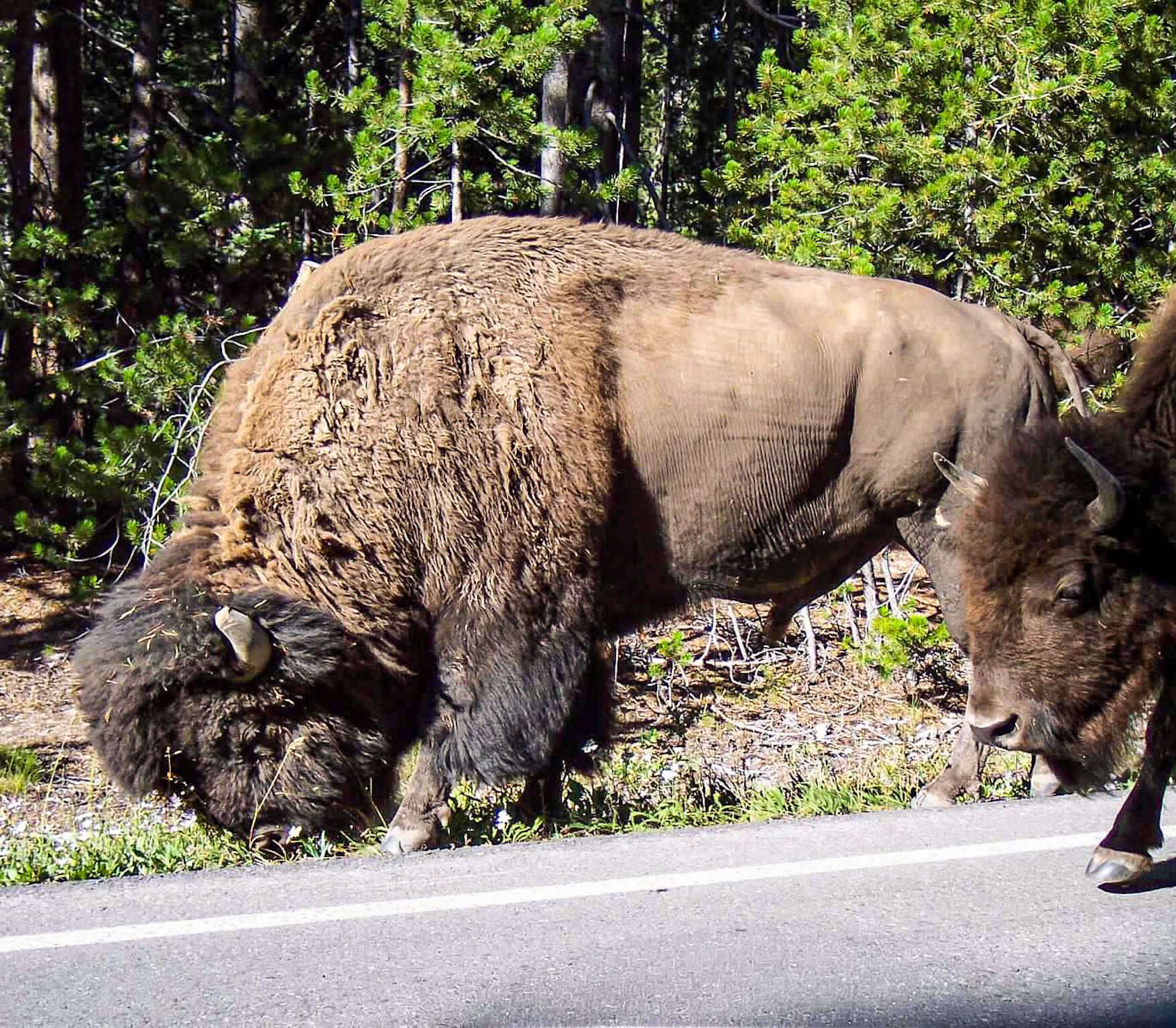
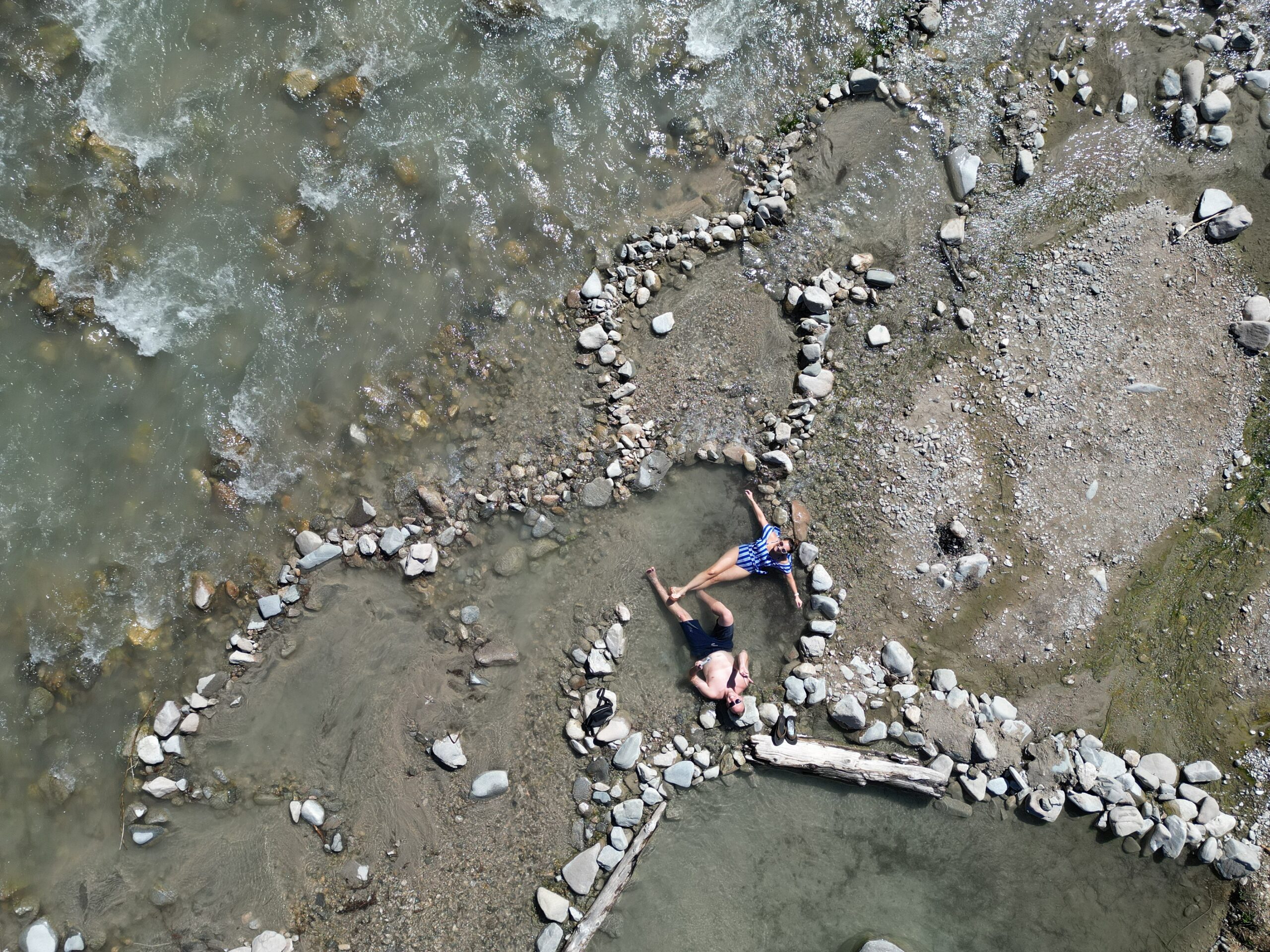
Idaho’s biggest strength is variety—you can go from mountain hikes to wine tasting to soaking in hot springs all in the same trip.
Explore Boise
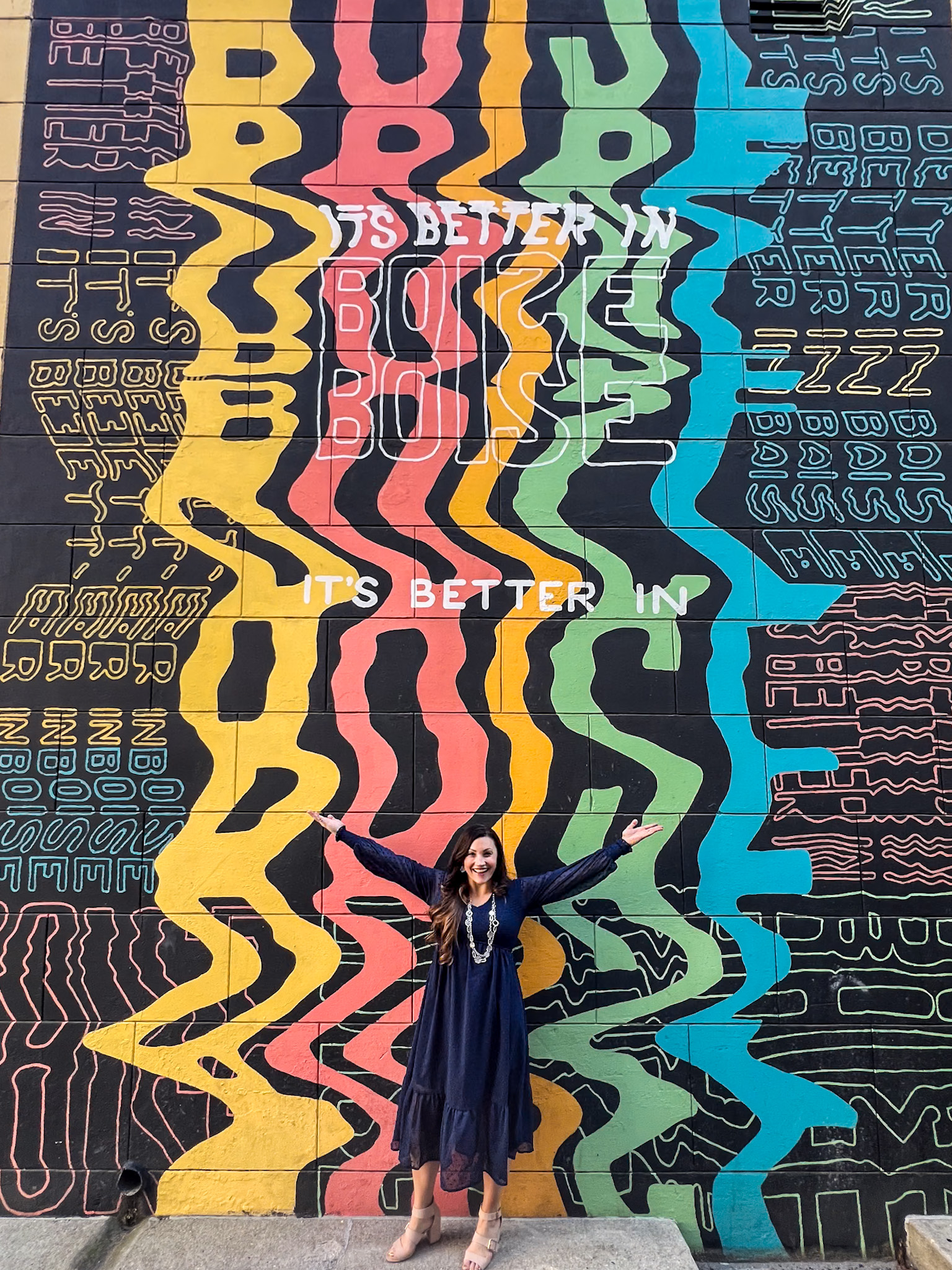
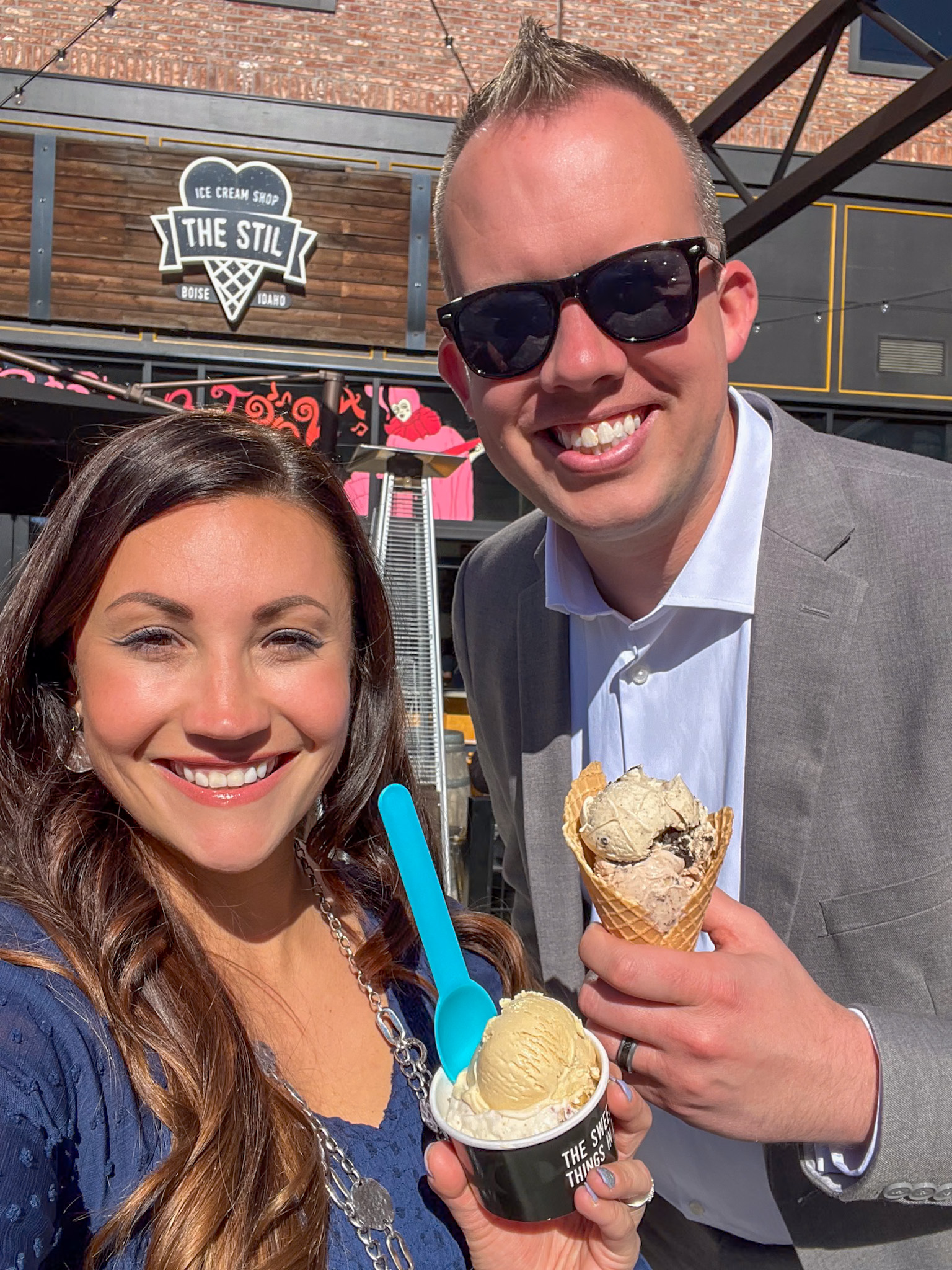
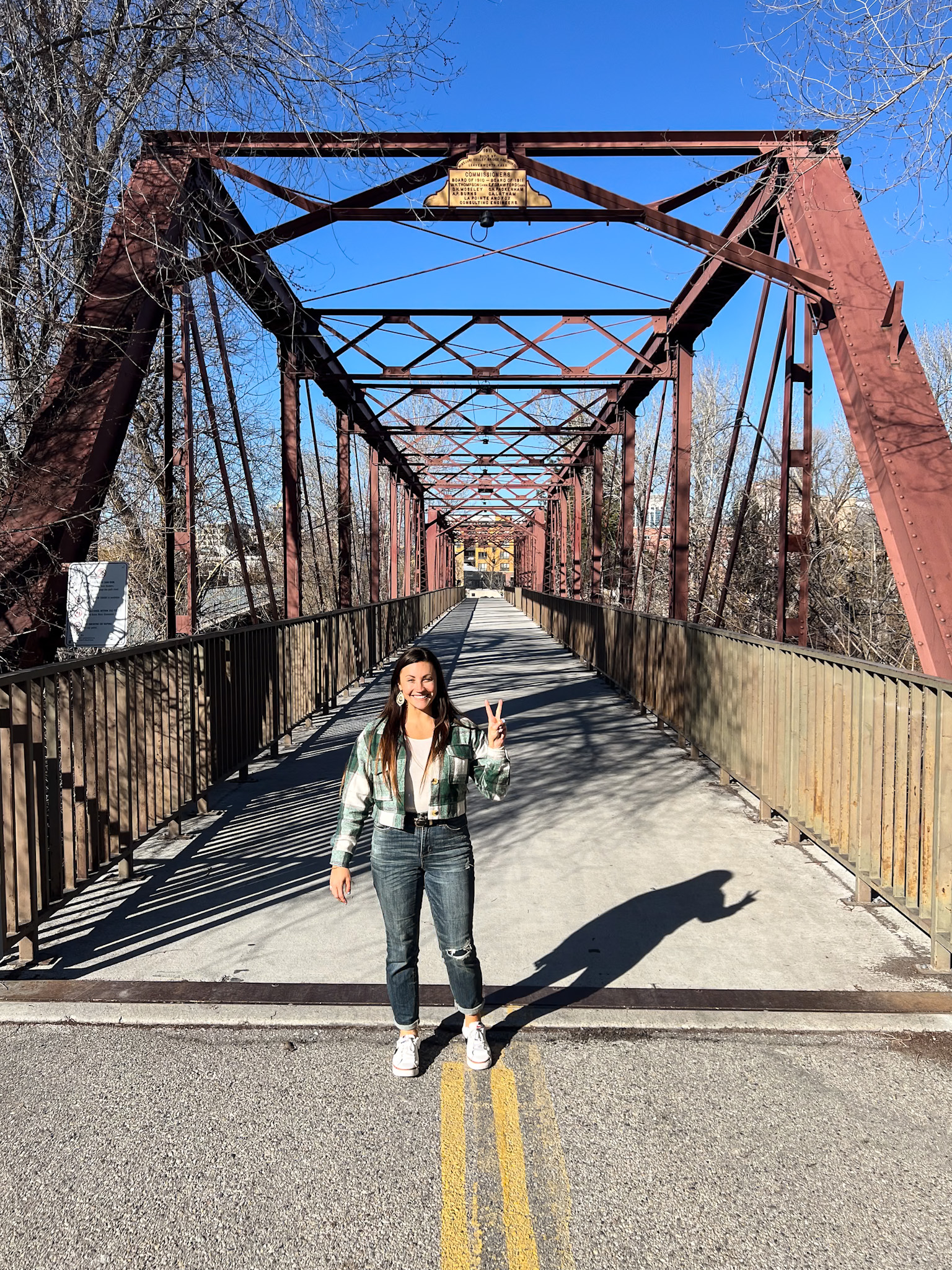
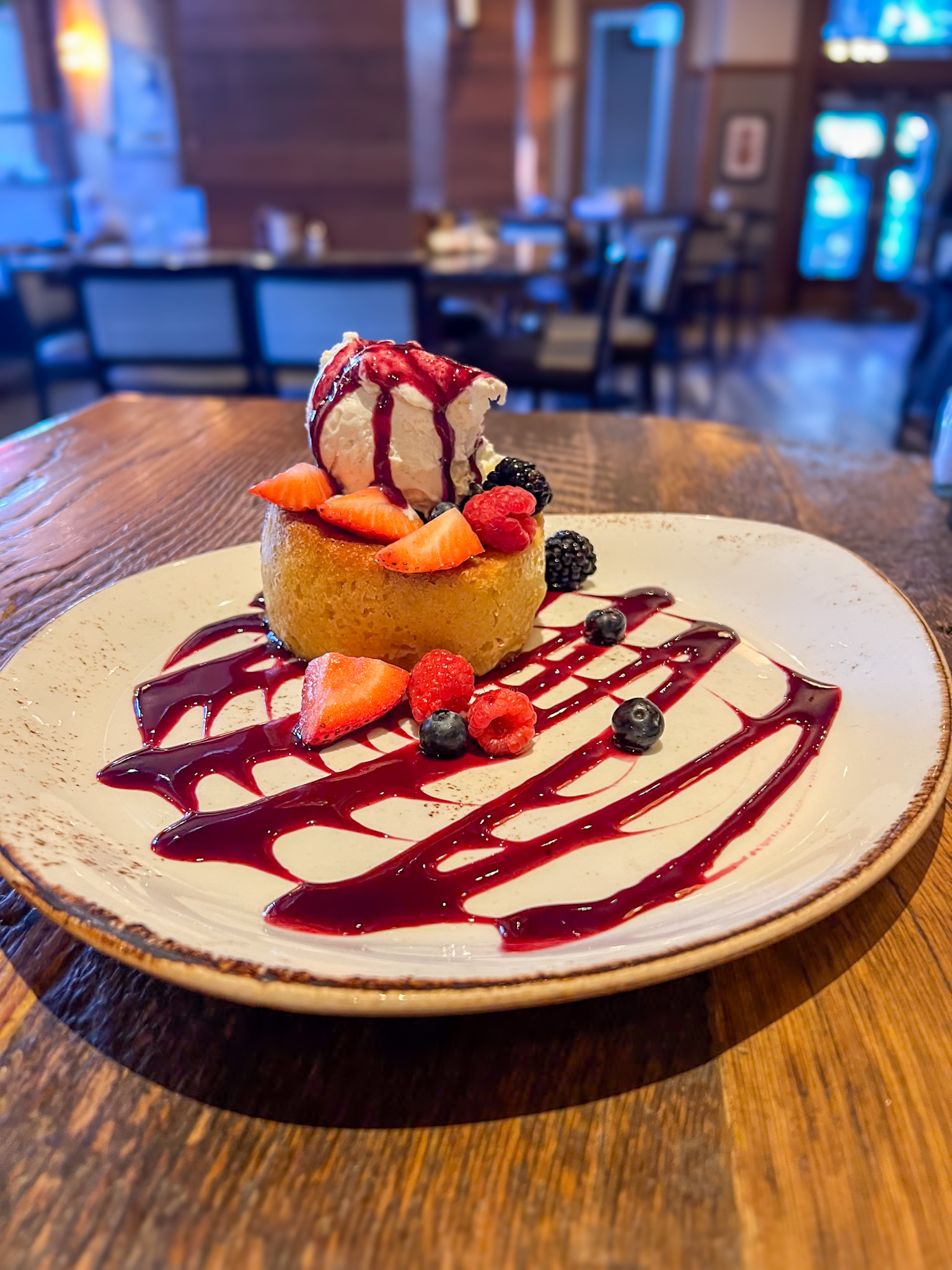
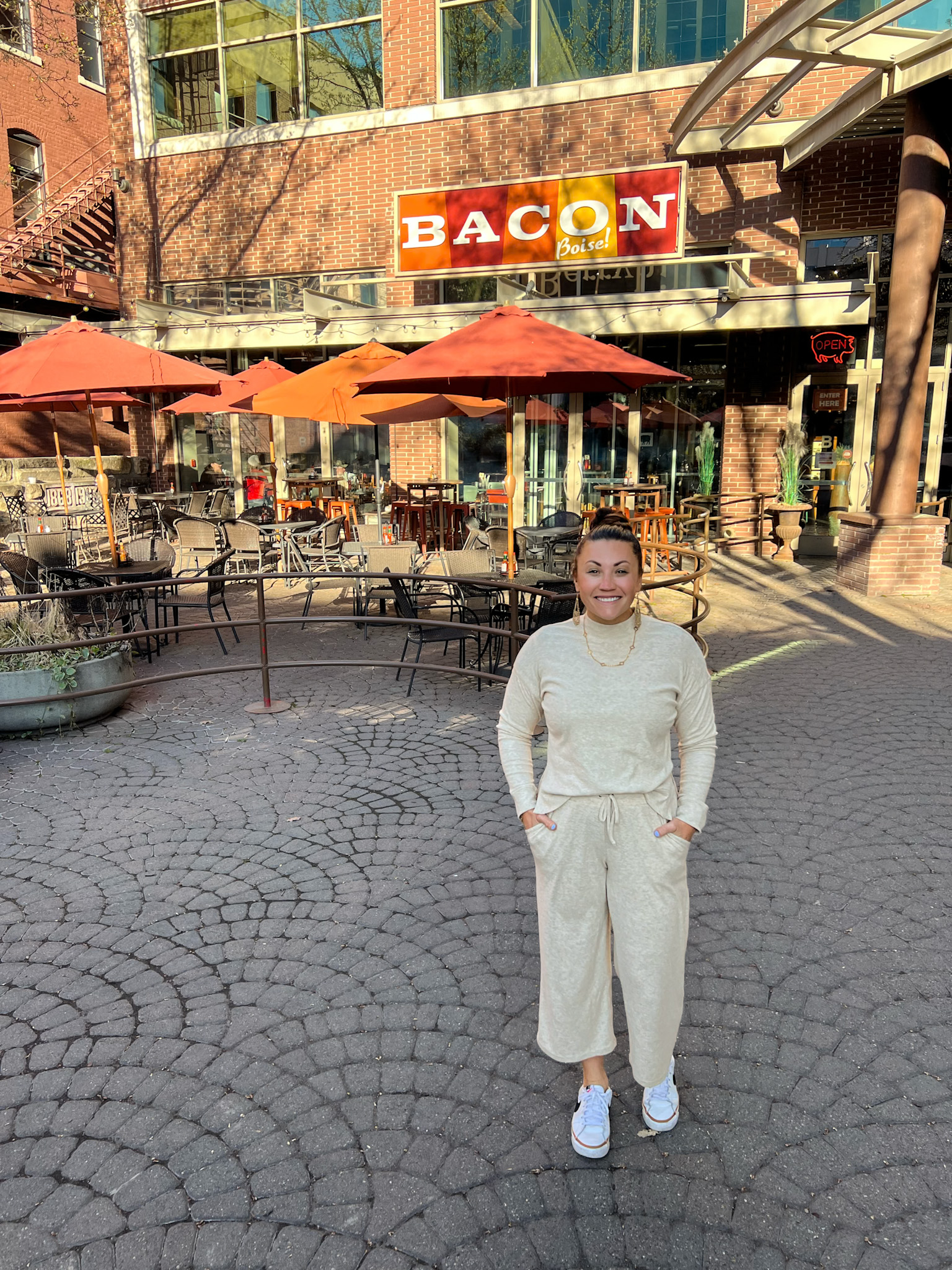
Boise surprises first-time visitors in the best way. Expect a walkable downtown, great restaurants, breweries, riverfront paths, and access to nearby foothill hikes without leaving the city.
Visit the Sawtooth Mountains
Sawtooth Mountains are a must. Think jagged peaks, alpine lakes, and some of the most photogenic scenery in the state. Stanley is the classic base town here.
Soak in Natural Hot Springs
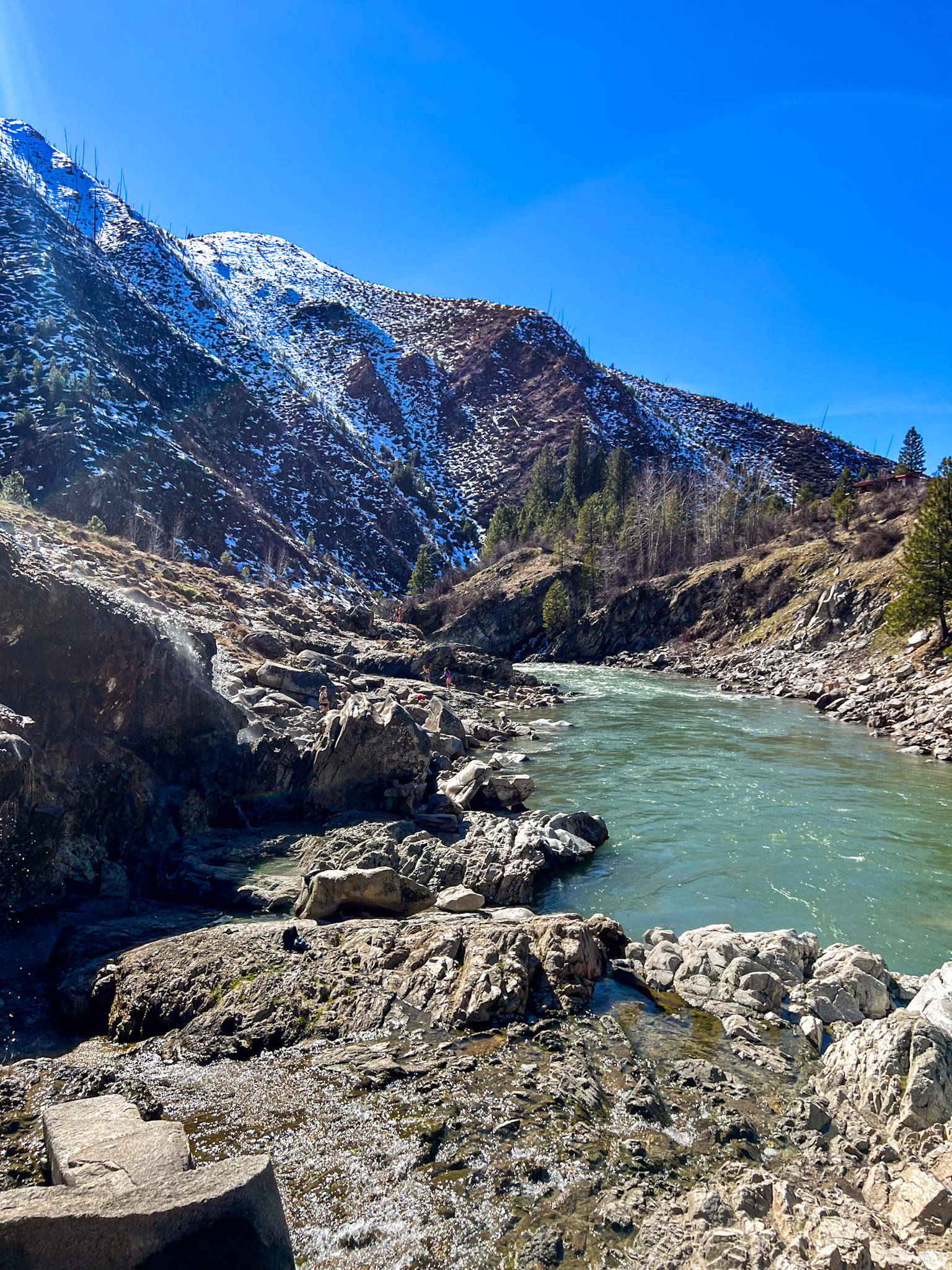
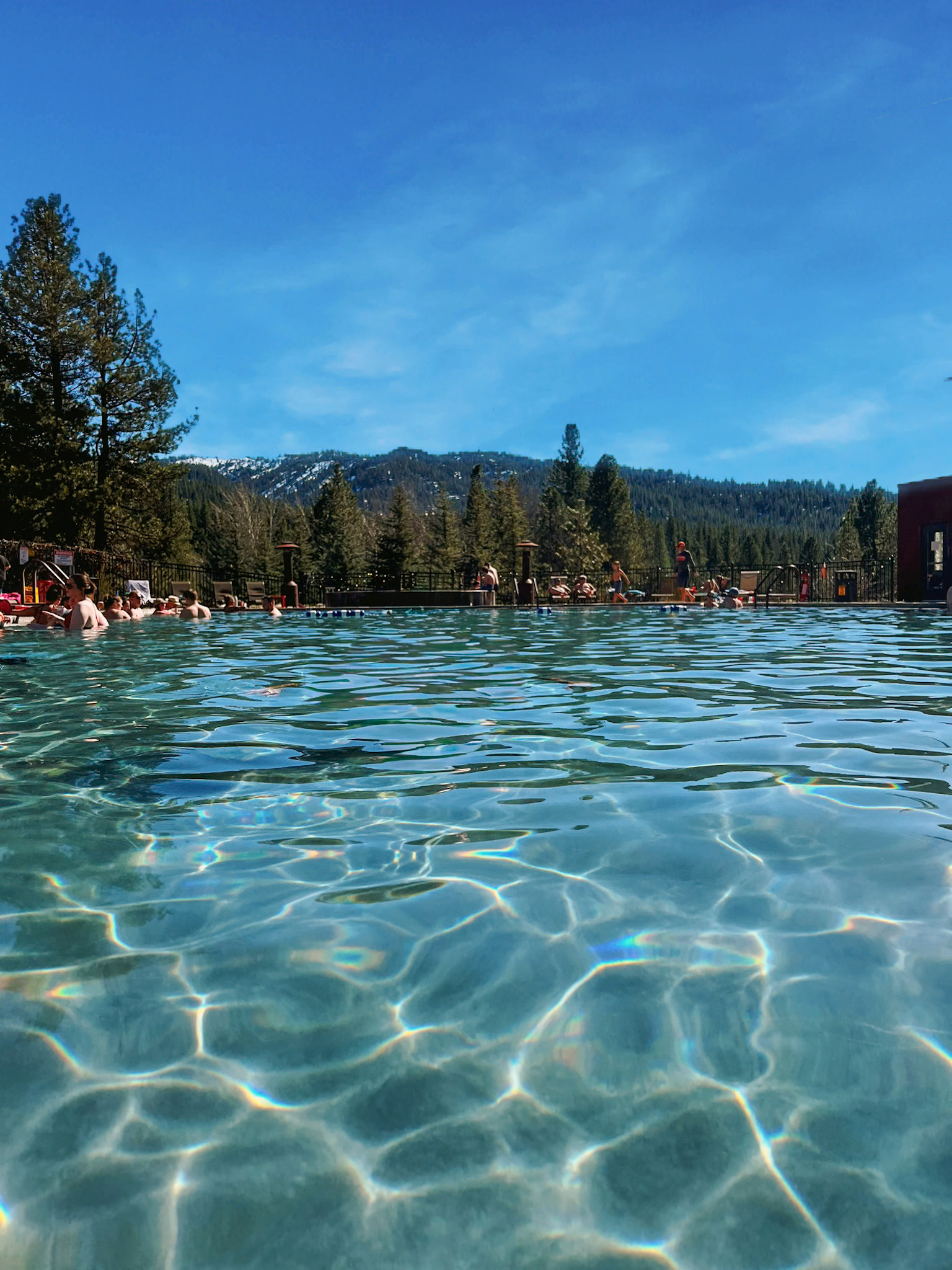
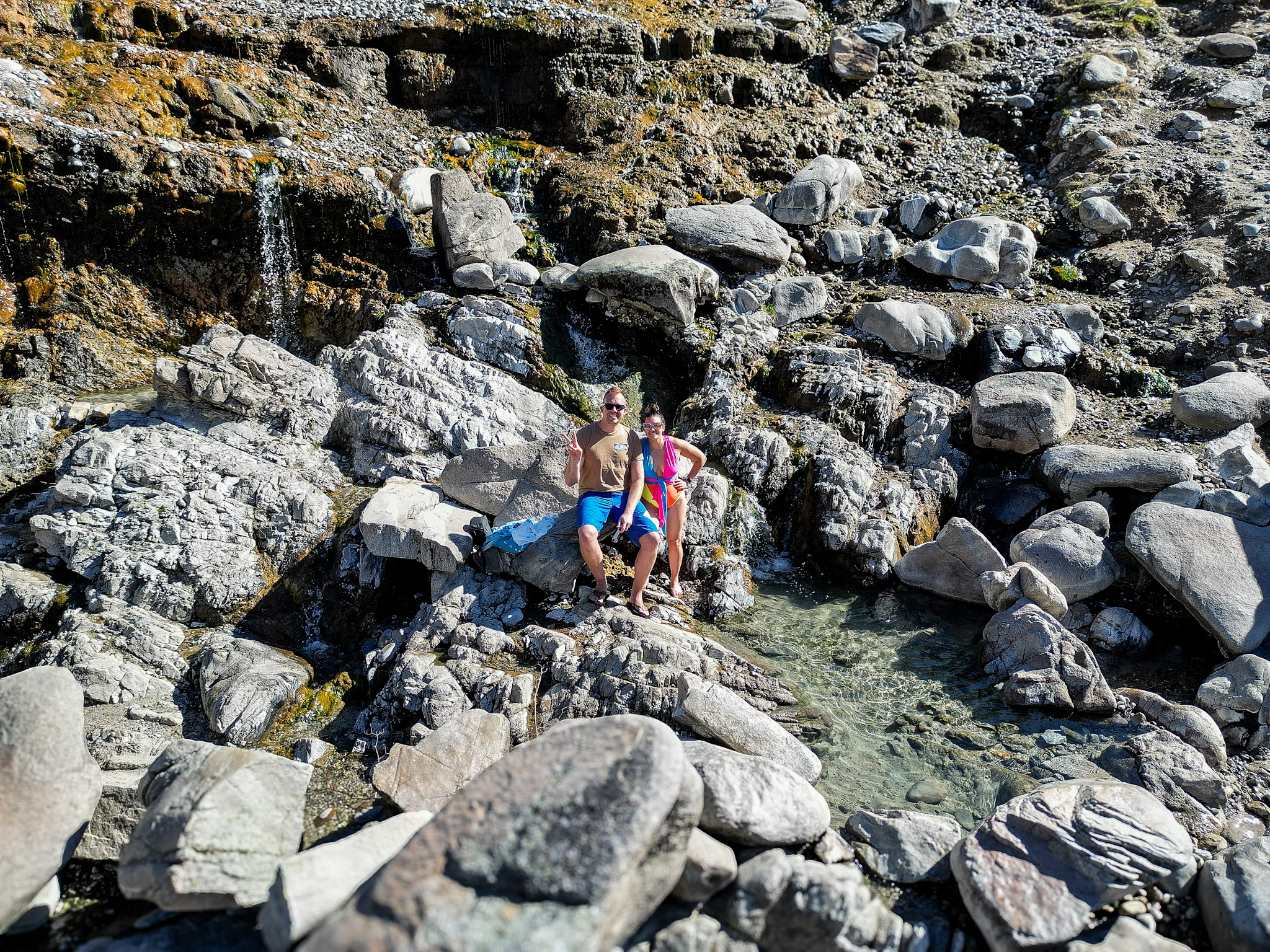
Idaho is packed with hot springs—some right off the road, others requiring short hikes. Many are free and surrounded by unreal scenery, which makes them even better.
Road Trip Scenic Byways
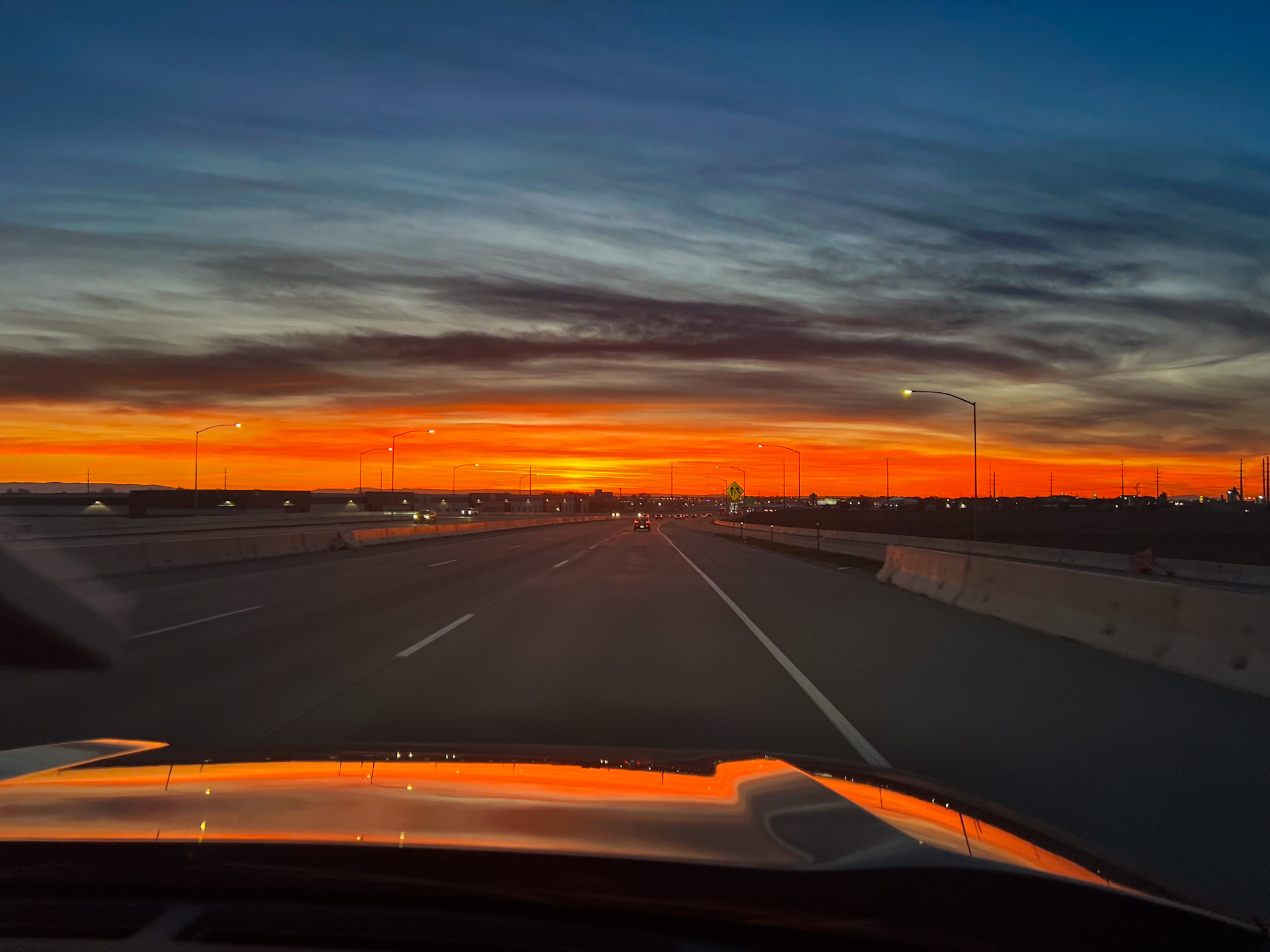
Idaho’s scenic drives are underrated gems. Expect mountain passes, rivers, wildlife sightings, and frequent “pull over immediately” viewpoints.
Small-Town Exploring
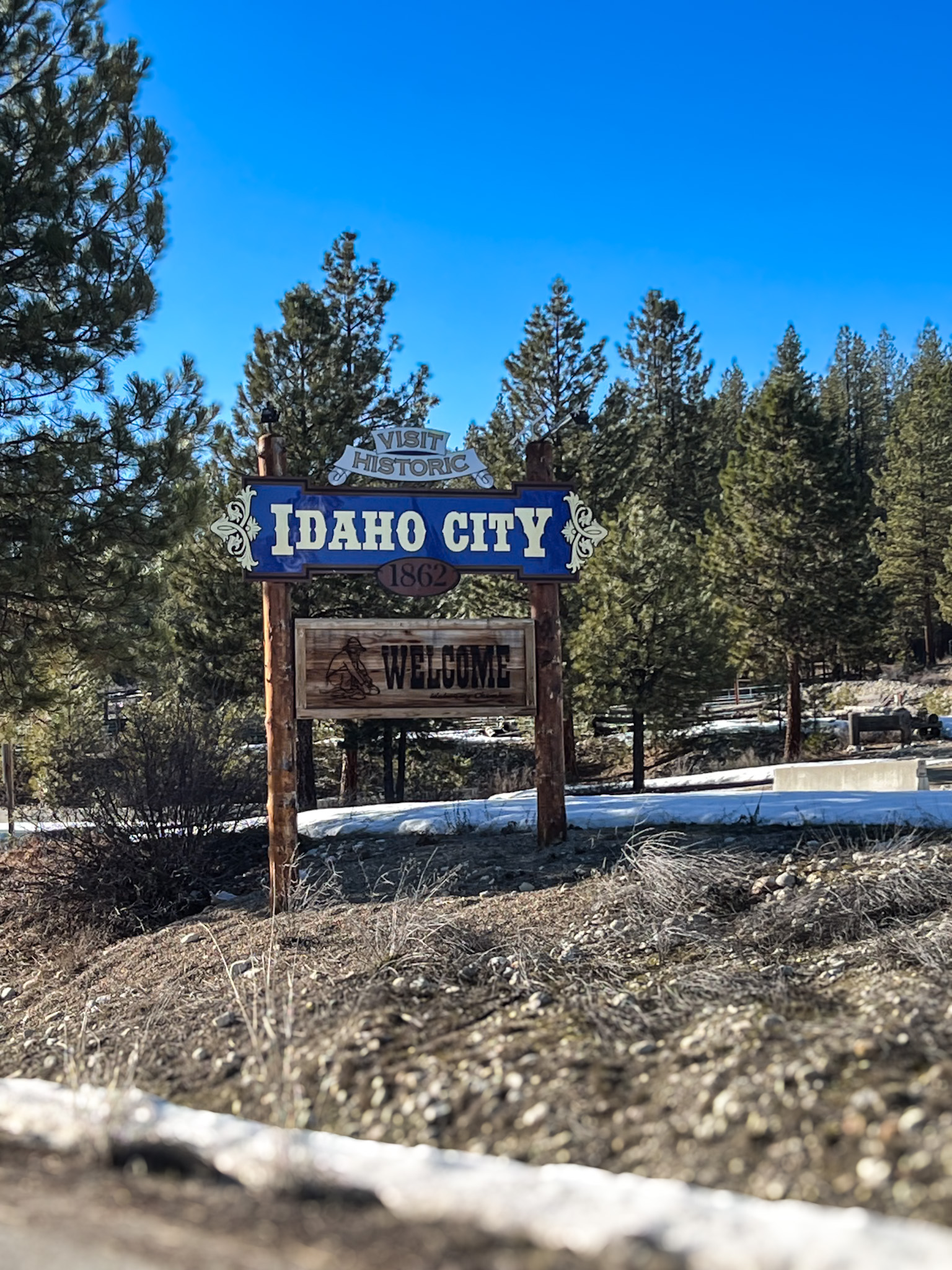
Places like Idaho City, Ketchum, and McCall offer historic charm, local shops, and slower-paced exploring that balances out adventure-heavy days.
This Idaho travel guide highlights experiences that feel real, memorable, and true to what makes Idaho special.
Most travelers fly into Boise Airport (BOI), which is the main hub and the easiest starting point for exploring southern and central Idaho.
From Boise, you can easily build a road trip to mountain towns, hot springs, and national forest areas. Idaho is very road-trip friendly, and many of its best spots require a car anyway.
If you’re coming from nearby states, Idaho is also ideal for longer road trips from Utah, Montana, Wyoming, Oregon, and Washington—another reason this Idaho travel guide leans heavily into driving routes.
A rental car is strongly recommended—borderline essential.
Public transportation is limited outside of Boise, and many of Idaho’s best attractions are spread out across mountain roads, small towns, and rural areas.
Driving is generally easy, traffic is minimal compared to major cities, and the scenery alone makes the road time worthwhile. Just be prepared for spotty cell service in remote areas.
This Idaho travel guide assumes you’ll be exploring by car—and honestly, that’s where Idaho shines.
Download maps offline. Cell service disappears fast once you leave cities.
Plan fuel stops. Gas stations can be far apart in rural areas.
Layer up. Weather changes quickly in the mountains—even in summer.
Start early. Popular hikes and hot springs fill up faster than you’d expect.
Respect nature. Many hot springs and trails remain open because visitors follow Leave No Trace principles.
Don’t rush it. Idaho rewards slow travel and flexible itineraries.
If you like trips that mix adventure, scenery, and easygoing vibes, this Idaho travel guide should be firmly on your radar.
“Outside Terminal 3” is not a pickup location at PHX.
Before your driver pulls in, text them four things: your terminal, north or south side, door number, and inner or outer curb. Grab your bags first, then call them in. Drivers can wait free in the cell phone lot instead of circling. Getting through security is easy; getting picked up is the hard part.
Save this for your Phoenix trip ✈️

Come for the architecture, stay for the view.
The Chapel of the Holy Cross has been built into Sedona’s red rocks since 1956. The outside overlooks get busy, but inside is quiet, with huge windows framing the rocks. It’s free, takes 30-45 minutes, and has a paved, wheelchair-accessible ramp. Make sure to bring water in summer.
Save this for your trip planning!
Order it well done. Trust me.🍑🍕
Peach & Pancetta Pizza at Hideaway House in Sedona: roasted peaches, salty pancetta, ricotta, basil, extra-crispy crust. Split the house salad, grab a prickly pear lemonade, and get a patio table facing the red rocks. Skip the bread if you want room for another slice.
Save this for your Sedona trip✈️
Pack your bags, Denver is not just a mountain layover. RiNo alone can eat a full day between the murals, food, and bars. Skip the concert and hit Red Rocks midday instead, you’ll basically have it to yourself. Golden’s a 30-minute trip if you want a change of pace, and if food drives your travel like it does mine, Denver Central Market and BRUTØ deserve real time on the calendar. Give it three days minimum, four if you’re eating your way through it. Save this.
Stayed at The Maven in Denver’s Dairy Block and the location alone sold me, walking distance to Union Station and most of downtown, string lights right outside at night. The room was spacious and quiet, even had a swing in it. Real talk though, there’s a $28 daily resort fee and parking isn’t cheap, valet ran us $59 a day. Bed was a little firm, but that’s the only complaint I’ve got. Save this before you book.

Follow @travelwithwendyplummer for Beautiful Beach Destinations, City Guides, Foodie Spots, and Luxury Hotel Recommendations.