
Spring (April–June)
Mild weather, fewer crowds than summer, and everything is open again after winter. This is one of the easiest times to travel between countries without dealing with peak-season chaos.
Summer (July–August)
Warm weather and long days, but this is peak travel season. Prices go up, crowds are heavier, and popular cities get noticeably busy—especially places like Paris, Rome, and the Greek islands.
Fall (September–October)
Still warm in many places, but with fewer crowds. This is one of the best times for a balanced trip—good weather without peak-season pricing.
Winter (November–March)
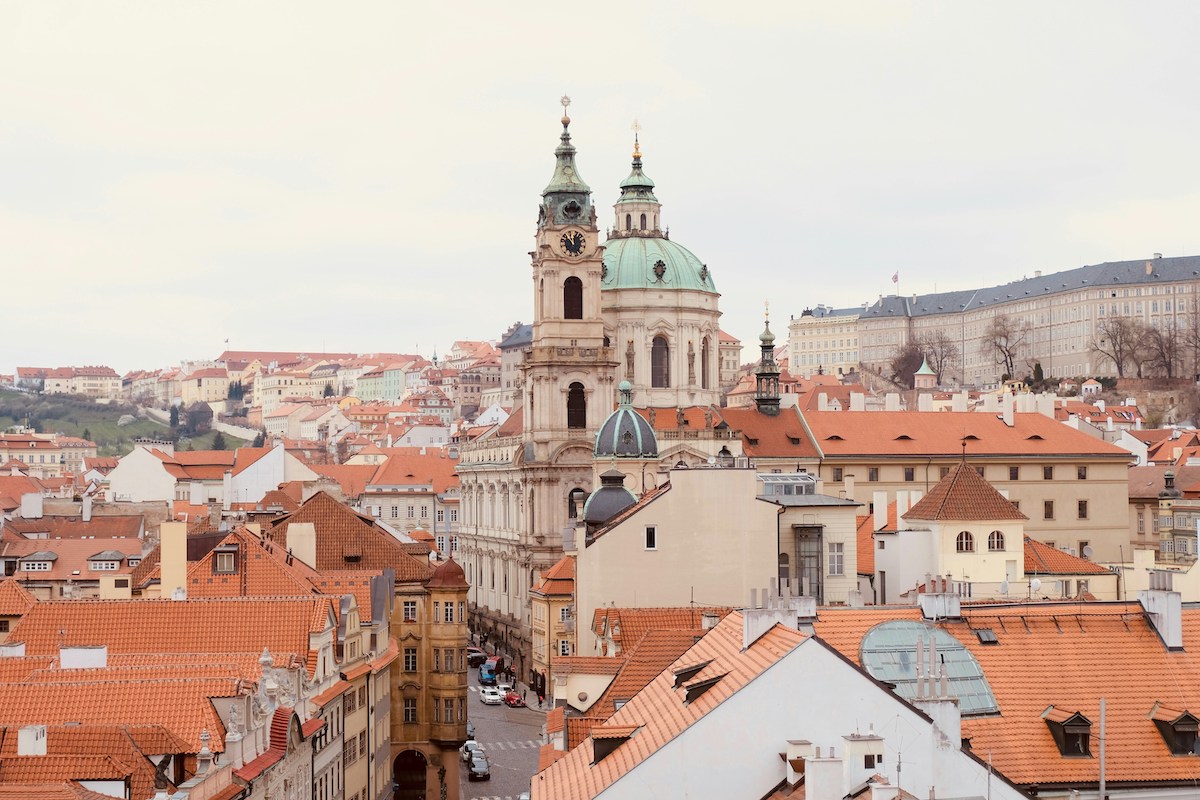
Colder, shorter days, and some smaller towns shut down. That said, cities like Vienna or Prague are known for Christmas markets, which change the experience completely.
Visit Major Landmarks (But Plan Around Them)
Seeing places like the Eiffel Tower or Colosseum is usually part of the plan, but timing matters. Early morning or late evening makes a noticeable difference.
Take a Train Between Cities
Europe’s train system is one of the easiest ways to travel. Routes between cities like Paris to Amsterdam or Rome to Florence are straightforward and save time compared to flying once you factor in airport logistics.
Explore Smaller Towns
Some of the best parts of Europe are outside the major cities. Places in Nantes, the South of France, or smaller Dutch towns feel completely different from capital cities.
Plan Around Food (It Matters Here)
Meals are slower and more intentional. Lunch can take an hour or more, and dinner is often later than in the U.S. It’s less about grabbing something quick and more about sitting down and staying a while.
Walk the Cities
Most cities are designed to be explored on foot. Comfortable shoes make a difference quickly.
Most major cities in Europe have international airports, so where you fly into depends on your itinerary. Common entry points include:
If you’re visiting multiple countries, it often makes sense to fly into one city and out of another (multi-city flights are usually worth checking).
Trains
The most efficient way to travel between cities. High-speed trains connect major destinations and are usually on time.
Flights (for longer distances)
Budget airlines make it easy to move between countries if you’re covering more ground.
Rental Cars (for rural areas)
If you’re visiting smaller towns, coastal areas, or countryside regions, renting a car makes a big difference.
Public Transportation
Most major cities have metros, buses, and trams that are easy to use. Walking is still a big part of getting around, even with public transport.
Power Outlets
Europe uses Type C, E, and F plugs (two round pins). You’ll need a universal adapter.
Time Zone
Most of Europe runs 5–9 hours ahead of the U.S., depending on location.
Tipping
Tipping is not the same as in the U.S. In many places, service is included, and rounding up is common instead of adding 20%.
Water
Tap water is generally safe to drink in most countries.
Payments
Credit cards are widely accepted, but some smaller places still prefer cash.
Make Dynamic
Make Dynamic
Make Dynamic
Make Dynamic
Confession: my newsletter is where the good stuff lives. Not the polished, edited-for-the-grid stuff, the “here’s the hole-in-the-wall I almost skipped” stuff, the packing lists I actually use, the “don’t book this hotel” warnings before you waste your money on them.
The newsletter is basically me texting you before a trip instead of after one. Sign up and you’ll be the first to know where I’m headed next, plus a few things I’ll never post here.
Link in bio if you want in. ✈️

Yes, it’s only July. Start planning anyway. Fall books faster than people expect, and a few of these destinations are worth getting ahead of. Here are five places worth putting on your radar right now.
Ireland: Cooler temps, moody skies, dramatic coastline fall was made for it. Tourist crowds drop, the green stays, and the whole country feels a little more like itself.
Great Smoky Mountains, TN/NC: Fall foliage in the Smokies is the real thing. The color peaks mid-October and the views from the ridgelines are hard to argue with. It’s also one of the most visited national parks in the country, so going on a weekday makes a real difference.
New York City: Fall is NYC at its best comfortable temps, the energy of the city shifting into a new season, and every neighborhood doing something worth showing up for. It’s also just a great walking city when it’s not brutally hot.
Japan: Fall foliage season is as good as spring cherry blossoms and somehow less talked about. The colors are dramatic, the temples and gardens are stunning, and it’s worth planning around peak dates by region.
Mystic, Connecticut: Small, walkable, genuinely charming Mystic in fall feels like exactly what a New England autumn is supposed to look like. Easy to pair with a broader New England road trip if you want to extend it.
Full guides linked in bio 🍂
There are two kinds of travelers: people who plan a trip and then figure out where to eat, and people who book a restaurant and then build the rest of the itinerary around it.I am the second kind. I will not apologize for this.
The reservation gets locked in first. The hotel search happens within the same 24 hours. The flights get compared around the restaurant’s hours of operation. The rest of the trip exists to fill the days before and after the table I actually came for.
If this sounds unhinged, I completely understand. It has also resulted in some of the best meals of my life, so I’m going to keep doing it.
Drop a 🍽️ if you plan your trips around food too.
Let’s talk about when to actually book that Dubai trip you’ve been pinning for two years. I get asked this constantly, so here’s the honest breakdown: October through April is your window. Anything outside that and you’re basically touring in a sauna!
October and November give you warm days and cooler nights, which is basically the sweet spot for wandering around without melting. December through February is peak season: gorgeous weather. March and April are the quiet insider pick, right before summer heat shows up and ruins everyone’s plans.
Saving this for later? That’s what it’s here for. Full breakdown linked in bio.
If you’re chasing energy, beaches, nightlife, and nonstop luxury, Dubai takes the crown. If you’re craving culture, iconic architecture, and meaningful landmarks at a slower pace, Abu Dhabi shines.🤍
My advice? Base yourself in Dubai and do Abu Dhabi as a day trip! The perfect balance of excitement and culture in the UAE.
Want the full breakdown? Check out my Dubai and Abu Dhabi guide for tips, itineraries, and must-sees!

Follow @travelwithwendyplummer for Beautiful Beach Destinations, City Guides, Foodie Spots, and Luxury Hotel Recommendations.