Driving in the Netherlands was honestly much easier than I expected. Before our trip, I had mentally prepared myself for stressful highways, aggressive city traffic, confusing road signs, and me accidentally ending up in a canal somehow. Instead, most of the driving felt calm, organized, and surprisingly straightforward.
Outside of the major city centers, driving in the Netherlands was actually one of the easiest European driving experiences I’ve had. The roads were well maintained, people followed the rules, and GPS handled most of the heavy lifting.
That being said, Amsterdam absolutely humbled me. Respectfully.
If you’re planning a Netherlands trip during tulip season or you want to explore smaller towns beyond Amsterdam, here’s what driving in the Netherlands was actually like for us, what surprised me, and what I’d do differently next time.
If you’re currently planning your route, my 5 Day Netherlands Tulip Itinerary: Keukenhof, Windmills & Tulip Fields and 7 Day Netherlands Tulip Season Itinerary: The Ultimate Spring Trip will probably help a lot because we used the car constantly throughout both trips.
We actually used my sister’s car because she lives in Germany, so we drove over from there instead of renting one ourselves.
That said, rental cars are very common in the Netherlands, especially from major airports. If you’re flying into places like Amsterdam or nearby airports in Germany, you’ll have no trouble finding rental car options.
One important thing to know before booking: manual cars are still very common in Europe.
In the United States, automatic cars are basically the default. In Europe, manual transmission vehicles are still extremely normal and are often cheaper to rent. If you can’t drive stick shift, definitely double check that you’re booking an automatic transmission before arriving at the rental counter.
Honestly, no. Most of the time it was very easy.
The highways were simple to navigate, traffic outside of the larger cities wasn’t bad, and Dutch drivers felt calm and predictable compared to what I expected. People actually used turn signals. Everyone seemed aware of cyclists and pedestrians constantly. It felt organized instead of chaotic.
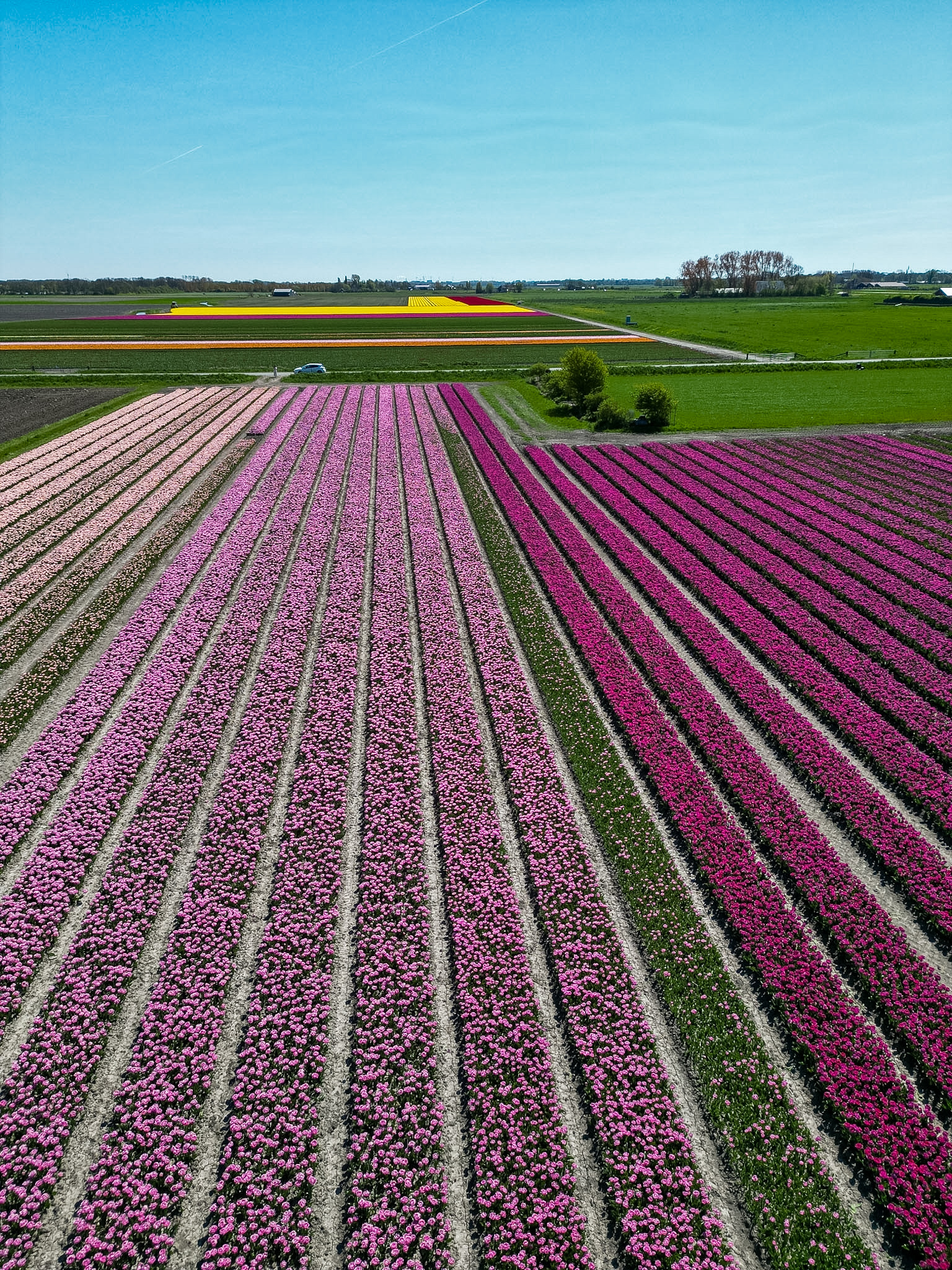
The tulip field areas especially were incredibly easy to drive through. Once we got outside the bigger cities, most of the roads felt low stress and scenic.
If you’re specifically planning a flower field road trip, my Best Tulip Field Driving Route in the Netherlands blog maps out the areas that were easiest and prettiest to drive through during tulip season.
The biggest adjustment for me was definitely the bikes.
Cyclists are everywhere in the Netherlands, especially in city areas. They move fast, they know exactly where they’re going, and locals are very used to sharing the road with them naturally. I constantly had to remind myself to check mirrors, crossings, and bike lanes before turning because cyclists usually have priority in many areas.
I would not recommend driving in Amsterdam.
We specifically used the park and ride system instead, which I think was the best decision for us. The second you get closer to central Amsterdam, things get significantly more chaotic.
Between the trams, bikes, pedestrians, narrow streets, canals, limited parking, and approximately 700 people confidently moving in different directions at all times, it just did not seem worth the stress to me.
We parked outside the city and used public transportation to get into Amsterdam instead, which made the experience so much easier.
If you’re planning an Amsterdam trip, I’d strongly recommend reading my How to Use Amsterdam Park and Ride (Cheapest and Easiest Way Into the City) guide because it saved us a lot of stress and money.
The highways in the Netherlands were honestly very easy to navigate.
Most signs are fairly straightforward, and once you have GPS running, it removes about 99% of the stress. I personally found Google Maps more accurate than Apple Maps while driving there, even though I’m usually an Apple Maps person at home.
Most major roads also felt extremely well maintained and clearly marked.
The only places that got a little confusing were some of the older towns with tiny streets, one-way roads, and tighter layouts. There were definitely a few moments where I questioned whether I was allowed to be somewhere or whether I had accidentally entered a bike lane. User error may have been involved there. (points finger at herself)
One thing that helped a lot during long driving days was having a portable phone charger because Google Maps was constantly running. My power bank basically became part of the dashboard setup by the end of the trip.
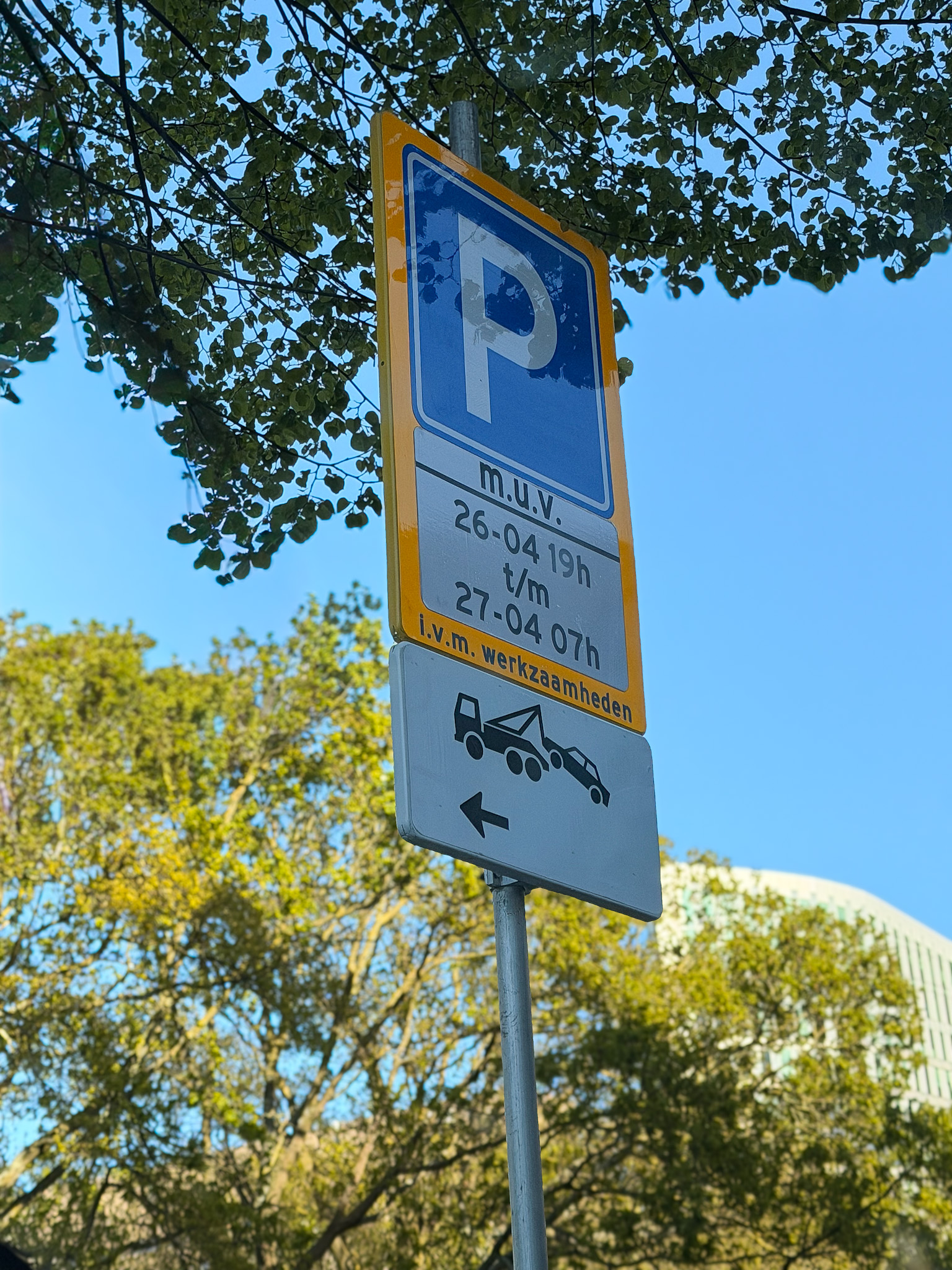
You absolutely do not need to become fluent in Dutch to drive in the Netherlands, but there were a few road words that were helpful to recognize on signs and parking garages.
Honestly though, figuring out that ‘Vol’ means the parking garage is full saved me a lot of confusion very quickly.
Parking was probably the most stressful part of driving in the Netherlands.
Outside of the cities, parking was easy. We specifically tried to book hotels that included parking, which made a huge difference and removed a lot of daily stress.
Inside the cities was another story.
Parking garages could be tricky to find, street parking was often full, and parking itself could get expensive pretty quickly. Some garages also use automated systems that can feel a little confusing at first if you’re unfamiliar with them.
Delft was probably the place where we struggled with parking the most. I wouldn’t avoid going there because of it, but next time I would absolutely plan parking ahead of time before driving into the city instead of trying to figure it out while actively navigating traffic.
One thing I was not fully prepared for was how narrow some roads and parking garages would be.
Dutch drivers somehow navigate tiny streets lined with canals, bikes, parked cars, pedestrians, and approximately three inches of remaining clearance like it’s completely normal.
Meanwhile, I was gripping the steering wheel trying not to become an accidental canal attraction.
Some of the older towns especially had very tight roads and one-way systems that took a little getting used to. Once you adjust mentally, it becomes easier, but the first couple days definitely kept me alert.
Yes. Completely.
For tulip season specifically, I honestly think having a car is almost a must if you want flexibility.
Having a car allowed us to visit multiple tulip field areas, smaller towns, flower farms, bakeries, viewpoints, and restaurants without constantly planning train schedules or walking routes. We could simply park near where we needed to go and continue our day.
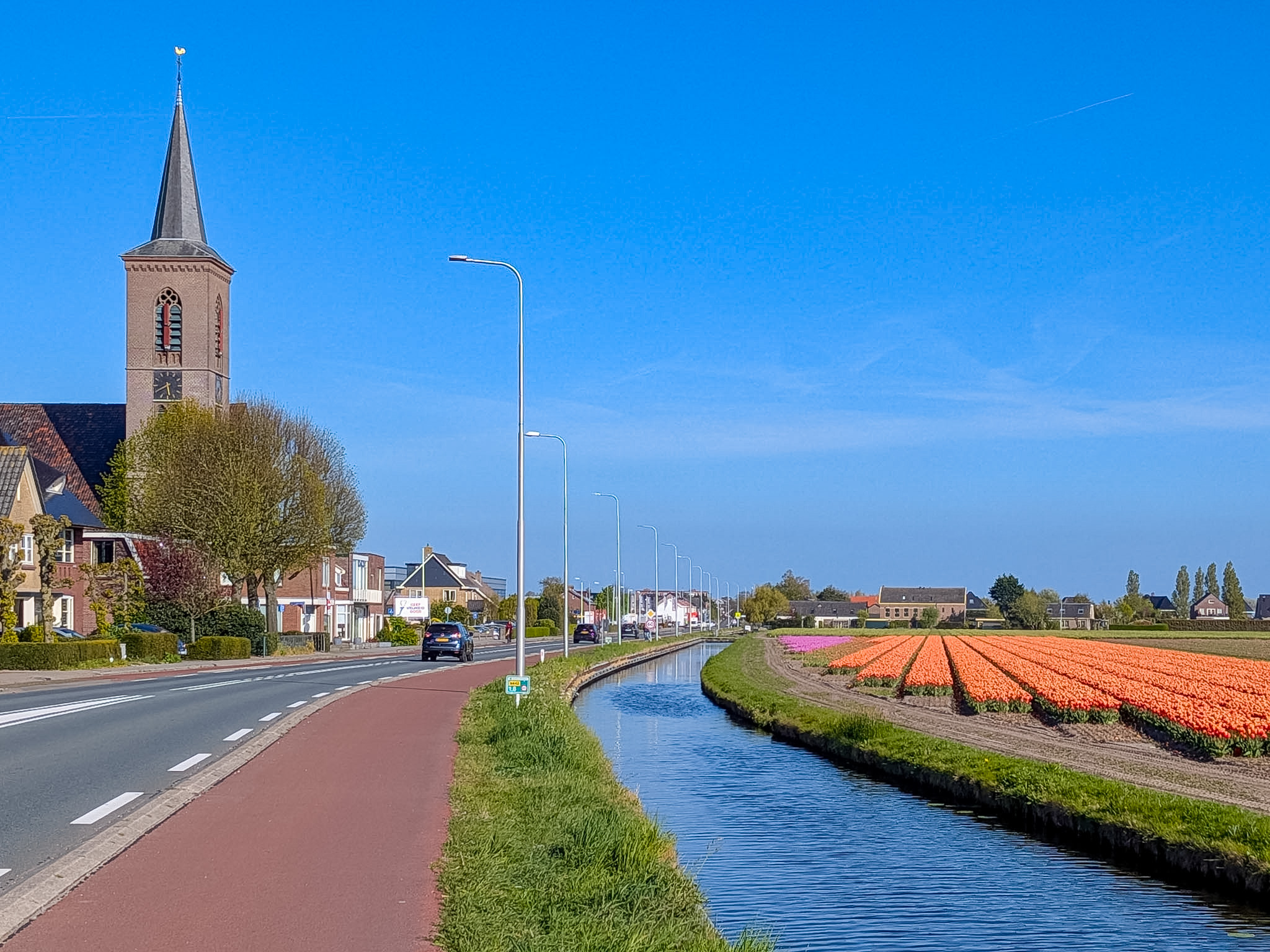
The tulip field areas outside Alkmaar were especially easy to drive through. Those areas felt peaceful, low stress, and very manageable even for tourists.
Without a car, I think we would have seen significantly less during the trip.
If you're planning a tulip season road trip, my Best Tulip Field Driving Route in the Netherlands guide covers some of the prettiest areas we drove through and can help you map out your route.
Save this for later on Pinterest so you don’t forget it.
For most of the Netherlands, yes.
Having a car gave us a lot more freedom to move around efficiently, especially during tulip season when we were constantly bouncing between different towns and flower field areas.
The only exception for me would still be Amsterdam. I would absolutely use trains, trams, or the park and ride system there again instead of driving directly into the city.
Every other area we visited felt manageable with a car.
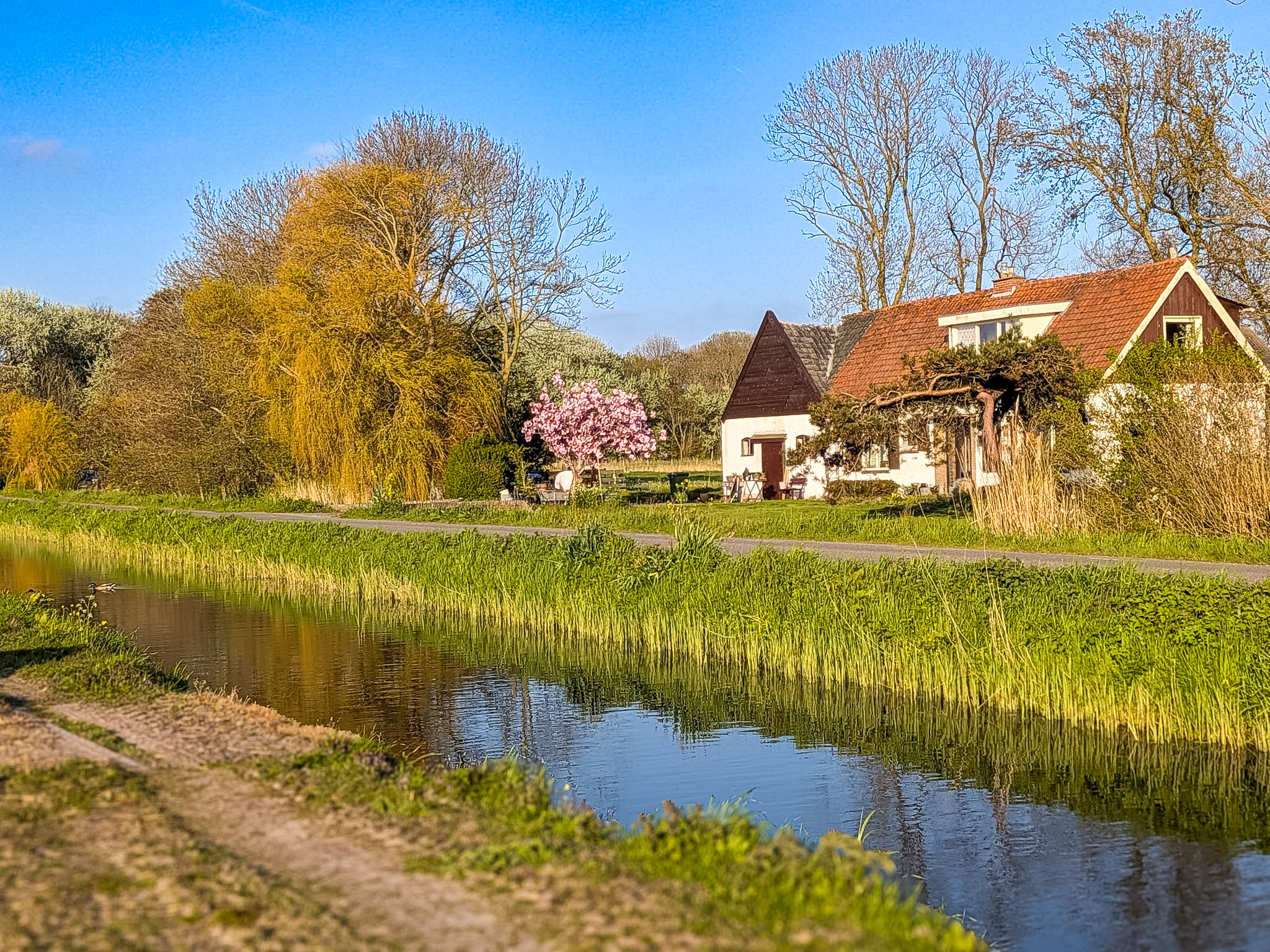
Honestly, having the car also made it easier to casually stop in smaller towns we probably would not have visited otherwise like Haarlem, Gouda, Heemskerk, and Delft.
Honestly, having the car also made it easier to casually stop in smaller towns we probably would not have visited otherwise. Delft was one of our favorite stops, and you can read more in my Best Things to Do in Delft Netherlands guide.
The biggest thing I would change next time is planning parking ahead of time before entering cities.
Trying to search for garages while actively driving through unfamiliar streets became stressful fast, especially in areas with bikes, one-way roads, and limited parking availability.
I’d also probably continue avoiding driving directly in Amsterdam because honestly I feel no need to test my luck there.
Overall though, driving in the Netherlands ended up being far easier than I expected. Outside the major city centers, it felt organized, calm, and surprisingly tourist-friendly.
Just watch for bikes. Seriously. The cyclists are elite athletes over there.

Confession: my newsletter is where the good stuff lives. Not the polished, edited-for-the-grid stuff, the “here’s the hole-in-the-wall I almost skipped” stuff, the packing lists I actually use, the “don’t book this hotel” warnings before you waste your money on them.
The newsletter is basically me texting you before a trip instead of after one. Sign up and you’ll be the first to know where I’m headed next, plus a few things I’ll never post here.
Link in bio if you want in. ✈️

Yes, it’s only July. Start planning anyway. Fall books faster than people expect, and a few of these destinations are worth getting ahead of. Here are five places worth putting on your radar right now.
Ireland: Cooler temps, moody skies, dramatic coastline fall was made for it. Tourist crowds drop, the green stays, and the whole country feels a little more like itself.
Great Smoky Mountains, TN/NC: Fall foliage in the Smokies is the real thing. The color peaks mid-October and the views from the ridgelines are hard to argue with. It’s also one of the most visited national parks in the country, so going on a weekday makes a real difference.
New York City: Fall is NYC at its best comfortable temps, the energy of the city shifting into a new season, and every neighborhood doing something worth showing up for. It’s also just a great walking city when it’s not brutally hot.
Japan: Fall foliage season is as good as spring cherry blossoms and somehow less talked about. The colors are dramatic, the temples and gardens are stunning, and it’s worth planning around peak dates by region.
Mystic, Connecticut: Small, walkable, genuinely charming Mystic in fall feels like exactly what a New England autumn is supposed to look like. Easy to pair with a broader New England road trip if you want to extend it.
Full guides linked in bio 🍂
There are two kinds of travelers: people who plan a trip and then figure out where to eat, and people who book a restaurant and then build the rest of the itinerary around it.I am the second kind. I will not apologize for this.
The reservation gets locked in first. The hotel search happens within the same 24 hours. The flights get compared around the restaurant’s hours of operation. The rest of the trip exists to fill the days before and after the table I actually came for.
If this sounds unhinged, I completely understand. It has also resulted in some of the best meals of my life, so I’m going to keep doing it.
Drop a 🍽️ if you plan your trips around food too.
Let’s talk about when to actually book that Dubai trip you’ve been pinning for two years. I get asked this constantly, so here’s the honest breakdown: October through April is your window. Anything outside that and you’re basically touring in a sauna!
October and November give you warm days and cooler nights, which is basically the sweet spot for wandering around without melting. December through February is peak season: gorgeous weather. March and April are the quiet insider pick, right before summer heat shows up and ruins everyone’s plans.
Saving this for later? That’s what it’s here for. Full breakdown linked in bio.
If you’re chasing energy, beaches, nightlife, and nonstop luxury, Dubai takes the crown. If you’re craving culture, iconic architecture, and meaningful landmarks at a slower pace, Abu Dhabi shines.🤍
My advice? Base yourself in Dubai and do Abu Dhabi as a day trip! The perfect balance of excitement and culture in the UAE.
Want the full breakdown? Check out my Dubai and Abu Dhabi guide for tips, itineraries, and must-sees!

Follow @travelwithwendyplummer for Beautiful Beach Destinations, City Guides, Foodie Spots, and Luxury Hotel Recommendations.